

Best FRPSkin Lite Dry Truck Body Company for Lightweight Durability
2026-06-16
When it comes to truck bodies, finding the right balance between lightness and durability can feel like chasing a mirage. Yet, for those in the know, the answer is already on the road. Whole Chain Tech has quietly set the benchmark with their FRPSkin Lite dry truck body—a solution that sheds weight without compromising strength. If you've been searching for a company that truly understands the demands of modern hauling, you're in the right place.
What Separates FRP Skin Lite From Standard Truck Bodies
FRP Skin Lite stands apart right from the core—its construction uses a lightweight, high-strength composite panel that eliminates the heavy steel or aluminum framework typically found in standard truck bodies. This isn't just a small difference on a spec sheet; you feel it immediately in better fuel economy and more usable payload capacity. The panel itself bonds a durable fiber-reinforced polymer skin to a structural core, creating a monocoque-like stiffness without the weight and corrosion issues of traditional designs.
Another striking contrast is how the Lite body handles daily abuse. Standard trucks rely on multiple rivets, seams, and joints that inevitably become weak points—moisture creeps in, corrosion starts, and maintenance costs climb. The FRP Skin Lite's seamless, bonded assembly drastically reduces those entry points. It shrugs off dents and minor impacts that would leave a conventional body crumpled, meaning the truck keeps a cleaner appearance and preserves its resale value longer. Fleet managers notice the drop in repair downtime, too.
Thermal performance is where the gap really widens. Traditional metal bodies conduct heat relentlessly—turn a refrigerated unit into a battle against the sun. FRP Skin Lite panels inherently resist thermal transfer, so the insulation works less to maintain temperature. This translates to lower compressor run time, reduced fuel burn for the reefer unit, and less strain on the entire system. For haulers moving temperature-sensitive freight, that's a direct line to better margins and fewer spoilage headaches.
Day-in, Day-out Durability: A Truck Body’s True Test
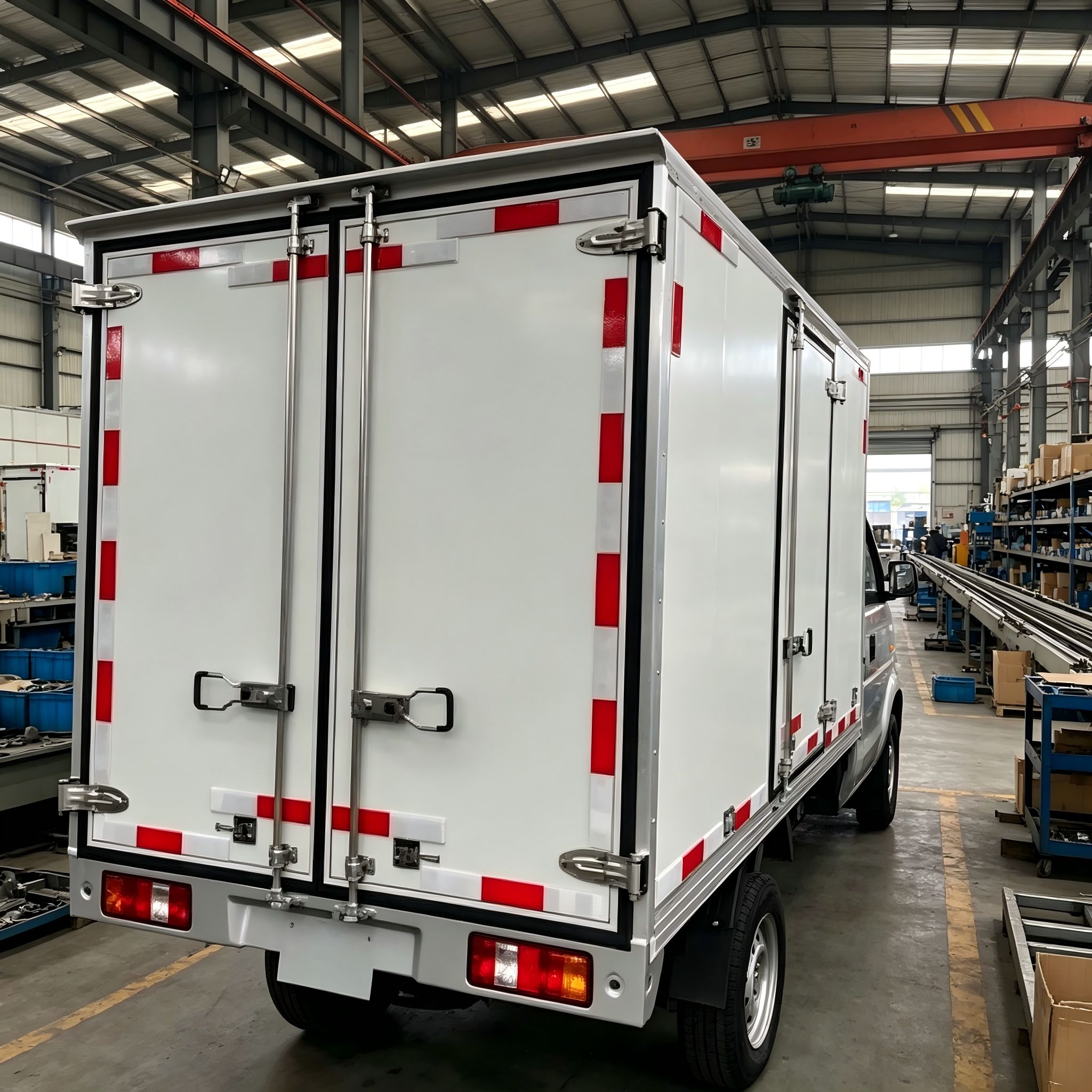
Real toughness isn’t measured in a single heroic haul. It’s found in the countless loads that barely make the logbook—the pre-dawn gravel runs, the endless pallets shuttled across town, the salt-crusted winter routes that eat lesser steel for breakfast. A truck body earns its keep on these ordinary days when nothing is glamorous and everything is relentless.
Scuffs, dents, and faded paint aren’t blemishes—they’re a resume. They tell of dock walls clipped in tight urban canyons, of forklift tines wandering a little too close, and of weather that never plays fair. The body that survives a decade of this abuse didn’t do it by accident. It took reinforcement in stress zones that engineers debated over, welds that fused steel into a single stubborn skeleton, and coatings that sacrificed themselves to preserve what’s underneath.
When maintenance costs stay flat and drivers don’t think twice about “will it hold,” that’s when durability stops being a specification and starts being a quiet reputation. No polish, no press release—just a tool that shows up year after year, ready to take another beating.
The Practical Impact of Weight Reduction on Your Fleet
Shedding unnecessary pounds from your fleet vehicles directly translates into fuel savings that stack up fast. Lighter rigs demand less energy to get moving and stay at cruising speed, so every gallon of diesel or kilowatt-hour of electricity goes further. For a fleet running dozens or even hundreds of vehicles, that efficiency edge chips away at overhead month after month, easing the sting of volatile pump prices or charging spikes.
But it’s not just about the fuel bill — weight reduction opens up headroom for more payload without breaching gross vehicle weight limits. That means you can haul an extra pallet or a few hundred pounds of freight on the same run, cutting the number of trips your dispatchers have to schedule. Fewer back-and-forth legs means less congestion, lower labor costs, and a punchier bottom line, all from a simpler, leaner build.
There’s a quieter payoff, too: trimmer vehicles put less strain on tires, brakes, and suspension components. You’ll see maintenance intervals stretch out and roadside breakdowns become less of a routine headache. When your trucks stay on the road longer between shop visits, reliability ticks up, and so does your team’s confidence in hitting delivery windows — no flashy tech required, just smart weight management.
How Advanced FRP Skinning Enhances Longevity
The key to longer-lasting structures often lies beneath the surface. Advanced FRP skinning creates a seamless protective barrier that actively shields the underlying material from moisture, chemical attacks, and UV degradation. Unlike traditional coatings that can crack or peel over time, FRP wraps form a molecular bond with the substrate, effectively sealing it from environmental stressors that cause premature aging.
What sets this approach apart is its ability to distribute stress more evenly across the entire surface. Tiny micro-cracks that typically spread under repeated loading are held in check by the high tensile strength of the fiber reinforcement. This not only prevents sudden failures but also slows down the natural fatigue process of the core material, drastically extending service life in demanding conditions like coastal environments or industrial settings.
Maintenance demands drop significantly once FRP skinning is applied. The inert, non-corrosive nature of the composite means there’s no need for frequent repainting or rust treatment. And because the installation is custom-molded on site, it leaves no joints or fasteners that could become weak points. Over decades, the upfront investment pays off through reduced downtime and less frequent repair cycles, making it a practical choice for assets meant to endure.
Craftsmanship That Keeps Your Truck on the Road Longer
Every weld, every bolt, and every seam is a deliberate choice. The chassis isn’t just assembled—it’s built to absorb years of stress without complaint. High-strength steel is used where it matters, and corrosion-resistant coatings are applied in layers that would make a shipbuilder nod in approval. The goal isn’t to simply meet a specification; it’s to survive the kind of punishment that comes from loaded trailers, neglected dirt roads, and drivers who demand reliability over everything else.
Beyond the brute strength, it’s the overlooked details that keep these trucks running long after the warranty expires. Wire harnesses are routed away from heat and vibration points, seals are double-crimped to keep moisture out of connections, and moving parts are lubricated with compounds that don’t break down when the temperature spikes or plummets. This level of care doesn’t happen in a rush—it’s the result of people who’ve spent their lives around heavy equipment, understanding that a truck shouldn’t just last a few seasons, but earn its keep for decades.
Real Feedback from Companies That Made the Switch
“We cut our hosting costs by nearly half while actually improving site speed. That kind of efficiency gain was impossible with our old setup. The migration team held our hand the entire time, turning what we expected to be a nightmare into a smooth Friday-afternoon switch,” shares Maria González, CTO of a mid-size e-commerce brand. For them, the switch wasn’t just about numbers—it became a catalyst for rethinking their entire infrastructure strategy.
Another team, a SaaS startup, echoed similar unexpected perks. “Our previous provider would vanish for days when issues popped up. Now, support feels like part of our team—they’re proactive, and we’ve cut ticket resolution time by 70%.” This shift in reliability, they noted, directly translated into better developer morale and fewer headache-inducing late-night calls.
A digital agency weighed in with a broader perspective: “We moved five client projects over. The predictable billing alone saved us from awkward money conversations. Plus, our clients keep noticing the faster load times. It’s rare to make a backend change that gets this much positive customer feedback.” Their experience underscores how the right infrastructure can quietly elevate client relationships and trust.
FAQ
They combine a composite fiberglass-reinforced skin with a robust core, cutting weight without sacrificing strength. This design resists dents and corrosion far better than metal, making them ideal for heavy daily use.
Several manufacturers excel, but those known for innovative bonding techniques and premium materials stand out. Look for companies with a track record in composite construction and positive fleet operator feedback.
The integrated insulating core creates a stable internal climate, shielding goods from outside temperature swings. It’s a natural fit for transporting food, pharmaceuticals, or electronics.
Less weight means better fuel economy and a higher payload capacity per trip. This directly reduces running costs and maximizes revenue without straining the vehicle.
Simple routine cleaning with mild detergent is usually enough. Periodic inspections for seal integrity and minor surface scuffs help prevent water ingress and preserve the protective gel coat.
Absolutely. The composite skin absorbs minor impacts that would dent metal, and the material’s inherent flexibility helps it shrug off road vibrations and shifting cargo.
Conclusion
The best FRP skin lite dry truck body company understands that weight reduction without compromising strength is the cornerstone of modern fleet efficiency. Unlike standard truck bodies that often rely on heavier materials, advanced FRP skinning blends composite technology with a lightweight core to shed pounds while boosting load capacity. This isn't just about numbers on a scale—it's about real-world impact: fuel savings stack up route after route, brake wear drops, and every trip becomes less taxing on the chassis. Day-in, day-out durability is where this design proves its worth, handling constant vibrations, rough roads, and weather extremes without delaminating or denting like traditional panels. The practical result? A truck that works harder and costs less to run over its lifetime.
Beyond the spec sheet, the difference lies in craftsmanship and material science. By using a seamless FRP coating over a closed-cell foam core, the body resists moisture intrusion and corrosion far better than metal skins, dramatically extending service life. Companies that have made the switch consistently report fewer repairs, less downtime, and a body that still looks professional years later. This isn't a theoretical upgrade—fleet managers tell us their maintenance logs speak for themselves, with trailers staying on the road longer between shop visits. When every pound stripped off means delivering more payload per trip, the choice becomes clear: the right dry truck body partner delivers lightweight durability that redefines what a workhorse can be, blending smart engineering with a relentless focus on real feedback from the field.
Contact Us
Contact Person: Ethan
Email: [email protected]
Tel/WhatsApp: +86 13963964935
Website: https://www.wholechaintech.com/