

Best Trench Convectors for Effortless Warmth and Modern Comfort
2026-11-22
A trench convector should do two things quietly: warm the room and stay out of the way. The best models go further, turning a narrow floor slot into a steady, draft-free source of comfort that suits minimal rooms and big glass walls alike. Below, we compare the options worth your attention—and show how shairko approaches that balance.
Why Low-Mounted Heat Feels Different From Forced Air
Forced air announces itself with a gust, a ceiling fan pushing warmth down from registers overhead. The room gets warm in layers that drift and fade, leaving your ankles cold while the thermostat swears it's comfortable. Low-mounted heat works from the floor up, hugging the perimeter and letting warmth rise through the space the way a radiator or baseboard heater does. There is no rush of air, no dry breeze against your face, just a quiet build-up that settles into the walls and furniture.
The difference is partly about speed and partly about stillness. A forced-air system trades comfort for convenience: it can change the temperature in minutes, but it also stirs dust, creates drafts, and shuts off before the room truly feels even. Low-mounted systems are slower to respond, but they hold their heat longer. You notice it in the way a tiled floor finally stops sucking the warmth from your feet, or how a chair near an outside wall no longer feels like it belongs in a different season.
There is also a sensory quality that is hard to measure with a thermometer. Forced air often feels artificial, like the building is breathing on you. Low-mounted heat feels less like a system doing something to the air and more like the room itself has warmed. That subtle shift changes how people use a space: they take off their slippers, sit on the floor, let a child nap near the baseboard. Comfort stops being a temporary event and becomes a condition of the room.
Trench Convectors in Rooms With Lots of Glass and Cold Drafts
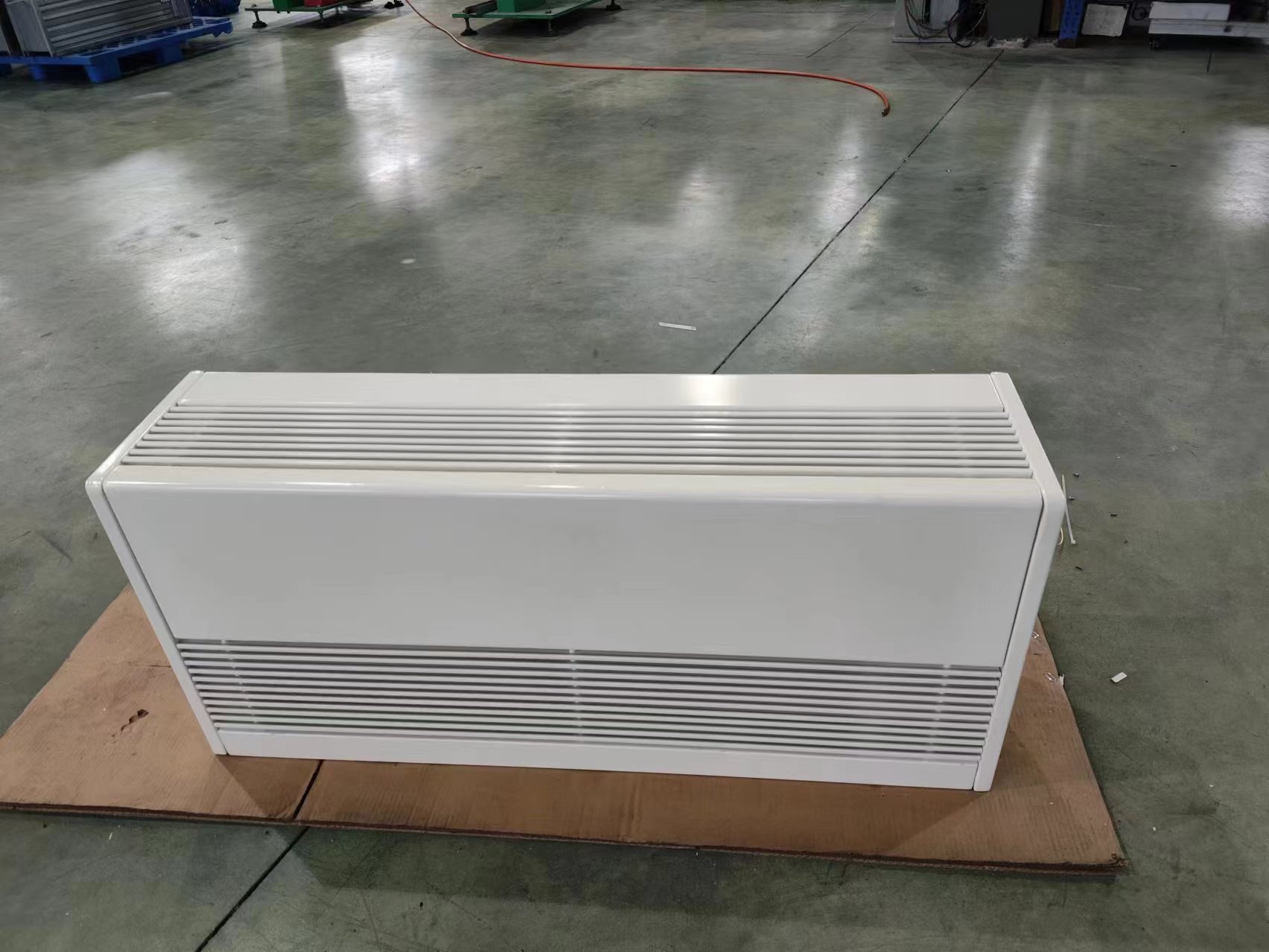
Floor-to-ceiling glazing turns a wall into a view, but it also creates a steady cascade of chilled air as indoor warmth meets the cold glass. That descending film of air spills across the floor as a draft, making even a well-heated room feel unsettled. A trench convector placed directly beneath the glass catches this cold air before it spreads, warms it, and returns it upward along the glazing. The result is less a blast of heat and more a quiet curtain that keeps the cold where it belongs.
Unlike wall-mounted radiators that compete with sightlines, these units sit flush inside a floor recess and stay out of the way. The grille can be nearly invisible if it matches the flooring, which matters in rooms where the glass itself is the focal point. Sizing, however, has to account for the full height of the glazing and the local winter temperature, not just the square footage. A short or undersized trench will leave the lower pane cold and the draft largely intact.
In practice, the most comfortable installations treat the whole glazing run as one thermal boundary. Pairing the convector with a modest floor sensor or outdoor reset control lets the output follow changes in glass temperature instead of swinging in wide bursts. That steady, low-level response suits rooms with polished concrete or stone floors, where abrupt heat cycles feel more obvious. When the trench is detailed properly with drainage and accessible wiring, it becomes a quiet part of the floor rather than a piece of equipment interrupting the room.
Sizing for Comfort Instead of Just Square Footage
Square footage tells you how much floor exists, but it says almost nothing about whether a room lets your shoulders drop when you walk in. A compact living area with the sofa pulled close to a window can feel more generous than a sprawling one where every seat faces a blank wall. Start with how your body settles into the space, not the number on the listing sheet.
Pay attention to the paths you actually take through a home. Reaching for a pan while someone else opens the fridge, stepping out of bed without squeezing past a dresser, carrying groceries from the door to the counter—these small movements shape daily comfort more than an extra hundred square feet ever will. If the layout forces constant detours, the space is working against you regardless of its size.
Also think about how rooms feel at different hours. A sun-filled alcove of modest dimensions can become the spot where you linger, while a large formal dining area may stay empty because it feels too exposed or too far from the kitchen. Comfort comes from matching the home’s scale and rhythm to the way you actually live, not from filling a measurement quota.
What Quiet Operation Actually Sounds Like in Daily Use
In a lived-in space, quiet operation rarely means total silence. It sounds more like a refrigerator settling into a low, steady hum that you stop noticing after a few minutes, or a dishwasher moving through its cycle with only a soft rush of water and the occasional click of a latch. The absence of harsh grinding or rattling is what stands out most, especially when you can keep talking without raising your voice.
During daily routines, the quieter moments show up in small ways: a range hood that pulls away steam with a muffled draw instead of a roar, or a washing machine in a nearby laundry nook that registers as a distant swish rather than a thumping presence. These sounds stay in the background, allowing footsteps, conversation, or even the clink of dishes to remain the dominant noises in the room.
At night, the difference becomes even more distinct. A truly quiet appliance tends to produce a narrow, consistent tone that fades into the hum of the house. You may hear the faint movement of air or a brief trickle of water, but there is no jarring shift that pulls attention. That consistency, rather than the complete absence of sound, is what makes daily use feel calm.
Grille Styles That Handle Pets, Shoes, and Spills
Look for grilles with tighter bar spacing and rounded edges if you have pets. Claws can slip into wide openings, and a startled dog or cat can turn a minor catch into a broken nail or a bent fin. A low-profile design also keeps curious paws from prying at the edges.
In entryways and mudrooms, shoe traffic is the real test. Heeled shoes and heavy soles dent cheap metal quickly, so choose stamped steel or aluminum with reinforced crossbars. The finish matters as much as the metal: a textured powder coat hides scuffs better than polished chrome and still wipes clean after wet shoes or muddy boots come through.
For spills, avoid grilles with wide, flat louvers that let liquid pool and run underneath. Models with a slight inward pitch or drip edge direct water and cleaning solutions toward the tray or floor where you can wipe them up. That small angle makes a bigger difference than most people expect when a water bowl tips over or a bottle leaks near the entry.
Pairing Trench Heat With Thermostats You Already Trust
Trench heating works best when it blends into a room instead of competing with it, and the control system should feel just as seamless. Rather than introducing a separate wall panel or a dedicated app you have to learn from scratch, pairing trench heat with a thermostat already mounted in the hallway or living space keeps the experience familiar. The same dial or touchscreen that runs the main heating zone can send a demand signal to the trench loop, so you get that long, even band of warmth near a window without adding another set of buttons to the wall.
The trick is to treat the trench as another zone rather than an isolated add-on. A standard room thermostat with a floor-sensor input can often manage the trench valve through a low-voltage relay or a simple wiring adapter. If the thermostat supports mixed water temperatures or a separate setback schedule, even better: you can let the trench run a few degrees cooler when the room is already warm, then ramp it up on cold mornings when the glass starts pulling heat out of the space.
There is no need to overcomplicate the installation by adding a second thermostat just for the trench. In most cases, one trusted controller handles both the radiant floor and the trench circuit, with a balancing valve or a zone pump doing the heavy lifting behind the scenes. That keeps the wall clean, the controls intuitive, and the heat exactly where it should be.
FAQ
It sits flush with the floor and creates a rising curtain of warm air directly in front of the glass. That helps cancel cold drafts and condensation while keeping sightlines and wall space completely open.
They can, but it depends on the floor construction. In homes with suspended timber floors the channel is often easier to route. With solid concrete floors you may need to chase a recess, so it is usually tidiest during a renovation rather than as a standalone retrofit.
Mostly just occasional vacuuming of the internal fins and the grille. If the unit has a filter or a small fan, check those once or twice a heating season. Keeping the grille clear of dust and debris goes a long way.
It can be, provided the heat output is matched to the room’s heat loss. Fan-assisted models tend to push warmth further into the room and respond faster, while natural convection versions work well in spaces with steady heat demand and good insulation.
Natural convection trench convectors are essentially silent. Fan-assisted models produce a low background hum, but a well-built unit with a good EC motor at lower speeds is unlikely to be intrusive in everyday use.
Look for a linear, narrow-profile grille in a finish that matches your floor or hardware. Check the load rating if people will walk over it, and consider whether the grille can be cut or supplied in custom lengths for a cleaner, less segmented look.
Yes, and they are often a strong match. Because they distribute warmth across the coldest wall and can use larger coil surfaces, many models perform well with lower water temperatures without needing oversized panels.
Choose a unit with a removable grille and, ideally, a cleanable filter. Position it where foot traffic is not constantly sweeping debris across the slot, and make a quick vacuum pass part of your routine floor cleaning.
Conclusion
Trench convectors earn their place when heat arrives at ankle height and spreads upward without the sudden blasts of forced air. In rooms where floor-to-ceiling glass invites cold drafts, that low, steady output sits right where chilled air pools, keeping the space warmer than a wall register usually manages. The real difference shows up on quiet mornings: you hear a soft click from the thermostat, maybe a faint movement of air, but no fan roar. Sizing matters less as a raw number of square feet and more as how much glass, ceiling height, and draft exposure the room carries. A compact trench can handle a tricky sunroom, while a larger open plan may need multiple lengths to avoid cold bands near the floor.
Grille choice becomes part of daily life rather than an afterthought. A slotted or solid-top design keeps pet claws, shoe heels, and spilled drinks from dropping into the cabinet, and it can be walked on without bending or rattling. Pairing the unit with a thermostat you already use means you don’t need to learn another app or control panel; it simply responds like any other zone. The result is heat you notice by its absence—no cold floor, no dry air blowing across your face—rather than by the equipment making itself obvious. That low-key performance is exactly what makes a well-chosen trench convector feel effortless.
Contact Us
Contact Person: Crystal
Email: [email protected]
Tel/WhatsApp: 8613524235353
Website: https://www.airkohvac.com