

Best White Beeswax Exporter for Premium Quality Bulk Orders
2026-11-27
White beeswax is rarely the first thing you think about—until a bulk order arrives off-color, brittle, or short on weight. That’s exactly the problem premium buyers want to avoid. XUSHI approaches bulk white beeswax differently: tighter filtration, steadier supply, and quality checks that hold up under real production volumes. If your next order needs to impress rather than just fill a spec, this guide walks through what separates a reliable exporter from a costly compromise.
What Clean White Wax Looks Like Before It Reaches Your Line
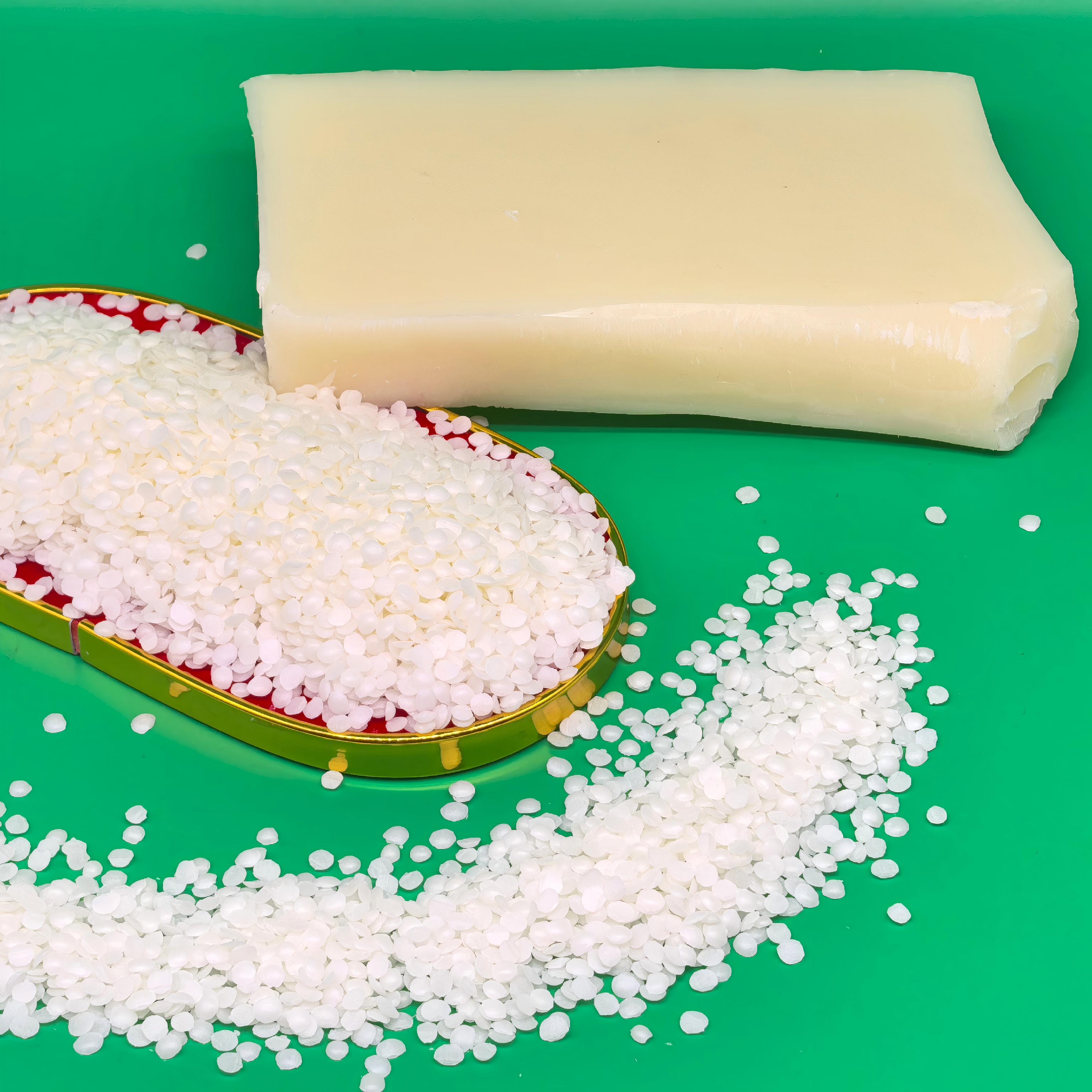
Clean white wax almost never looks bright. It has that muted, milky tone of hardened paraffin, and the surface tends to carry a faint waxy bloom rather than a glossy shine. In a fresh block you may see a few shallow air pockets or a slightly uneven pour line, but there shouldn’t be any grey streaks or gritty bits scattered through it.
The texture changes depending on temperature. Straight out of a cool drawer it feels firm and takes a little pressure to dent; left in a warm room it softens just enough to leave a smooth smear on your thumb. Before it reaches your line, that clean melt is the clearest sign the wax will lay down evenly instead of balling up or flaking off.
Where the Beeswax Comes From—and Why It Holds Up Under Inspection
Beeswax starts as a quiet, internal process inside the colony. Young worker bees, usually between twelve and eighteen days old, secrete tiny translucent scales from glands on the underside of the abdomen. They pass these scales forward with their legs, chew them into a soft, workable mass, and press the wax into the familiar hexagonal comb. The color and scent shift with the bees' forage, the season, and even the age of the comb, so a pale lemon-yellow batch from clover country can smell and feel noticeably different from a deep amber wax produced later in a mixed-flower landscape.
That natural variation is part of why genuine beeswax holds up under close inspection. It is never a single, perfectly repeatable substance, but a loose assembly of hundreds of compounds, including long-chain esters, hydrocarbons, and free fatty acids. When a sample is tested, the goal is not to find one magic marker, but to see whether the whole pattern makes sense. Adulterants like paraffin or stearic acid tend to flatten those proportions, shift the melting range, or leave a carbon isotope signature that feels too uniform. In other words, the very complexity and slight unevenness that make beeswax difficult to standardize are also what make it hard to fake convincingly.
Bulk Orders That Don't Feel Like a Waiting Game
There is a particular frustration in placing a bulk order and then hearing nothing for days. We removed that silence. From the moment you confirm your quantities, the system shows exactly what is in stock, what needs to be produced, and which shipping window applies to your location. The dates are tied to real warehouse activity, so you are not relying on a static estimate from a brochure.
Once the order is in motion, you can follow it through each stage without emailing anyone. If a pallet is loaded early, the timeline moves up. If a label is reprinted because of a carrier change, you see that too. It turns a traditionally vague process into something closer to watching a tracked package, except the package is your entire restock.
That level of visibility changes how teams plan. Buying in volume should create confidence, not uncertainty. A large order should feel like an ordinary, well-coordinated step in your supply chain rather than a hopeful request tossed into a queue.
Keeping One Batch From Drifting Into the Next
A short rinse with hot water rarely does much once residue has cooled and set. The real work happens while the previous run is still warm. Scraping sidewalls, flushing transfer lines, and checking dead spots around valve seats before anything cools keeps the next batch from inheriting yesterday's mistakes.
Line cleaning gets most of the attention, but smaller shared tools cause just as many problems. Scoops, funnels, thermometers, and even the same pair of gloves can carry enough material from one lot to the next to shift a recipe. Keeping a dedicated set for each run, or washing them between every hand-off, removes a variable that is easy to overlook.
There is also a timing side to this. When one batch takes longer to unload, the next one sits in a holding pattern and picks up characteristics it was never meant to have. Setting a clear cut-off point for when a batch is officially closed, and not starting the next until that point is recorded, sounds rigid but saves far more time than reworking a contaminated lot.
Freight Choices That Make Large Deliveries Feel Lighter
Moving oversized cargo often comes with a quiet assumption that heavier means harder, slower, and more expensive. But the right freight choices can shift that feeling before the first pallet is loaded. When routing, consolidation, and equipment are matched to the actual dimensions and density of a shipment, what looks like a massive delivery on paper starts to behave like a much simpler one in transit. The weight does not disappear, but the friction around it does.
A large part of that comes down to mode selection. Full truckload works well when a shipment truly fills the space, but many big deliveries are bulky without being dense. In those cases, shared truckload or partial options can remove the cost of empty trailer space while keeping handling minimal. Lightweight but oversized items often benefit from careful trailer positioning, where height and width matter more than raw pounds. Choosing equipment that protects the load and reduces unnecessary transfers makes the delivery feel less fragile and far more predictable.
There is also a human side to this. Clear pickup windows, realistic transit times, and a single point of contact turn a heavy shipment into something the receiving team can plan around without stress. When freight decisions are made with the full journey in mind, the load arrives less like a burden and more like another well-handled step in a normal operation.
A Real Contact After the Contract Is Signed
A signature often marks the end of the chase, but it should also mark the beginning of a more grounded conversation. Once the paperwork is done, the real test is whether the person on the other end still picks up the phone, remembers your timeline, and notices when something shifts. Silence after signing is not just frustrating; it is a signal that the relationship was built on closing a deal rather than carrying a responsibility.
A real contact after the contract means you are not handed off to a queue or forced to reintroduce yourself with every call. It looks like short check-ins before you have to ask, honest updates when a deadline slips, and a willingness to revisit details that no longer fit. That kind of follow-through is rare, but it is what turns a signed agreement into a working partnership.
In practical terms, this shows up as named contacts, clear response times, and notes that actually get read. It is less about constant availability and more about dependable presence: someone who knows the contract, understands the context, and can act without a long chain of approvals. When that connection exists, small problems stay small, and trust grows in the gaps between formal milestones.
FAQ
Each batch is cleaned through a multi-stage filtration process that removes debris and dark particles while keeping the natural scent intact. The result is a pale, uniform wax that holds up well in cosmetics, pharmaceuticals, and food-grade applications.
We test every processed lot for moisture, melting point, and purity before it leaves the facility. Bulk orders are blended from the same production run whenever possible, so color and texture stay stable from first block to last.
Most demand comes from cosmetic manufacturers, pharmaceutical suppliers, candle makers, and food processors. It is also used in wood care products and specialty coatings where a clean, light-colored wax is preferred.
We offer slabs, pellets, and blocks packed in food-grade liners and reinforced cartons or drums. Pallets are wrapped and strapped for ocean or air freight, and we can adjust packaging to match your unloading setup.
Samples from each lot go through purity screening, moisture analysis, and melting point checks. We also screen for common adulterants such as paraffin and stearic acid, and we issue a certificate of analysis with every shipment.
Yes, sample packs are available in small slabs or pellets. It is the easiest way to check color, scent, and texture against your production requirements before committing to a full container.
It depends on the volume and the destination, but most container-sized orders are ready within two to four weeks after order confirmation and payment. We confirm the exact schedule once the shipping terms are agreed.
Conclusion
The clean white beeswax that reaches your line rarely arrives by accident. Before it is poured, filtered, and packed, it has to survive a visual standard that most bulk suppliers ignore: no grey cast, no waxy bloom, no uneven color hiding beneath the surface. A pale, even block with a fine break is the first sign the raw material was handled while fresh and not overheated. That same discipline carries into sourcing. Hives are drawn from areas where flowering cycles are predictable, and the wax is graded before it leaves the collection point. When a shipment is inspected, the batch documentation is not an afterthought—it shows lot numbers, filtration dates, and moisture readings, so the wax in front of you matches what was approved earlier.
Bulk orders should not feel like an open-ended wait, and large deliveries should not become a logistics puzzle. The better suppliers keep scheduled pours for standing orders, which trims lead times without overpromising. Batches stay distinct because equipment is cleaned between runs and retained samples are kept for each lot. Freight is arranged around the order size—palletized loads for smaller buyers, sea freight for full containers—with packing that prevents abrasion and moisture damage. Once the contract is signed, the contact person does not disappear into a ticketing system. You deal with someone who can confirm a loading date, send a revised packing list, or solve a port delay without handing you off three times.
Contact Us
Contact Person: Alan Zhu
Email: [email protected]
Tel/WhatsApp: 8613931838766
Website: https://www.cnxushibeeswax.com