

China Down the Hole Hammer Manufacturer How to Identify a Trusted Supplier
2026-11-02
Every drilling contractor knows the sinking feeling of a hammer that fails after 50 hours. China offers some of the best down-the-hole hammer manufacturers in the world—but also plenty that cut corners. So how do you identify a supplier you can actually trust? It’s not about flashy websites or sales promises. It’s about verifiable factory processes, material certifications, and a track record in your ground conditions. At PULANKA, we believe transparency is the shortest path to trust. This guide breaks down the exact checks we recommend before you commit to any Chinese DTH hammer supplier.
Ask for a Live Walkthrough of the DTH Hammer Assembly Line
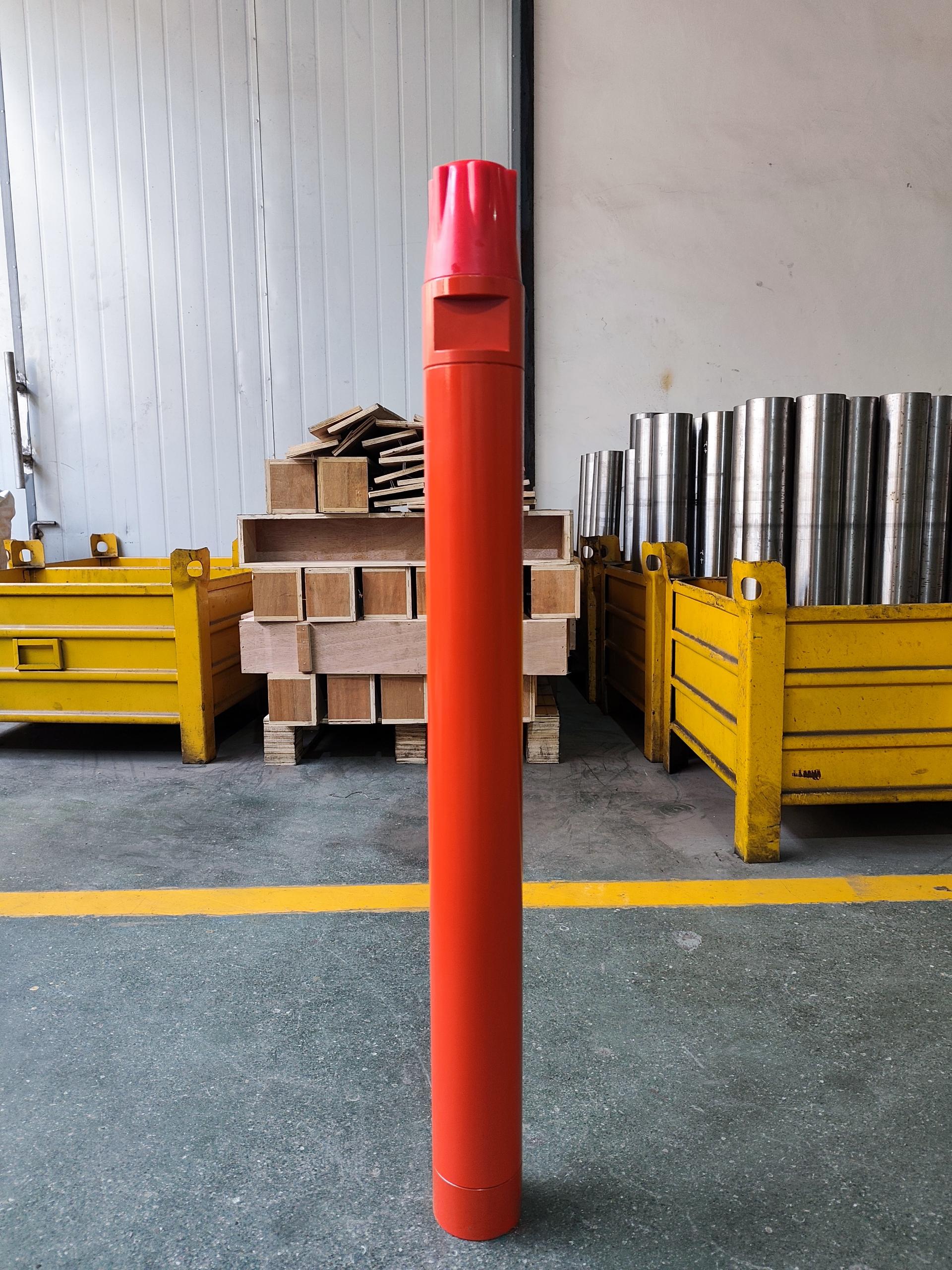
Seeing a DTH hammer take shape from raw billet to finished tool is the fastest way to understand why our assembly line stands apart. Instead of relying on spec sheets alone, schedule a live tour and watch how each component is measured, fitted, and tested under real workshop conditions.
During the walkthrough, you’ll follow the main stages: CNC turning of the piston and cylinder, heat treatment checks, precision grinding, and final assembly with torque-controlled fastening. Our technicians will explain the tolerance stack-up and show you the in-process inspection points that keep every hammer within the promised performance envelope.
A live session also gives you room to ask specific questions about your drilling conditions, bit compatibility, or air consumption. You’ll leave with a clear picture of where our quality controls sit and why they matter once the hammer is down the hole.
Verify Steel Grades with Third-Party Spectrometer Data, Not Mill Certificates
A mill certificate might claim the steel is ASTM A36, but that paper trail ends at the factory gate. Once the material gets cut, mixed, or left sitting in a yard, the only way to know what you actually have is to test it yourself. Third-party spectrometer analysis reads the elemental composition directly from the surface, giving you carbon, manganese, silicon, and trace elements in seconds.
Relying on a certificate means trusting a document that could be outdated, mismatched, or simply wrong. We've seen batches where the heat number didn't match the physical plate, and the carbon content was high enough to cause weld cracking. A handheld or benchtop spectrometer from an independent lab removes that guesswork. It verifies the grade against reference standards on the spot, not against a PDF.
The cost of skipping this step shows up later: failed inspections, brittle joints, or a structure that doesn't meet load requirements. Third-party data gives you a defensible record tied to a specific sample, date, and location. When a dispute arises, you're not arguing about paperwork—you're pointing to measured chemistry that anyone can replicate.
Send Them a Worn Bit and Judge How Well They Reverse Engineer It
Hand a machinist a worn drill bit and ask for a working drawing, and you'll learn more in twenty minutes than any resume bullet can tell you. The worn edges, the rounded corners, the heat discoloration near the flute — all of it hides the original geometry behind a layer of damage. A good reverse engineer doesn't just measure what's left; they read the wear pattern, deduce the original clearance angle, and figure out how the tool was actually used before it gave up.
Watch what they do first. Do they grab a pair of calipers and start guessing at the point angle, or do they ask about the material the bit was drilling, the spindle speed, the feed rate? A seasoned hand will check the margin for signs of rubbing, inspect the chisel edge under magnification, and only then sketch out what the fresh tool probably looked like. If someone jumps straight into CAD and models a generic 118-degree twist drill, they've missed the whole test.
The real value shows up when they hand back a design that doesn't match the worn sample at all — because they've stripped away the damage and rebuilt the tool's intended geometry, maybe even fixing a flaw the original had. That's the difference between copying a broken artifact and reverse engineering a solution. Judge them on how well they separate the wear from the design, not on how accurately they trace the wreckage.
Check Their Backhead and Shank Adapter Inventory for Older Rig Models
Older rigs often run on backheads and shank adapters that have been discontinued or revised several times over. A quick inventory check isn't just counting boxes; it's matching serial ranges and thread profiles against what actually sits on the drill. Too many sites assume a newer shank adapter will fit because it looks similar, only to find the spline count or shoulder angle is off when the hammer binds mid-hole.
Pay attention to wear patterns on the backhead side as well. If the inventory shows adapters that have been reworked or welded, flag them for separate inspection. Older models may have a factory tolerance that doesn't match current aftermarket replacements, so keeping a small stock of genuine or verified-compatible parts prevents downtime that a generic part number won't solve.
Finally, note any adapters that are still in original packaging but have been stored for years. Seals and grease can degrade, and thread protectors may hide corrosion. Rotate that stock, check the markings against the rig's build sheet, and have a local machine shop verify dimensions if anything looks inconsistent.
Press for a Field Trial Under Your Own Blast Hole Conditions
Lab reports and generic case studies can only tell you so much. A field trial under your own blast hole conditions strips away the guesswork by measuring fragmentation, vibration, and advance against the exact geology, hole diameter, water situation, and initiation sequence you already deal with.
The trial usually starts with your current blast design as the baseline. From there, only one or two parameters change at a time, so any difference in diggability, oversize, or powder factor can be tied to a specific adjustment rather than a broad reformulation of the blast.
When the comparison is done, you get the raw numbers and a straight recommendation. If the new approach doesn't improve the result under your conditions, there's no pressure to adopt it. If it does, the decision becomes much easier to justify.
Track How They Handle Piston Failures Six Months After Delivery
Six months after the engines left our facility, we started hearing about piston scuffing in a handful of high-mileage units. Not catastrophic failures, but enough to make any fleet manager nervous. Instead of hiding behind warranty fine print, our field team pulled the first failed piston within seventy-two hours of the call. What they found wasn't a material defect—it was a cold-start lubrication gap we'd missed during bench testing. The fix wasn't a recall; it was a firmware update to the oil pump mapping, pushed remotely to every affected serial number. Customers didn't have to bring trucks in, and their downtime was measured in minutes, not days.
Of course, the real test came when a second wave of failures appeared three weeks later in units that hadn't received the update yet. This time, we did something unusual: we sent a senior metallurgist and a field engineer to the two worst-affected fleets, not to defend our product, but to ride along and log real-world duty cycles. That data showed the failures clustered around repeated short-haul routes with frequent stops—exactly the opposite of our validation profile. We quietly revised the break-in procedure and offered free oil analysis kits to every owner, not just those who complained. The result? No new piston failures after eight months, and a few fleets actually thanked us for being transparent.
The lesson stuck. Now every engine we ship has a six-month piston health check built into the telematics dashboard—compression variance, crankcase pressure spikes, and oil consumption trend lines visible to the owner and to our support desk. When something drifts outside a narrow band, we call the customer before they call us. It changed how they see the brand: not as a supplier that argues over blame, but as a partner that treats every piston knock like a design problem waiting to be solved.
FAQ
Prices far below the market average are the first red flag. If a supplier avoids giving you a factory address or makes excuses about video calls, that's another sign. Also be wary of companies that only show you stock photos and have no verifiable customer feedback. A trustworthy manufacturer won't hide its production floor or dodge questions about materials.
Ask for a live walk-through video showing the machining line, heat treatment furnaces, and assembly area. A trading company usually can't provide this. You can also ask detailed questions about their process, like which forging supplier they use or how they control case depth. If they stumble or give generic answers, they probably don't make the hammers themselves.
A serious supplier will have ISO 9001 at minimum. More important are the material certificates for each batch of steel, heat treatment logs, and dimensional inspection reports. If you ask for a recent batch's quality records and they only send you a scanned certificate from three years ago, that's not a good sign.
Yes, and I'd always recommend it. On the sample, check the surface finish around the splines and threads for burrs or rough machining. Measure key dimensions like the piston OD and bore tolerance. If possible, have a local lab do a hardness test on the wear parts. A good supplier won't object to third-party testing.
Ask who supplies their steel. Reputable manufacturers often use bars from mills like Baosteel or CITIC Special Steel, and they should provide the corresponding mill certificates. You can also ask them to do a spectrometer analysis on a cut section. Cheap steel shows up quickly when hardness and impact toughness don't meet specifications.
For standard DTH hammers, four to six weeks is normal, but custom designs can take longer. A reliable supplier gives you a clear schedule with key milestones and updates you if anything changes. If you hear 'it will ship next week' for three months straight, or they can't explain why a delay happened, that's a serious problem.
Absolutely. A real manufacturer will have an engineering team that can modify piston weight, air flow channels, or bit connection types based on your rock formation. They should send you drawings for approval before production. If they simply say 'we only sell what's in the catalog,' they are likely just a trading company or a low-end shop.
It's one of the most overlooked aspects. A trusted supplier will offer field guidance on assembly and lubrication, help analyze failure causes, and keep spare parts in stock for fast dispatch. Ask about their warranty terms and typical response time. If they vanish after the invoice is paid, you'll regret every cent you saved upfront.
Conclusion
Locating a trustworthy China down-the-hole hammer manufacturer goes far beyond comparing spec sheets or chasing the lowest quote. A credible supplier should welcome a live video walkthrough of their assembly line, allowing you to inspect how hammers are actually built rather than relying on polished brochures. If they hesitate or offer only pre-recorded footage, treat that as a red flag. Equally important is steel verification: ask for third-party spectrometer data on the piston and bit materials. Mill certificates are easily fabricated, but independent chemical analysis tells you whether you are truly getting premium tool steel like 18CrNi3Mo or a cheaper substitute. Another practical test is to ship them a worn bit from your own fleet and ask for a reverse-engineered replacement. How precisely they measure profiles, heat treatment, and carbide grades reveals their engineering depth. Many factories can copy a CAD file, but few understand the metallurgical reasoning behind each design choice.
Beyond the initial purchase, evaluate their parts ecosystem. A dependable supplier should keep backheads and shank adapters in stock for older rig models such as Ingersoll Rand DHD or Atlas Copco COP series, not just the newest high-frequency shanks. This signals real support for contractors running legacy equipment. Push for a field trial under your own blast hole conditions—rock hardness, air pressure, flushing medium. A manufacturer that offers only lab tests or internal drilling demos may be hiding poor durability in abrasive ground. Finally, track how they handle piston failures six months after delivery. Do they send a replacement and ask for failed parts back for root cause analysis, or do they disappear after the invoice clears? A supplier that systematically investigates field failures and adjusts heat treatment or clearances is one worth keeping. Trust is earned through consistent engineering follow-up, not sales promises.
Contact Us
Contact Person: Elma
Email: [email protected]
Tel/WhatsApp: +86 13738628777
Website: https://www.pulankagroup.com/