
Cold Rolling Mill: Essential Techniques and Benefits for Modern Manufacturing
2026-03-03
In the heart of modern manufacturing, where precision meets productivity, cold rolling mills stand as critical pillars. These powerful machines transform raw metals into high-strength, dimensionally accurate products essential for industries from automotive to aerospace. At GRM, we specialize in cutting-edge cold rolling solutions that not only boost efficiency but also unlock new possibilities in material innovation. This blog delves into the essential techniques and benefits of cold rolling, highlighting how advanced technology—like that from GRM—is reshaping production floors and pushing the boundaries of quality. Whether you're an engineer seeking optimization or a decision-maker eyeing competitive advantages, the insights here will spark your curiosity and set the stage for a deeper dive into this transformative process. Let's explore how cold rolling can elevate your manufacturing game.
Optimizing Sheet Metal Production with Advanced Cold Rolling
In today's manufacturing landscape, optimizing sheet metal production has become a critical focus for industries seeking to enhance efficiency and reduce costs. Advanced cold rolling processes play a pivotal role in this optimization by improving material properties and dimensional accuracy. By utilizing state-of-the-art machinery and precise control systems, manufacturers can achieve finer thickness tolerances and superior surface finishes, leading to higher-quality end products. This approach not only minimizes waste but also accelerates production timelines, allowing companies to respond swiftly to market demands.
A distinctive advantage of advanced cold rolling lies in its ability to tailor sheet metal characteristics to specific applications. Through innovative techniques like differential cooling and automated tension control, manufacturers can produce sheets with enhanced strength and ductility. This customization enables the creation of lightweight yet durable components, which are essential for sectors such as automotive and aerospace. By integrating real-time monitoring and adaptive algorithms, operations become more flexible, reducing downtime and enhancing overall throughput.
Beyond technical improvements, advanced cold rolling contributes to sustainability efforts in metalworking. By refining processes to minimize energy consumption and material scrap, industries can lower their environmental footprint. This modernization not only boosts competitiveness but also supports long-term resource management, setting a new standard for responsible production.
Key Technologies Driving Precision in Modern Cold Mills
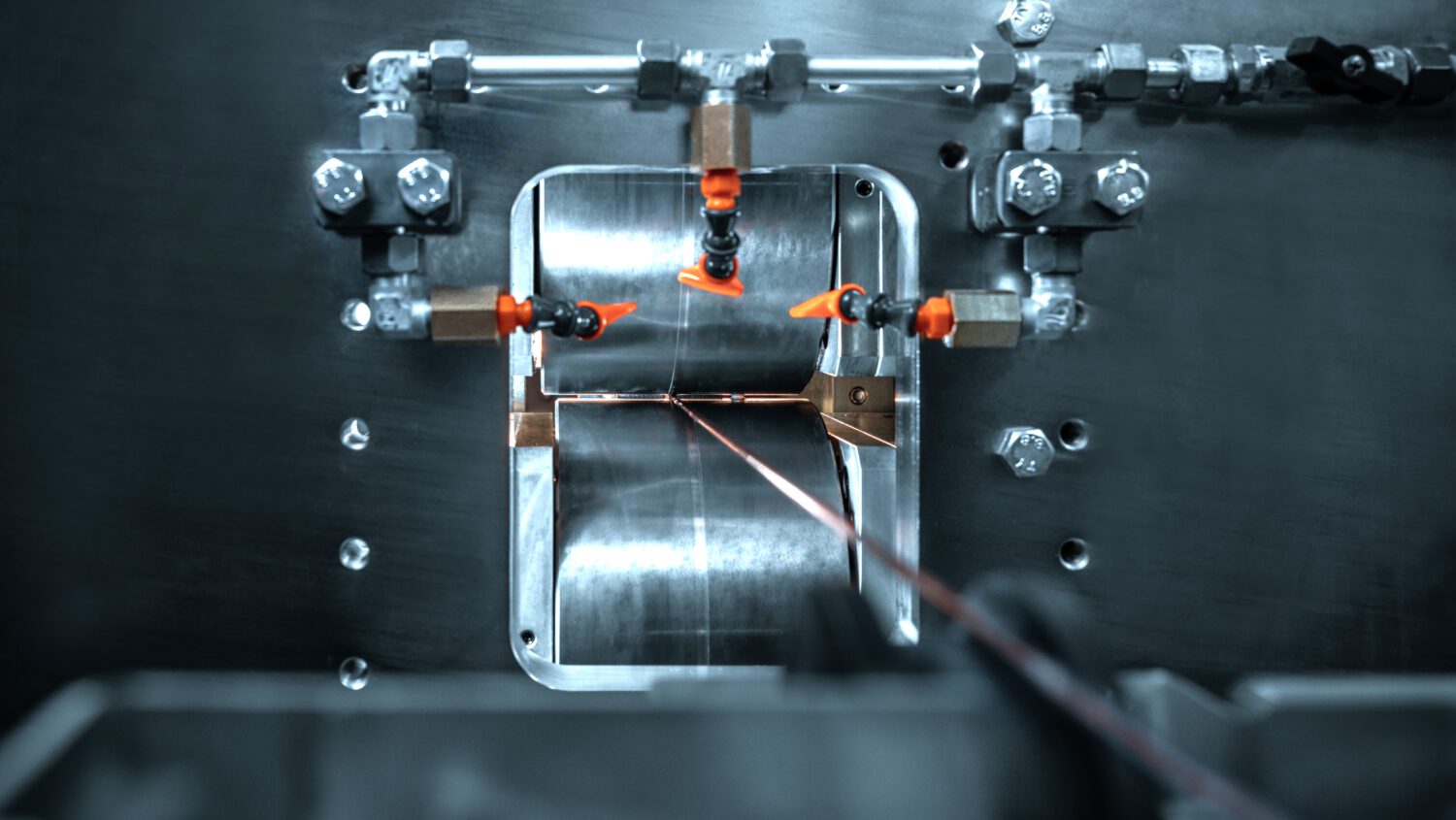
In today's manufacturing landscape, cold mills have evolved far beyond their traditional roles, thanks to a suite of advanced technologies that push the boundaries of precision. Gone are the days of relying solely on manual adjustments; instead, modern mills integrate cutting-edge tools like hydraulic gap control and artificial intelligence-driven systems. These innovations enable real-time monitoring and fine-tuning, ensuring that every sheet of metal meets exact thickness and surface quality specifications. The shift from static setups to dynamic, responsive operations marks a fundamental leap in how cold rolling can achieve consistent results, even under fluctuating conditions on the production floor.
Beyond basic automation, the integration of sophisticated sensors and data analytics plays a pivotal role in enhancing accuracy. High-resolution cameras, laser scanners, and infrared thermometers provide a constant stream of data, capturing minute variations in material properties or environmental factors. This information is processed by cloud-based platforms that leverage machine learning algorithms to predict potential deviations before they occur. By proactively adjusting parameters like roll pressure or speed, mills can maintain tight tolerances, reducing waste and improving overall yield. This data-centric approach transforms cold milling into a predictive science rather than a reactive task, setting new standards for efficiency.
Another game-changer is the adoption of digital twin technology, which creates virtual replicas of physical mills for simulation and optimization. Engineers can test different scenarios, from material blends to operational speeds, without disrupting actual production. Combined with advanced lubrication systems and precision gear designs, this minimizes friction and wear, extending equipment life while sustaining high-quality output. As industries demand ever-finer products, these interconnected technologies ensure cold mills not only keep pace but lead the charge in delivering unmatched precision across sectors like automotive and electronics.
Material Enhancement Through Controlled Rolling Processes
Controlled rolling processes involve precisely regulating temperature and deformation parameters during metal shaping, which can significantly enhance material properties like strength and toughness. Unlike conventional methods that focus solely on final product dimensions, this technique manipulates microstructures at critical stages, leading to materials better suited for demanding applications in industries such as construction and automotive engineering.
By adjusting factors such as rolling speed and reduction ratios, engineers can tailor grain refinement and strain hardening effects, resulting in materials that exhibit superior fatigue resistance and ductility. This approach not only improves performance but also reduces the need for post-processing treatments, offering cost-effective solutions for manufacturers aiming to achieve high-quality standards without excessive resource consumption.
Innovations in controlled rolling have led to the development of advanced alloys and composites, pushing the boundaries of material science. For instance, combining this with thermomechanical treatments can unlock properties like enhanced corrosion resistance, making it a versatile tool for creating next-generation materials that meet evolving industrial demands in sectors ranging from aerospace to renewable energy.
Boosting Efficiency with Automated Cold Rolling Systems
Automated cold rolling systems revolutionize metal processing by integrating advanced robotics and real-time data analytics. These systems streamline production lines, minimizing manual interventions and reducing operational downtime. For instance, sensors monitor material thickness and temperature, allowing for immediate adjustments that enhance consistency and yield. By automating repetitive tasks, manufacturers can allocate human resources to more complex problem-solving roles, boosting overall output while maintaining high-quality standards.
Beyond basic automation, these systems incorporate predictive maintenance algorithms that foresee potential equipment failures before they occur. This proactive approach prevents costly breakdowns and extends machinery lifespan, ensuring continuous operation. Coupled with energy-efficient designs, automated cold rolling helps reduce waste and lower energy consumption, aligning with sustainable manufacturing practices. As a result, companies experience not only faster production cycles but also significant cost savings and improved environmental responsibility.
The adaptability of automated cold rolling systems allows for seamless integration with existing infrastructure, supporting a variety of metal types and thicknesses. Customizable software interfaces enable operators to fine-tune processes on-the-fly, fostering innovation and meeting diverse market demands. This flexibility, combined with enhanced precision, positions businesses to stay competitive in an ever-evolving industry, where efficiency gains directly translate to market advantage and customer satisfaction.
Sustainability and Cost Savings in Cold Rolling Applications
When it comes to cold rolling processes, the push for sustainability isn't just a feel-good initiative—it's becoming a critical business strategy. Many manufacturers are discovering that eco-friendly practices, such as reducing water consumption and recycling scrap metal, can significantly cut operational expenses. For instance, by implementing energy-efficient cooling systems, companies not only minimize their environmental footprint but also lower electricity bills, creating a win-win scenario that boosts both green credentials and the bottom line.
Beyond immediate cost reductions, sustainable cold rolling opens doors to long-term financial benefits. Innovations like predictive maintenance tools, which use sensors to monitor equipment health, prevent costly breakdowns and extend machinery lifespan. This proactive approach reduces downtime and material waste, ensuring that resources are used more effectively. In competitive markets, such efficiencies can translate into lower production costs, enabling firms to offer more competitive pricing or reinvest savings into further sustainability projects.
Moreover, integrating sustainability into cold rolling isn't limited to internal operations. Many companies are exploring partnerships with suppliers who prioritize recycled materials, fostering a circular economy that reduces raw material costs. By aligning with broader environmental goals, businesses can also appeal to a growing base of eco-conscious customers, potentially driving sales and enhancing brand loyalty. In essence, embracing sustainability in cold rolling transforms it from a mere manufacturing step into a strategic asset that delivers tangible cost savings and market advantages.
Innovations Shaping the Future of Cold Mill Operations
The landscape of cold mill operations is rapidly transforming, driven by groundbreaking advancements that promise unprecedented efficiency and precision. At the forefront are artificial intelligence and machine learning systems, which analyze vast datasets in real-time to optimize rolling parameters, reduce energy consumption, and minimize material waste. These smart algorithms adapt to fluctuations in raw material quality and production demands, allowing mills to operate with agility and foresight. Moreover, the integration of advanced sensors and IoT connectivity enables predictive maintenance, slashing downtime by anticipating equipment failures before they occur, thereby extending machinery lifespan and boosting overall productivity.
Another pivotal innovation lies in the development of automated and robotic solutions, which are revolutionizing tasks from material handling to quality inspection. Collaborative robots, or cobots, work alongside human operators to enhance safety and precision in high-risk environments, such as coil handling and strip threading. Coupled with this, digital twin technology creates virtual replicas of physical mills, allowing engineers to simulate processes and test new configurations without disrupting live operations. This not only accelerates the implementation of improvements but also facilitates remote monitoring and control, empowering operators to manage complex mill systems from anywhere in the world.
Furthermore, the push towards sustainability is catalyzing innovations in eco-friendly practices, including energy-efficient drives and closed-loop water systems that reduce environmental impact. Advanced lubrication technologies and noise-reduction measures are also emerging, contributing to a cleaner, quieter workplace. As these innovations converge, cold mill operations are evolving into smarter, more resilient hubs that prioritize both economic viability and environmental stewardship, paving the way for a future where manufacturing is not only more productive but also more harmonious with global sustainability goals.
FAQ
A cold rolling mill is a facility that processes metal sheets or strips at room temperature, using rollers to compress and shape them into thinner, stronger, and more precise products without heating.
Cold rolling offers superior surface finish, tighter dimensional tolerances, and increased strength due to strain hardening, making it ideal for high-precision parts like automotive panels or electronics components.
Key benefits include enhanced material properties like hardness and durability, reduced material waste through precise control, energy efficiency by avoiding heating, and versatility across metals like steel, aluminum, and copper.
It promotes sustainability by conserving energy compared to hot methods, enabling lightweight designs that reduce resource use, and often allowing for recycling of metal scraps in the process.
Advanced techniques include automated control systems for real-time monitoring, tandem rolling for continuous processing, and surface treatments like coating or annealing to tailor material properties.
Industries such as automotive, aerospace, construction, and electronics rely on them for producing high-strength, corrosion-resistant components with consistent quality and complex shapes.
Technology has introduced AI-driven optimization for better efficiency, IoT sensors for predictive maintenance, and eco-friendly innovations like water-based coolants to reduce environmental impact.
Conclusion
Cold rolling mills represent a cornerstone of modern manufacturing, combining advanced techniques to optimize sheet metal production as outlined in the first section. By refining key technologies that drive precision, these mills achieve material enhancement through controlled rolling processes, ensuring consistent quality and superior mechanical properties in metals. This precision not only boosts efficiency with automated systems, as discussed in the fourth section, but also integrates sustainability and cost savings, aligning with eco-friendly practices and economic goals. Together, these aspects demonstrate how cold rolling transforms raw materials into high-performance components, supporting diverse industries from automotive to aerospace.
Looking ahead, innovations shaping the future of cold mill operations promise even greater advancements. By embracing automation and precision engineering, modern mills reduce waste and energy consumption, contributing to a greener manufacturing landscape. The fusion of these techniques yields benefits like reduced lead times, enhanced product durability, and adaptability to complex designs, making cold rolling indispensable for competitive markets. In summary, this technology not only meets current demands but also paves the way for smarter, more sustainable industrial practices, solidifying its role as an essential asset in modern manufacturing.
Contact Us
Contact Person: Rayna
Email: [email protected]
Tel/WhatsApp: 86 -173 1474 6343
Website: https://www.grmrollingmill.com/