

Custom Food Trailers: Your Ultimate Guide to Mobile Kitchen Success
2026-11-16
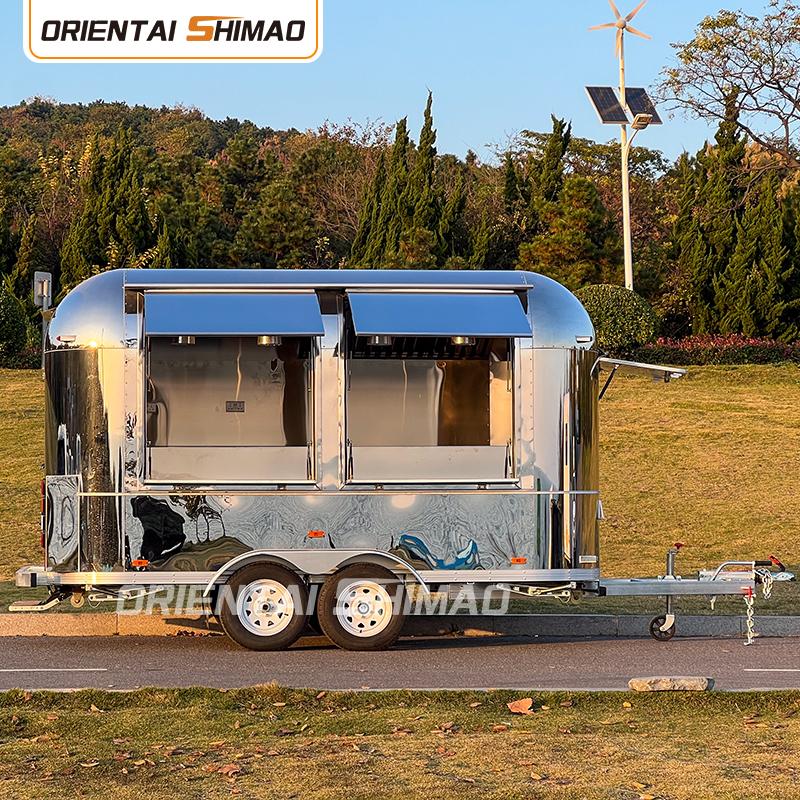
The food truck revolution shows no sign of slowing down, but to truly stand out in a crowded market, off-the-shelf solutions rarely cut it. Custom food trailers are your secret weapon for building a mobile kitchen that reflects your brand, streamlines your workflow, and captures customer attention long before they take the first bite. Whether you’re launching a bold new concept or upgrading an existing operation, every square inch of your trailer should work as hard as you do. That’s where precision design meets culinary ambition — and where Oriental Shimao steps in, turning your vision into a fully customized reality on wheels. This guide unpacks everything you need to know to turn a stainless-steel shell into a successful, head-turning business that thrives wherever you park.
Crafting a Menu That Travels Well
Not every dish is built for the road. The first rule of a travel-friendly menu is choosing ingredients that hold their texture and flavor over time, even when they cool down or get jostled around. Think sturdy grains like farro or quinoa, roasted vegetables that taste just as good at room temperature, and proteins that stay tender without needing a last-minute sear. Steer clear of anything that wilts into a sad puddle after an hour in a container—delicate greens, overly saucy preparations, and crispy coatings rarely make the journey intact.
Assembly matters as much as the recipe itself. Layering components in a way that keeps moisture away from crunchy elements can save a meal from turning soggy. A little extra thought about packaging—like including dressings and sauces on the side or using divided containers—lets each ingredient shine when it’s time to eat. Portability doesn’t have to mean boring, either. Wraps, hand pies, grain bowls, and well-built sandwiches all carry flavor beautifully without requiring a full kitchen setup at the destination.
Finally, build in some flexibility for different settings. A menu that travels well should taste just as satisfying whether it’s eaten straight from a lunchbox, spread out on a picnic blanket, or served on real plates at a gathering. That means seasoning boldly but balancing salt and acid so the dish still feels fresh hours later. Herbs can be packed separately, pickles and olives can act as bright punctuation marks, and a simple finishing touch—like a sprinkle of toasted nuts or fresh citrus zest—can bring everything back to life right before serving.
Navigating Permits Without the Headache
Most people dread the permit process because it feels like a maze designed to frustrate. The truth is, the headache usually starts when you walk in unprepared. Spending twenty minutes with a checklist tailored to your specific project—whether it's a deck, a kitchen reno, or a commercial fit-out—shifts the dynamic entirely. Suddenly, you're not guessing what the clerk wants; you're handing over exactly the right survey, floor plan, and structural notes the first time. A little front-end clarity can turn a hostile counter into a five-minute stamping session.
Another quiet sanity saver is learning to speak the building department's language without faking it. You don't need to become a code expert overnight, but understanding the three or four rules that actually trip up most applications in your area eliminates the back-and-forth that drags a simple approval into weeks. If a setback variance or a fire-rating requirement sounds foreign, grab coffee with a local expeditor or a contractor who files regularly. Their war stories are basically free shortcuts, and they'll point you away from the common traps that official handouts gloss over.
Finally, know when to break the process in half. Many people assume they have to submit an entire project package all at once, and that's where the panic sets in. Some jurisdictions let you file for a foundation-only permit while you finalize the architectural details, or they accept a phased review for complex jobs. Splitting the work means you're not staring at a mountain of paperwork while your timeline slips. It keeps things moving, gives you room to breathe, and robs the whole ordeal of its power to overwhelm you.
Designing a Workspace You’ll Actually Love Standing In
Designing a standing workspace isn't just about propping your laptop on a stack of books—it's about creating a spot where your body and mind genuinely want to settle in. Start with height: your screen should sit at eye level, and elbows rest near 90 degrees so shoulders stay dropped and relaxed. Then think about what's underfoot—a dense but springy mat can turn a concrete floor into a forgiving surface, while a small angled footrest lets you shift weight from one hip to the other without conscious effort. The goal isn't to stand rigidly still; it's to invite micro-movements that keep blood flowing and ideas sharp.
Next, dial in the objects that pull you in. A monitor arm with smooth adjustability lets you pivot the screen when glare shifts or you want to sketch on paper beside the keyboard. Mount a slim rail or shelf at standing chest height for your coffee, a tiny plant, or a snapshot that makes you grin—little anchors that make the space feel inhabited rather than utilitarian. Keep a stool within reach, not as an afterthought but as a deliberate perch for when you want to lean and think. The magic lies in the contrasts: upright energy for focused sprints, a half-sit for reading, a step away to pace.
Finally, weave in sensory details that a conventional desk often ignores. Position a small, noiseless fan to nudge air across your face instead of blowing papers around. Tuck a bluetooth puck speaker out of sight so background music doesn't tether you to headphones. If the room feels sterile, a textured wool mat or a swath of cork on the wall can absorb sound and add warmth without visual clutter. The point is to craft a zone so naturally inviting that standing becomes less about discipline and more about a place where your best ideas feel at home.
Smart Storage Hacks for Tight Spaces
When square footage is stingy, walls are your most underused real estate. A set of tall, slim shelves tucked behind a door can swallow books, baskets, and daily clutter without stealing floor space. In the kitchen, a magnetic strip for knives and a rail with S-hooks for mugs and utensils turn a bare backsplash into a hardworking zone. Even the ceiling gets a role: a hanging pot rack clears cabinets and adds a bit of old-world charm. The trick is to look up before you look anywhere else.
Furniture that multitasks is worth its weight in gold. A bench with a lift-up seat hides shoes and shopping bags right where you need them. Nesting tables slide out for guests and snap back into a single footprint when the party’s over. In the bedroom, a bed frame with deep drawers underneath banishes under-bed chaos without a single visible bin. The goal is to make every surface earn its keep – a side table that’s also a charging station, a mirror that opens to reveal a jewelry cupboard. Double duty is the soul of small-space sanity.
Don’t overlook the gaps that most people write off as wasted. The narrow sliver between a fridge and the wall can house a slim rolling cart for cans and spices. Stair risers can become pull-out drawers for rarely used gear. A windowsill widened with a smooth plank becomes a compact desk or a plant shelf that soaks up light. These tiny victories add up. When you start treating every inch as precious, the whole home starts breathing easier.
How to Park and Sell Anywhere Without Guesswork
Before you even turn the key, pull up local rules on your phone. Some streets want permits, others ban commerce outright after a certain hour. I keep a running note of spots where enforcement is lax, foot traffic is steady, and nearby businesses don’t complain—updated through quick chats with other vendors, not dusty websites. A five-minute walk around to spot “No Vending” signs has saved me more tickets than any guidebook.
Your setup velocity dictates your profit window. I practice packing and unpacking until it feels automatic: tables, signage, product, gone. The real trick is reading the crowd’s rhythm—near transit hubs right before rush hour, parks when the lunch crowd peaks. If a spot feels off after 20 minutes, I move. No ego, just ears and eyes tracking where the idle walkers become buyers.
Data sounds too formal for sidewalk selling, but a simple note on your phone changes everything. I note the time, weather, and what people were carrying when they stopped versus when they scrolled past. After two weeks, patterns emerge: Tuesday afternoons near the college library outperform Saturday markets for my prints, and light rain actually boosts coffee sales. The guesswork fades when you treat each hour as a tiny, improvable sample.
Building an Audience Before Your First Stop
A lot of creators wait until they’ve arrived somewhere to start sharing, but the energy actually builds before you ever unpack your bag. I started treating the weeks leading up to a new location like a slow reveal—posting a photo of a local dish I was excited to try, or a short video of me packing a bag with a hint of where I was headed. The curiosity it stirred felt less like marketing and more like letting friends in on a secret. People would message me recommendations, ask if I needed a couch to crash on, or simply say they couldn’t wait to see the place through my eyes. That pre-arrival buzz turned strangers into a little welcoming committee before I even stepped off the plane.
What surprised me most was how the conversation didn’t need to be about me. I’d hop into local Facebook groups or subreddits and just read what people were already talking about—festivals, road closures, the best cheap eats. Then I’d craft a post or a story that added to the chatter without screaming “I’m coming!” When I finally arrived, it didn’t feel like a cold introduction. A handful of folks already recognised my name or my photography style, and that familiarity made the first real-world meetups feel as easy as running into a neighbour.
The trick was to stop thinking about audience-building as a numbers game and start treating it like gathering friends for a trip. I’d send a personal voice note to someone I’d been chatting with, or share a messy behind-the-scenes clip of me mispronouncing a street name. Those imperfect moments stuck more than any polished plan. By the time I walked into a café on that first morning, I wasn’t just a traveller with a camera—I was the person whose silly map-drawing they’d laughed at the week before. That tiny seed of connection, planted early, grew faster than anything I could’ve tried to force after landing.
FAQ
Begin by nailing down your food concept and brand. You need a clear idea of what you’ll serve and who your customers will be—this shapes every decision from the trailer design to the equipment you choose. It’s tempting to jump into the build, but a strong foundation prevents costly changes later.
Expect anywhere from 8 to 14 weeks, depending on complexity and the builder’s current workload. Simpler designs might come together quicker, but features like custom fabrication, specialized plumbing, or elaborate wraps can extend timelines. Always pad your schedule for inspections and unexpected delays.
Focus on workflow efficiency. The classic kitchen triangle—positioning your cooking equipment, refrigeration, and prep surfaces within easy reach—cuts down wasted movement. Don’t forget ample storage, non-slip flooring, and venting systems that handle your cooking volume without trapping heat or smoke.
Absolutely. Permits, health department certifications, commissary fees, and insurance can add up fast. Then there’s the soft stuff: graphic design for your wrap, a point-of-sale system, initial inventory, and even parking agreements. I’ve seen people budget just for the trailer and get blindsided by operational costs.
Visual storytelling matters as much as the food. Use bold, consistent branding that tells a story at a glance. Go beyond the standard wrap—think lighting, menu boards that are readable from a distance, and music that fits your vibe. Create a signature dish or a memorable customer experience, like quick interactions that leave people smiling.
Underestimating the power of location scouting. You can have the best trailer and the tastiest menu, but if you’re parked where foot traffic is dead or the demographic doesn’t match your offering, you’ll struggle. Build relationships with brewaries, event organizers, and business parks long before you’re ready to roll.
Conclusion
Taking a food trailer from dream to profitable reality starts with a menu built for the road—think dishes that lean on sturdy, prepped components rather than fragile, last-minute plating. Simplicity paired with a signature twist, like a gourmet sauce or a locally sourced topping, makes your offerings memorable while sparing you from chaos during a lunch rush. On the regulatory side, tackling permits early and building a rapport with local health departments turns a notorious headache into a straightforward checklist. Many successful owners swear by visiting the office in person with a friendly attitude and a clear layout sketch, often walking out with insights no website can offer. When it comes to the workspace itself, forget generic floor plans; mapping your movements during a mock service lets you shave seconds off every task, keeping your tiny kitchen from becoming a claustrophobic mess during peak hours.
Smart storage isn’t about cramming more shelves—it's about vertical wizardry and dual-purpose fixtures that keep ingredients safe and your workflow smooth. Sliding baskets under counters, magnetic strips for tools, and labeled, stackable containers turn a cramped space into a surprisingly efficient hub. Knowing where you can legally park and sell is less about guesswork and more about stitching together a personal patchwork of regular spots: a brewery that lacks a kitchen on Thursdays, an office park desperate for variety, or a local farmer’s market that welcomes mobile vendors. The real secret, though, is building your crowd long before the hatch opens. A simple, honest peek behind the scenes on social media—video of you testing recipes or scrubbing the trailer to a playlist—creates a genuine connection that translates to a line of eager faces at your first stop, turning curiosity into loyalty.
Contact Us
Contact Person: Jack Wang
Email: [email protected]
Tel/WhatsApp: 8618306483516
Website: https://www.orientalshimaofoodtruck.com