

Discover the Best S235JR Steel Options for Solar Manufacturing in China
2026-02-07
When it comes to solar manufacturing in China, choosing the right materials is crucial for durability and efficiency. Among these, S235JR steel stands out as a key component, offering strength and versatility in various applications. In this blog, we explore the top options for S235JR steel tailored to the solar industry, highlighting how they can enhance your projects. At Energet Solar, we're passionate about connecting manufacturers with high-quality materials that drive innovation and sustainability. Join us as we dive into the specifics and uncover the best choices for your solar ventures.
Introduction to S235JR Steel for Solar Manufacturing in China
S235JR steel has become a cornerstone material in China's rapidly evolving solar manufacturing industry, prized for its balanced combination of strength, formability, and cost-effectiveness. As the world's largest producer and installer of solar panels, China's demand for reliable structural components drives the widespread adoption of this non-alloy structural steel. Its excellent weldability and machinability allow manufacturers to efficiently fabricate mounting systems, frames, and support structures that endure harsh environmental conditions typical of solar installations across diverse regions of China.
Unlike some specialized alloys that might offer marginal performance gains at a premium, S235JR steel stands out for its practical versatility in solar applications. It meets stringent mechanical requirements—such as a minimum yield strength of 235 MPa—while remaining accessible and easy to source within China's robust steel supply chains. This accessibility not only reduces production lead times but also supports the scalability needed for large-scale solar farms, which are increasingly common in provinces like Xinjiang and Qinghai. Moreover, its corrosion resistance, enhanced by appropriate coatings or treatments, ensures long-term durability against factors like humidity and temperature fluctuations, critical for maintaining solar infrastructure over decades.
The use of S235JR steel reflects broader trends in China's approach to sustainable energy infrastructure, where material choices are optimized for both performance and economic viability. By integrating this steel into solar manufacturing, companies can achieve a reliable balance between structural integrity and cost control, contributing to the overall affordability and efficiency of solar power projects. As innovation continues in solar technology, S235JR remains a trusted material, adaptable to new designs and manufacturing techniques that further enhance the resilience and output of solar installations across the country.
Key Specifications and Benefits of S235JR Steel in Solar Applications
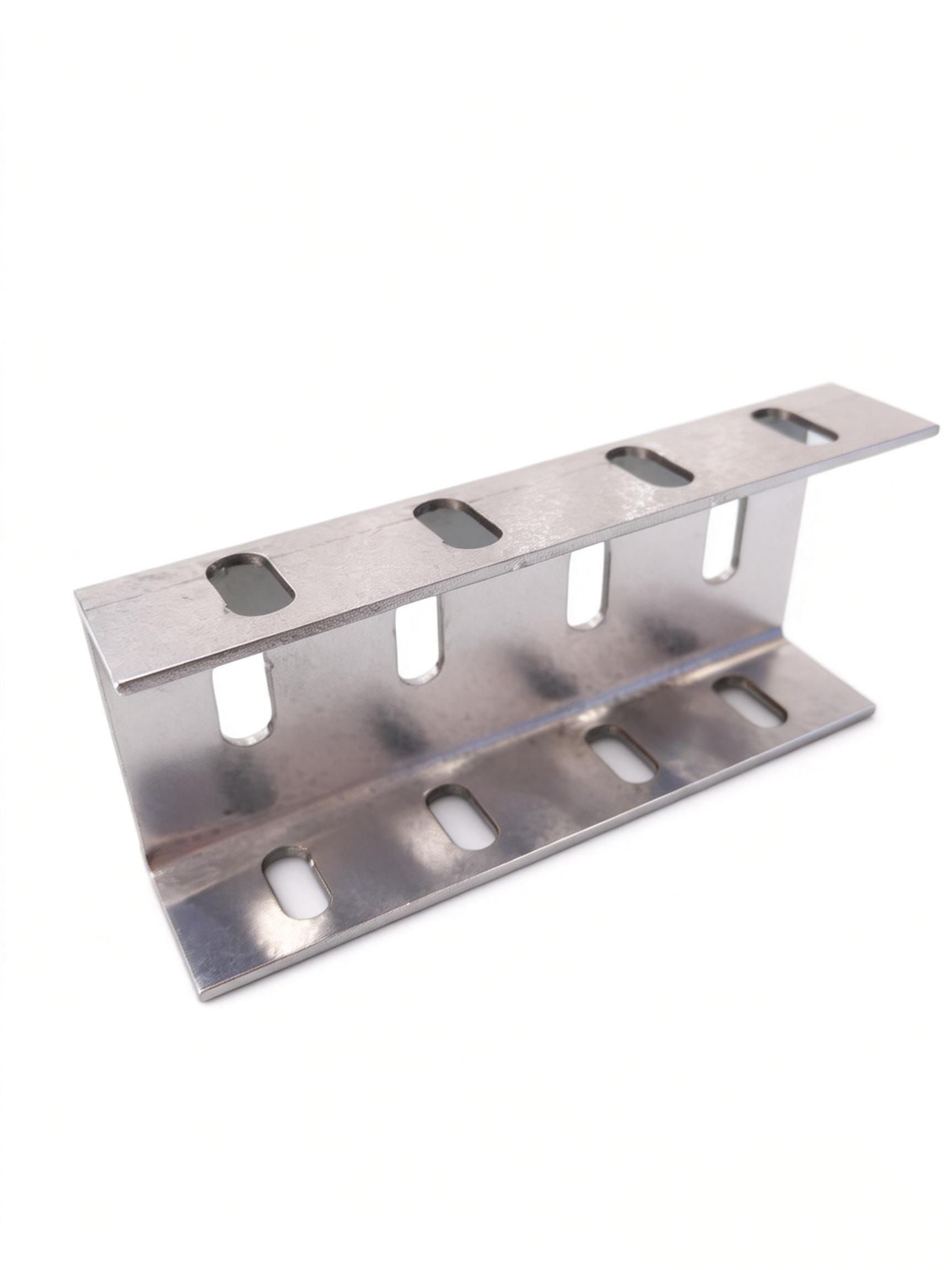
S235JR steel stands out in solar installations due to its excellent mechanical properties, which include a minimum yield strength of 235 MPa and a tensile strength range of 360 to 510 MPa. This structural steel alloy, manufactured under European standard EN 10025-2, offers enhanced durability and reliability in harsh outdoor conditions, making it a preferred choice for mounting frames, support beams, and other critical components in solar panel systems.
One of the key advantages of S235JR steel lies in its cost-effectiveness without compromising performance; its non-alloy composition ensures easy weldability and machinability, reducing installation time and maintenance costs for solar projects. Additionally, its corrosion resistance can be further improved with surface treatments like galvanizing, ensuring long-term stability in environments exposed to weather and UV radiation, which is crucial for maximizing the lifespan of solar infrastructure.
In practical applications, S235JR steel supports the growing demand for sustainable energy by enabling robust yet lightweight designs that can withstand wind loads and mechanical stresses. Its versatility allows for creative engineering solutions, such as modular frameworks that adapt to various terrains, enhancing the overall efficiency and scalability of solar farms while maintaining environmental compliance through recyclability.
Top Chinese Suppliers of S235JR Steel for Solar Projects
When selecting S235JR steel for solar projects, it's worth exploring suppliers that have honed their offerings specifically for renewable energy applications. In China, some top providers stand out by offering tailored grades and logistical support, ensuring materials meet both structural demands and sustainability goals.
These suppliers often emphasize advanced production techniques, such as controlled rolling and precise chemical compositions, which enhance the steel's durability and corrosion resistance in outdoor solar installations. Their focus on custom solutions helps projects optimize costs while maintaining compliance with international standards like EN 10025.
By partnering with experienced Chinese suppliers, solar developers can access reliable supply chains and technical expertise, ensuring timely delivery and material quality that aligns with the long-term performance needs of solar farms and mounting structures.
Cost Analysis and Procurement Tips for S235JR Steel
Navigating the market for S235JR steel requires a keen eye for both quality and cost-efficiency. Prices can fluctuate significantly based on factors like current demand, raw material availability, and global economic conditions. To get a realistic picture, it's wise to compare quotes from multiple suppliers, but remember that the lowest price doesn't always mean the best deal. Consider hidden costs such as delivery charges, minimum order quantities, and potential delays, which can inflate the overall expense. Keeping an eye on market trends and negotiating based on volume or long-term contracts can also lead to substantial savings, making thorough research a crucial step in your procurement process.
When sourcing S235JR steel, think beyond just the price tag to ensure you're getting a product that meets your specific needs. Check the material certifications, like EN 10025-2, to verify the steel's mechanical properties and chemical composition, as deviations can affect performance in structural applications. It's also beneficial to assess the supplier's reliability—factors such as lead times, after-sales support, and their track record for consistent quality can prevent costly project setbacks. Don't hesitate to request samples or visit facilities to inspect the steel firsthand, as this can uncover issues that paperwork might miss, giving you peace of mind and a better overall value.
Quality Standards and Certifications for S235JR Solar Steel
For S235JR steel used in solar applications, adherence to stringent quality standards is crucial, ensuring structural integrity in mounting systems and frames. Key certifications often include compliance with EN 10025-2, which specifies technical delivery conditions for hot-rolled structural steels, including S235JR's mechanical properties like yield strength and impact resistance. Manufacturers typically obtain third-party verification, such as CE marking under the EU Construction Products Regulation, to confirm suitability for load-bearing solar installations, enhancing reliability in diverse environmental conditions.
Beyond basic standards, specialized testing protocols address unique solar demands, like corrosion resistance for outdoor exposure. Certifications from bodies like TÜV or ISO 9001 for quality management systems may be pursued to demonstrate consistent production control. Some suppliers also align with DIN 488 for reinforcement steel if used in concrete-integrated solar setups, ensuring compatibility with construction norms while maintaining S235JR's cost-effectiveness and weldability for custom solar designs.
In practice, procurement often requires documentation like mill certificates detailing chemical composition and mechanical tests, verified to avoid common solar failures. Innovation in this niche includes adapting S235JR grades for lightweight solar trackers through enhanced durability checks, setting it apart from generic construction steel by focusing on long-term performance under UV radiation and thermal cycling, without compromising on recyclability or eco-friendly credentials.
Future Trends and Innovations in Steel for the Solar Industry
The solar industry is increasingly turning to high-strength, lightweight steel alloys to enhance the efficiency and durability of solar panel frames and mounting systems. Innovations in steel production, such as advanced coating technologies that provide superior corrosion resistance, are extending the lifespan of solar installations in harsh environments. Additionally, the development of smart steel with integrated sensors allows for real-time monitoring of structural stress and performance, enabling proactive maintenance and reducing downtime.
Another key trend is the integration of recycled and sustainable steel into solar projects, driven by growing environmental regulations and corporate sustainability goals. For instance, steel manufacturers are adopting electric arc furnaces that use scrap metal, significantly reducing carbon emissions compared to traditional methods. This not only supports circular economy principles but also appeals to eco-conscious investors and consumers, giving companies a competitive edge in the green energy market.
Looking ahead, innovations like 3D-printed steel components are poised to transform solar infrastructure by enabling custom designs that optimize energy capture and reduce material waste. These advancements allow for more complex, aerodynamic shapes in mounting structures, improving stability and efficiency in varying weather conditions. As research continues, we can expect further breakthroughs in steel technologies that lower costs and boost the scalability of solar energy globally.
FAQ
S235JR steel is widely favored in China's solar industry due to its excellent strength, weldability, and cost-effectiveness, making it ideal for structural frames and mounting systems that endure harsh environmental conditions.
Yes, Chinese suppliers often adhere to international standards like EN 10025-2 and local certifications to ensure quality, with many factories achieving ISO 9001 to guarantee consistent performance for solar applications.
Compared to materials like aluminum or higher-grade steels, S235JR is generally more affordable in China, offering a balance of durability and cost that helps reduce overall project expenses in large-scale solar farms.
Key factors include the supplier's production capacity, quality control processes, delivery reliability, and experience with solar projects, as well as checking client testimonials to ensure they meet specific industry demands.
Yes, it can be customized through processes like cutting, bending, and galvanizing to fit various solar mounting designs, with options including pre-fabricated parts or tailored thicknesses and shapes for optimal performance.
S235JR steel is known for its good corrosion resistance, especially when coated or treated, making it suitable for China's varied climates, from humid coastal areas to dry inland regions, ensuring long-term stability for solar structures.
While highly reliable, challenges can include potential corrosion in extremely wet environments if not properly treated, and sourcing consistent high-quality batches from suppliers, emphasizing the need for thorough material testing.
Recent trends include the integration of S235JR with smart fabrication techniques, such as automated welding and eco-friendly coatings, to enhance efficiency and sustainability in China's rapidly growing solar sector.
Conclusion
As China emerges as a global solar manufacturing hub, S235JR steel has become a preferred material for structural components in solar installations due to its cost-effectiveness and reliability. This steel grade offers excellent weldability and formability, making it ideal for mounting systems, frames, and support structures in solar projects. Key specifications include a minimum yield strength of 235 MPa, ensuring it meets the durability demands of diverse environmental conditions, from coastal areas to high-altitude regions. Leading Chinese suppliers, such as Baowu Group and HBIS Group, provide high-quality S235JR steel with rigorous quality control, often certified to international standards like EN 10025-2.
Procurement strategies for S235JR steel in China emphasize balancing cost with quality, as competitive pricing from domestic mills can reduce overall project expenses. Future trends point toward innovations like enhanced corrosion-resistant coatings and lightweight alloys to improve efficiency in solar applications. By adhering to strict certifications and leveraging supplier expertise, manufacturers can optimize their solar steel solutions, ensuring long-term performance and sustainability in the rapidly growing renewable energy sector.
Contact Us
Contact Person: Simon
Email: [email protected]
Tel/WhatsApp: 8613672181100
Website: https://energetsolar.com/