

High-Voltage Switchgear: Unveiling Advanced Power Solutions for Modern Electrical Systems
2025-12-24
In the rapidly evolving world of electrical infrastructure, the demand for reliable, high-performance power solutions has never been more critical. Modern electrical systems face increasing challenges with efficiency, safety, and scalability, requiring innovations that can keep pace with technological advancements. At the forefront of these developments is high-voltage switchgear—a vital component that ensures the seamless distribution and control of electricity in industrial plants, power grids, and smart cities. With cutting-edge designs and enhanced safety features, this technology is revolutionizing how we manage electrical networks, paving the way for more resilient energy systems. As researchers and engineers continue to unveil advanced solutions, brands like Lugao are leading the charge with expertise in high-voltage switchgear that not only meets but exceeds modern demands. By integrating robust materials and intelligent monitoring capabilities, Lugao empowers industries to optimize performance and reduce downtime, offering a glimpse into the future of power management. This blog will explore the latest breakthroughs in switchgear technology, from enhanced insulation techniques to smart grid integration, and highlight how Lugao's contributions are shaping a safer, more efficient electrical landscape for tomorrow's world.
The Evolution of High-Voltage Switchgear: From Traditional Designs to Smart Grid Integration
High-voltage switchgear has undergone a remarkable transformation since its inception in the early 20th century. Initially, designs relied heavily on oil-filled or air-insulated configurations, which, while effective for basic circuit interruption, posed significant safety risks like fire hazards and required frequent manual maintenance. These traditional systems were bulky and operated in isolation, focusing primarily on protecting electrical equipment from faults without much consideration for system-wide coordination or data exchange.
The shift began in the latter half of the century with the introduction of vacuum and gas-insulated switchgear, which offered enhanced reliability, compactness, and reduced environmental impact. This era saw incremental improvements in durability and operational efficiency, but it wasn't until the dawn of digital technologies that a true paradigm shift occurred. The integration of microprocessor-based relays and sensors allowed for more precise fault detection and remote monitoring, setting the stage for the next big leap.
Today, smart grid integration is revolutionizing high-voltage switchgear by embedding advanced communication capabilities and IoT connectivity. Modern switchgear not only interrupts faults but also provides real-time data analytics, predictive maintenance alerts, and seamless integration with renewable energy sources. This evolution enables dynamic grid management, reducing downtime and optimizing energy flow, ultimately supporting a more resilient and sustainable power infrastructure. The journey from simple mechanical devices to intelligent network nodes reflects a broader trend toward automation and interconnectedness in the energy sector.
Enhancing Reliability and Efficiency in Modern Electrical Systems with Advanced Switchgear Technology
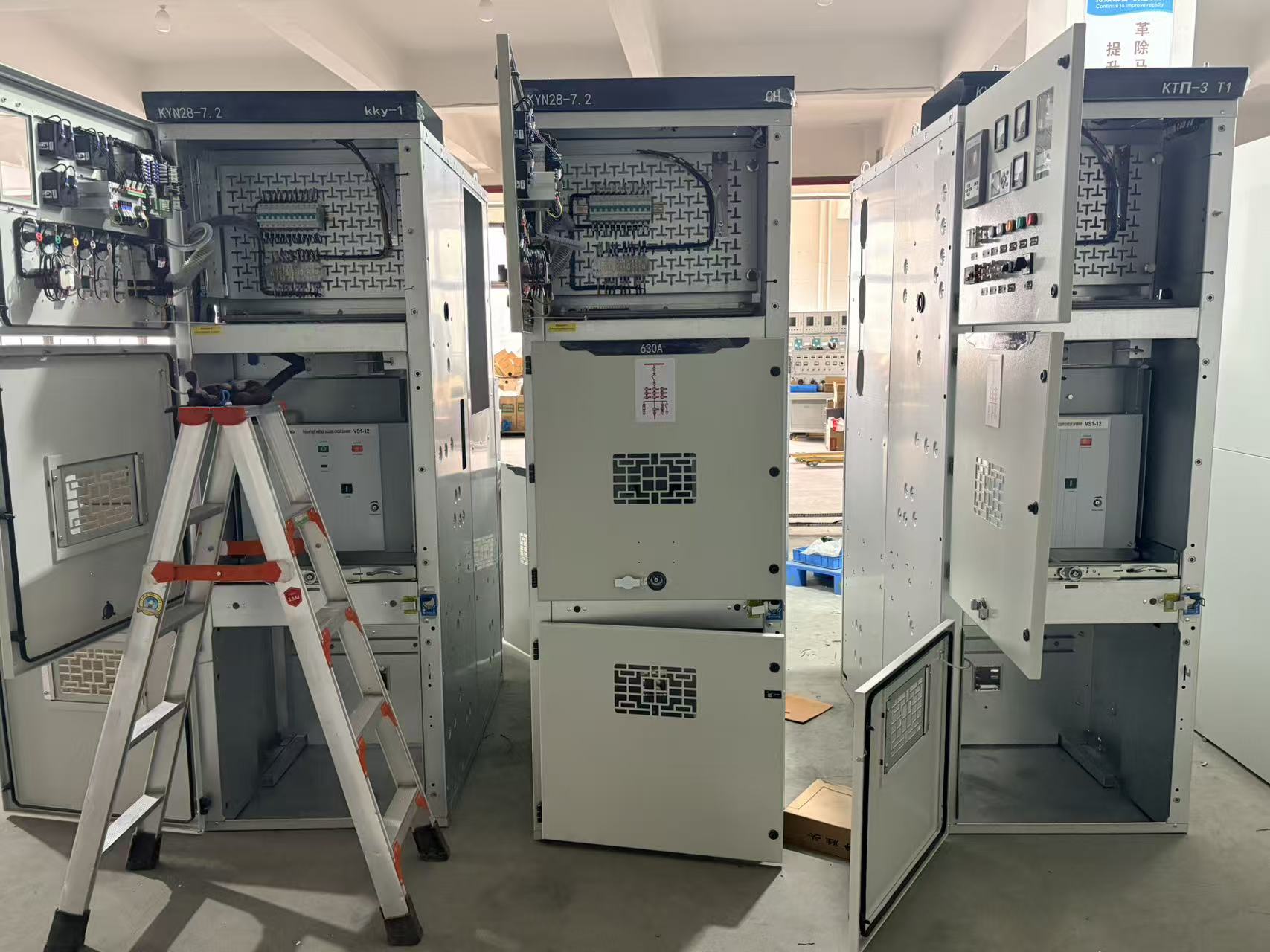
In today's rapidly evolving electrical infrastructure, maintaining reliable power distribution is paramount, and advanced switchgear technology stands at the forefront of this challenge. By integrating smart sensors, real-time monitoring systems, and automated controls, modern switchgear can detect potential faults before they escalate into outages. This proactive approach not only minimizes downtime but also enhances the overall resilience of electrical networks against disruptions from environmental factors or equipment wear. As industries increasingly depend on uninterrupted power for critical operations, such innovations in switchgear ensure that reliability is no longer a static feature but a dynamic, continuously optimized aspect of electrical systems.
Beyond reliability, these technologies are driving unprecedented gains in energy efficiency. Advanced switchgear incorporates features like vacuum or gas-insulated designs that reduce energy losses during transmission, while digital communication capabilities enable precise load management and demand response. For instance, by intelligently rerouting power flows and optimizing circuit configurations, these systems can cut operational costs and lower carbon footprints. In large-scale applications such as data centers or manufacturing plants, this translates to significant energy savings, making modern switchgear a key player in the transition toward greener, more sustainable electrical grids.
What sets contemporary switchgear apart is its adaptability to diverse and demanding environments, from urban smart grids to remote renewable energy installations. Leveraging cutting-edge materials and modular designs, these systems offer scalable solutions that can be customized for specific needs, whether it's handling high-voltage demands or integrating with renewable sources like solar and wind. By fostering interoperability with other smart grid components, advanced switchgear not only boosts performance but also future-proofs electrical infrastructures against emerging challenges, ensuring that reliability and efficiency continue to evolve in tandem with technological advancements.
Key Innovations in High-Voltage Switchgear: Compact Designs and Intelligent Monitoring Features
High-voltage switchgear has undergone a remarkable transformation in recent years, with compact designs leading the charge. Gone are the days of sprawling, space-hungry installations; modern systems now boast significantly reduced footprints, often up to 40% smaller than their predecessors. This shrinkage isn't just about saving real estate—it's fueled by advanced materials like gas-insulated switchgear (GIS) and solid insulation that enhance safety and durability. For instance, utilities in dense urban areas are leveraging these compact units to fit substations into tight spots, cutting down on land costs while maintaining robust power distribution capabilities. The shift toward modular, stackable configurations is a game-changer, allowing for easier upgrades and maintenance without full-scale overhauls.
Intelligent monitoring features have turned switchgear from passive hardware into active, data-driven assets. Sensors embedded throughout the system continuously track parameters such as temperature, partial discharge, and load currents, feeding real-time data into centralized platforms. This isn't just about collecting numbers; it enables predictive maintenance—alerting operators to potential failures before they cause costly downtime. A notable example is how some grid operators use AI algorithms to analyze trends and optimize switching schedules, reducing wear and tear by 15-20%. The integration of IoT connectivity means remote diagnostics are now standard, letting engineers troubleshoot issues from miles away, which slashes response times and enhances grid resilience during storms or peak demand.
Together, compact designs and intelligent monitoring are redefining what switchgear can do. The synergy between these innovations creates systems that are not only smaller and smarter but also more adaptable to renewable energy integration. As solar and wind farms proliferate, switchgear must handle variable loads seamlessly; the latest models use real-time data to adjust settings on the fly, ensuring stable power flow. In the end, it's a leap toward greener, more efficient grids—where every cubic meter and data point counts in building a sustainable energy future.
Applications Across Industries: How High-Voltage Switchgear Supports Renewable Energy and Data Centers
In the renewable energy sector, high-voltage switchgear isn't just a technical component; it's the backbone that ensures power generated from wind farms and solar arrays reaches the grid reliably. These systems manage the unpredictable surges that come from natural sources—like when a cloud passes over a solar field or wind speeds suddenly change—by swiftly isolating faults and maintaining stable transmission. Without this robust protection, the intermittent nature of renewables could lead to downtime and inefficiencies, making switchgear crucial for scaling clean energy infrastructure globally.
For data centers, where uptime is everything, high-voltage switchgear plays a critical role in safeguarding the massive power loads required for servers and cooling systems. It acts as a first line of defense against electrical faults, preventing outages that could disrupt cloud services or sensitive operations. Beyond safety, advanced switchgear technologies enable efficient energy management, helping data centers optimize their power usage and reduce costs, which is vital as digital demands keep growing.
What sets modern high-voltage switchgear apart in both industries is its integration with smart technologies. In renewables, it supports real-time monitoring of power flows, allowing for better grid balancing, while in data centers, it enables predictive maintenance to avoid unexpected failures. This adaptability not only enhances reliability but also future-proofs infrastructure, making it a key enabler for the energy and tech transitions we're seeing today.
Safety Protocols and Maintenance Strategies for Optimizing High-Voltage Switchgear Performance
When dealing with high-voltage switchgear, one cannot overstate the importance of strict safety protocols. These include mandatory lockout-tagout procedures before any maintenance work, ensuring that all energy sources are isolated to prevent accidental re-energization. Workers must always use appropriate personal protective equipment, such as arc flash suits and insulated gloves, and follow clear step-by-step guidelines for safe entry and operation. Regular safety audits and training sessions help keep these practices top of mind, reducing the risk of severe injuries or fatalities in high-risk environments.
Beyond basic safety measures, a proactive maintenance strategy is key to optimizing performance. Predictive maintenance techniques, like thermal imaging and partial discharge monitoring, allow for early detection of potential failures before they escalate. By analyzing data trends from these inspections, maintenance teams can schedule interventions during planned downtime rather than reacting to emergencies. This approach not only minimizes unplanned outages but also extends the lifespan of critical components, ensuring reliable operation under demanding conditions.
Integrating these safety and maintenance efforts creates a robust system that continuously improves switchgear performance. For example, by combining real-time monitoring with historical maintenance records, operators can fine-tune protocols to address specific wear patterns or environmental challenges. This dynamic loop of assessment, adjustment, and reinforcement helps maintain optimal efficiency and safety standards, ultimately supporting grid stability and operational excellence in high-voltage applications.
Future Trends: Sustainability and AI Integration in Next-Generation High-Voltage Switchgear Solutions
As the power industry shifts towards greener operations, next-generation high-voltage switchgear is evolving to prioritize sustainability. These systems are increasingly designed with eco-friendly materials, such as biodegradable insulating fluids and recyclable components, reducing environmental impact during production and end-of-life disposal. Enhanced energy efficiency in switchgear also cuts operational carbon footprints, aligning with global climate goals. Some manufacturers are even exploring modular designs that facilitate easier upgrades, extending equipment lifespan and minimizing waste, all while maintaining robust performance in demanding grid applications.
Artificial intelligence is revolutionizing high-voltage switchgear by enabling smarter, predictive maintenance and fault detection. Through AI-driven analytics, these systems can monitor parameters like temperature and vibration in real-time, anticipating failures before they occur to prevent costly downtime. Machine learning algorithms optimize energy flow and load management, enhancing grid stability and reliability. This integration not only boosts operational safety but also reduces manual intervention, leading to more autonomous, efficient power networks tailored to modern energy demands.
The fusion of sustainability and AI in switchgear solutions creates a synergistic effect, driving innovation in the sector. AI helps maximize the benefits of sustainable designs by optimizing resource use and monitoring environmental metrics, such as emissions and energy consumption. This dual focus supports the transition to renewable energy sources by ensuring switchgear can handle variable loads and integrate smoothly with smart grids. Overall, these trends promise a future where high-voltage infrastructure is not only more resilient and intelligent but also a key player in building a cleaner, more sustainable energy landscape.
FAQ
It controls, protects, and isolates high-voltage electrical circuits, ensuring safe and efficient power distribution in infrastructure like substations and industrial plants.
By incorporating features such as digital monitoring, self-diagnostic capabilities, and fast-acting circuit breakers, it minimizes downtime and prevents cascading failures in critical applications.
Innovations include gas-insulated switchgear (GIS) for compact designs, hybrid systems combining different insulation methods, and integration of IoT sensors for real-time data analytics.
High voltages pose significant risks like arc flashes and electrical fires; thus, designs focus on robust insulation, fault detection, and remote operation to protect personnel and equipment.
Factors such as space constraints, climate conditions (e.g., humidity or extreme temperatures), and regulatory standards guide choices between air-insulated, gas-insulated, or solid-insulated options.
By enabling efficient energy management, supporting renewable integration through smart grid compatibility, and reducing emissions via less SF6 gas usage in newer designs.
Challenges include high upfront costs, compatibility with existing infrastructure, training for new technologies, and navigating stringent safety and environmental regulations.
It allows predictive maintenance through condition monitoring, reduces manual inspections with automated alerts, and enhances lifecycle management via data-driven insights.
Conclusion
The evolution of high-voltage switchgear has been transformative, moving from traditional designs to seamless integration with smart grids, fundamentally reshaping modern electrical systems. This progression is marked by key innovations, including compact designs that save space and intelligent monitoring features that enhance real-time oversight. These advancements not only improve reliability and efficiency but also support critical applications across industries, such as renewable energy projects and data centers, where dependable power management is essential.
Safety protocols and maintenance strategies are crucial for optimizing performance, ensuring that switchgear operates safely and sustainably. Looking ahead, future trends point towards greater sustainability and AI integration, promising next-generation solutions that are both eco-friendly and smarter. By blending these elements, high-voltage switchgear continues to unveil advanced power solutions, driving progress in electrical infrastructure while meeting the growing demands of modern technology and environmental goals.
Contact Us
Contact Person: Doreen
Email: [email protected]
Tel/WhatsApp: 8618057712366
Website: https://www.liugaopower.com/