

How to Choose the Best Water Pump Generator Set Vendor for Reliable Power Solutions
2026-05-28
When it comes to securing reliable power for water pumping needs, selecting the right vendor can make all the difference between seamless operations and costly downtime. But with countless suppliers claiming to offer the best solutions, how do you separate genuine expertise from empty promises? The answer lies in knowing exactly what to look for—and that’s where this guide comes in. At Hichai Power, we’ve built our reputation on delivering dependable water pump generator sets that keep businesses running smoothly, and we’re here to share the insider criteria that will help you choose with confidence.
Digging Into Track Records: What Past Projects Reveal About a Vendor’s Reliability
A vendor’s track record is more than just a list of completed jobs—it’s a narrative of consistency, problem-solving, and follow-through. By examining the specifics of previous projects, you can move beyond polished proposals and see how a vendor actually performs under pressure. Look for patterns: do deadlines shift repeatedly without clear reasons? Are communication gaps a recurring theme in post-project feedback? These details paint a picture of reliability that no amount of marketing can obscure.
Past projects also reveal a vendor’s true competence in handling unexpected hurdles. Every initiative encounters hiccups, but a dependable partner stands out by how swiftly and transparently they respond. Scrutinize case studies or references for instances where budgets were stretched, or requirements evolved mid-stream. A vendor worthy of trust will have documented examples of adaptive planning and honest dialogue—not just a trail of successes where everything went exactly as scripted.
Finally, don’t overlook the qualitative side of a track record: the satisfaction of teams who worked alongside the vendor. A history of frictionless collaboration, proactive status updates, and a sense of shared purpose often signals a partner who will treat your project as more than a transaction. Reviewing testimonials with a critical eye—and perhaps a brief back-channel conversation—can uncover whether a vendor’s past reliability is likely to extend into your own future engagement.
Beyond the Spec Sheet: How Custom Engineering Matches Your Exact Power Needs
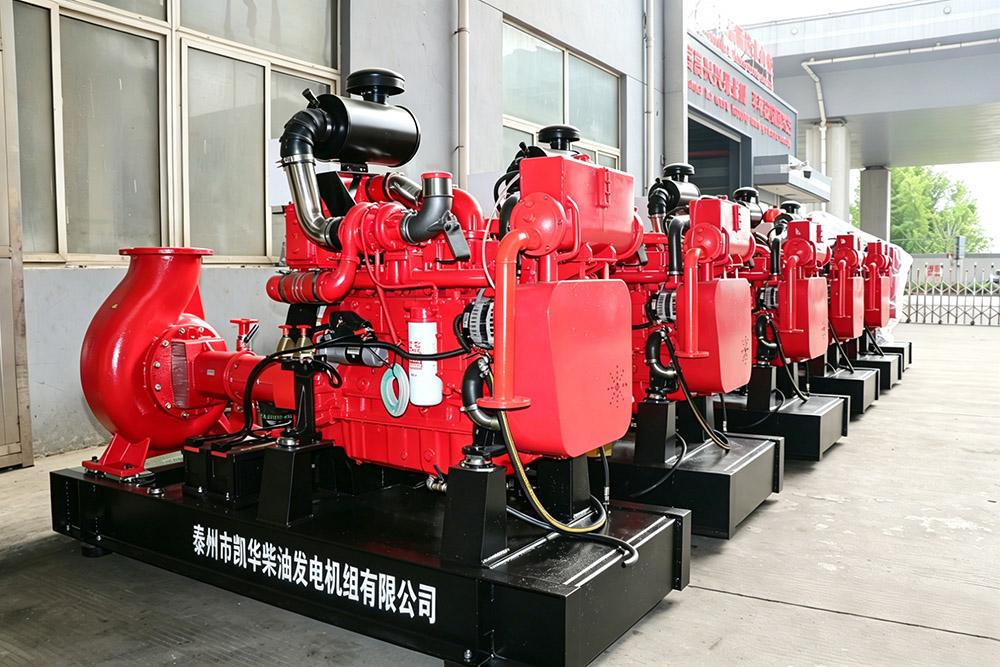
When you flip through a product catalog or scan a datasheet, it’s easy to assume the listing holds all the answers. But physical constraints, fluctuating load behaviors, harsh surroundings, or unusual duty cycles rarely fit neatly into a standard table of values. Real-world power demands are messy, and off-the-shelf solutions often leave gaps that only surface when a design moves past the prototype stage. That friction between what’s printed and what’s actually needed is where custom engineering starts to matter.
Custom power engineering goes beyond tweaking a voltage or swapping a connector. It begins with a detailed conversation about your operating environment—temperature swings, vibration, altitude—and works deeper into the exact nature of the load: inrush currents, peak versus continuous draw, noise sensitivity, or the need for isolation. Space constraints, cooling limitations, and even your manufacturing process can reshape the power topology. By weaving these details into the core design, the final unit doesn’t just meet a paper specification; it slips into your application without forcing compromises or piling on external workarounds.
The payoff isn’t just a number that matches. It’s a power stage that runs cooler, lasts longer, and fits where a generic brick never could. You avoid derating headaches, complex cable harnesses, and the slow drip of field failures that trace back to a stressed component. Instead, you get a foundation that supports future revisions without a complete redesign, often within the same footprint. When engineering aligns directly with your priorities, the power supply becomes an invisible enabler rather than a bottleneck.
The Support Lifeline: Evaluating Service Commitments Before the First Breakdown
Before anything breaks, the promises a service team makes can tell you a lot about what will happen when something does. It’s easy to focus on resolutions, but the real insight comes from how they commit to showing up. Are they vague about response windows, or do they give you a concrete timeline and a direct line to a human who knows your setup? That distinction often separates vendors who treat support as a cost center from those who see it as part of the product.
Look beyond the glossy SLA percentages. Dig into how they classify urgency, how they escalate internally, and what happens after hours. A team that volunteers details—without you having to pry—signals confidence in their process. Conversely, if you hear a lot of “it depends” without clear examples, that’s not agility; it’s a lack of defined accountability.
Finally, consider the cultural fit. The best support relationships feel less like calling a help desk and more like reaching a partner who is invested in your uptime. That rapport often builds during pre-sales exchanges, so pay attention to whether their communication feels curious and collaborative, or rushed and scripted. Service quality, when truly embedded, leaves unmistakable fingerprints long before the first ticket is opened.
Real-World Endurance: Why On-Site Testing Matters More Than Promises
Lab numbers rarely tell the whole story. A battery that hums along in a climate-controlled chamber at a steady 25°C can behave like a completely different animal when asked to perform in a dusty construction site, under direct sun, or while being hammered by rain. On-site testing throws all these variables at once—vibration, temperature swings, intermittent usage patterns—and that’s where the gap between promise and reality becomes impossible to ignore. Manufacturers can quote discharge curves and cycle life estimates, but only fieldwork can show whether those cells are actually going to survive a Monday morning start after a freezing weekend.
What makes field endurance so telling is that it uncovers the weak points that never make it into a datasheet. A connector might corrode faster because of a particular morning dew pattern at one site; a cooling design might prove insufficient when equipment is parked in the lee of a building that blocks wind. These tiny, site-specific quirks accumulate and teach engineers far more than any accelerated aging test ever could. Over time, the fleet logs start to reveal patterns: units that were gently handled but parked in damp areas developed problems before those that were beaten up but kept dry. That kind of insight only comes from letting reality write its own test plan.
There’s also a psychological dimension. When operators and maintenance crews know that the equipment they use every day is being relied on to generate endurance data, their daily observations gain a new level of importance. A note about a “funny noise” or a slightly longer-than-usual spin-up time becomes a data point. That collective attention, multiplied across many sites, forms a web of scrutiny that no simulation can replicate. In the end, trusting on-site testing isn’t about doubting the engineers; it’s about respecting what the field can teach—the messy, uneven, wonderfully informative reality that no laboratory can ever fully capture.
Cost Clarity: Uncovering Hidden Fees and Long-Term Value in Vendor Proposals
When evaluating vendor proposals, the quoted price rarely tells the whole story. Too often, organizations rush into contracts seduced by a flashy low number, only to discover a trail of hidden charges buried in the fine print. From maintenance fees that escalate unpredictably to licensing models that penalize growth, these costs can quietly erode your budget. True cost clarity demands digging beyond the surface line items. It means scrutinizing every assumption, questioning vague deliverables, and mapping out the total cost of ownership over the realistic lifespan of the engagement—not just the initial term.
Equally critical is shifting the conversation from upfront expense to long-term value. A cheap solution that fails to scale, requires constant workarounds, or locks you into outdated technology is far more expensive in the end. Look for vendors who articulate how their offering will adapt as your needs evolve, whose pricing model aligns with your success rather than your stagnation. Ask the uncomfortable questions: What happens to the cost if we double our usage? Are training, support, and upgrades genuinely included, or do they come with separate price tags? Transparency here isn’t just refreshing—it’s a litmus test for a partnership built on mutual growth.
Achieving this clarity takes discipline, but it transforms procurement from a transactional hassle into a strategic advantage. Start by demanding itemized breakdowns that separate one-time investments from recurring operational costs. Then, build internal capability to benchmark these against industry norms and past experiences. When both sides understand that true value is measured in outcomes—not just features—negotiations become more honest. The goal isn’t to squeeze every last cent from a vendor, but to ensure that the price you pay directly ties to the value you actually receive, year after year.
Partnership Potential: Spotting Vendors Who Grow With Your Power Demands
Real partnership potential isn’t about who offers the lowest price today—it’s about who can handle your demand spikes without scrambling. When evaluating vendors, look past their sales pitch and into their operational backbone. Do they have the capacity to scale with you, or will they start making excuses when your orders double? A vendor that treats your growth as a problem rather than an opportunity isn’t a partner; they’re a bottleneck waiting to happen.
Dig into how they manage their own resources. Ask about their supplier relationships, their inventory buffers, and their contingency plans when raw material costs surge. A vendor worth sticking with will have redundancies in place—not just a single factory line that could go down for weeks. They’ll also be proactive, flagging potential capacity constraints before they become your emergency. If they can’t articulate how they’d absorb a sudden 30% increase in demand without compromising quality, you’re likely looking at a short-term vendor, not a long-term ally.
Look for evidence of adaptive thinking. Have they innovated their processes to keep up with changing market demands? A vendor that continuously invests in automation, cross-training staff, or modular production lines is signaling that they’re built for evolution, not just steady-state supply. The best partnerships thrive when both sides are eager to solve problems together—so test their willingness to collaborate on custom solutions, not just fulfill standard orders. If they start making exceptions the moment you need something slightly outside the box, their growth ceiling might be lower than your ambitions.
FAQ
Start by digging into their track record. A vendor that's been around for a while and has a portfolio of successful installations in similar environments is a solid bet. Ask for case studies or client references, and don't hesitate to contact those clients. Pay attention to how the vendor handles maintenance—do they offer service contracts, and are their technicians readily available? The build quality of their sets matters too; check if they use corrosion-resistant materials and if the pumps and generators are from reputable manufacturers. A reliable vendor should also provide clear performance data and not just glossy brochures.
A good vendor will ask you detailed questions before offering any product. They'll want to understand your water source, required flow rate, head height, and desired pressure, as well as your power consumption patterns—peak loads, continuous operation, or intermittent use. They should discuss fuel type, remote monitoring, and integration with existing systems. If they just push a one-size-fits-all solution without listening, move on. The best ones will customize a package and explain their reasoning in plain language, not just technical jargon.
Definitely. Be wary of vendors who can't provide concrete performance guarantees or who dodge questions about after-sales support. Unusually low prices compared to the market might mean cut corners on components. Check how upfront they are about total cost of ownership—hidden fees for installation, spare parts, or service calls are a bad sign. Also, if they're slow to respond during the sales process, imagine how they'll be when a breakdown happens. Lack of proper certifications for their products should also raise alarms.
Truly exceptional vendors don't just sell equipment; they offer a partnership. They'll have a thorough design process that factors in your site conditions, from altitude to humidity, and propose solutions you might not have considered, like solar hybrid systems. Their communication is proactive—they'll keep you updated on lead times and potential delays. Post-installation, they follow up to ensure everything runs smoothly and often provide training for your team. Some even stock critical spare parts locally to minimize downtime, which shows real commitment.
It can be a game-changer. A vendor with local support means faster response when something goes wrong, and you can usually get parts quicker. They'll understand regional regulations, fuel availability, and common usage patterns better than someone operating remotely. Having a physical presence also makes it easier to build a relationship—you can visit their facility, see the sets being assembled, and meet the technicians. But don't dismiss a non-local vendor if they have a strong service network through partners; just verify that the partners are as committed.
Dig into the details. Ask what the warranty actually covers—does it include labor, travel, and both pump and generator components? For how long? Find out if they offer extended coverage and what routine maintenance is required to keep the warranty valid. Clarify response times: for urgent issues, can they guarantee a technician on-site within hours? Request a sample service contract and look for clauses about response penalties. Also, ask if they provide loaner equipment while yours is being repaired—that's a sign of a customer-focused vendor.
Conclusion
Picking a water pump generator set vendor you can count on starts with more than glossy brochures or a polished sales pitch. Real reliability shows up in a vendor's track record—scrutinize their past projects to see how their equipment held up under conditions similar to yours. Don't stop at the standard spec sheet; the best suppliers dig into your actual power demands and provide custom engineering that fills gaps off-the-shelf units miss. Before you ever face a breakdown, assess the support lifeline: how quickly can they deploy technicians, do they stock critical parts locally, and what does their service commitment actually look like in practice? All these factors paint a picture of a vendor that genuinely prioritizes your uptime.
Equally important is seeing past promises to verify performance where it counts—insist on on-site testing under real load conditions rather than relying solely on factory numbers. Cost clarity is another often-overlooked piece: ask pointed questions about hidden fees for commissioning, maintenance contracts, and consumables, while comparing long-term value instead of just upfront price tags. Finally, view the relationship as a partnership; the right vendor doesn't just sell you a generator set but evolves alongside your growing power needs, offering scalable upgrades and honest advice when requirements shift. Choosing well means weighing every detail against the reality of day-to-day operations.
Contact Us
Contact Person: Ms. Lu
Email: [email protected]
Tel/WhatsApp: 8618917899306
Website: https://www.hichaipower.com