

Laser Safety Gloves Supplier: How to Choose the Best Protection for Your Needs
2026-06-16
When working with high-powered lasers, your hands are your most vulnerable asset. The right pair of laser safety gloves isn’t just a purchase—it’s a commitment to your long-term wellbeing. Yet with so many suppliers claiming to offer the best protection, how do you cut through the noise and make a smart choice? The secret lies in understanding what truly matters: optical density levels, material durability, and a supplier’s track record for reliability. That’s where LASERPAIR comes in—a partner that combines advanced technology with real-world expertise, so you can focus on your work without compromise.
Understanding Laser Hazards and Hand Protection Levels
Lasers aren't just concentrated beams of light—they're capable of inflicting serious damage in a fraction of a second. The risks range from superficial burns to deep tissue destruction, depending on the wavelength, power density, and exposure time. While many people fixate on eye safety, hands are actually among the most vulnerable body parts during routine laser operations, alignment tasks, or maintenance work. A stray reflection or an accidental sweep of the beam can easily catch a fingertip or the back of a hand, leading to cuts, burns, or even nerve injury.
That's where standardized protection levels come into play, giving users a clear framework to match gloves with specific laser parameters. These ratings aren't just marketing labels—they're built on rigorous testing that measures how long a material can withstand direct exposure before the beam penetrates through. For instance, a glove marked with a certain protection level might hold up against a 100-watt continuous-wave laser for over ten seconds, buying precious reaction time. But swapping in a pulsed laser with the same average power could slash that protection time dramatically, because peak power spikes behave almost like tiny explosions on the material surface.
In practice, choosing the right hand protection means reading beyond the nominal level and considering the full operational picture—wavelength, pulse characteristics, beam diameter, and even how the user's hand might accidentally intersect the beam path. A glove that excels against a near-infrared fiber laser might be nearly transparent to a CO₂ beam. And it's not just about burn-through; scattered radiation can heat up the glove interior enough to cause secondary burns without any visible exterior damage. So, understanding these nuances is what separates a genuinely safe workspace from one that just looks safe on paper.
Materials Matter: Beyond Basic Fabric Choices
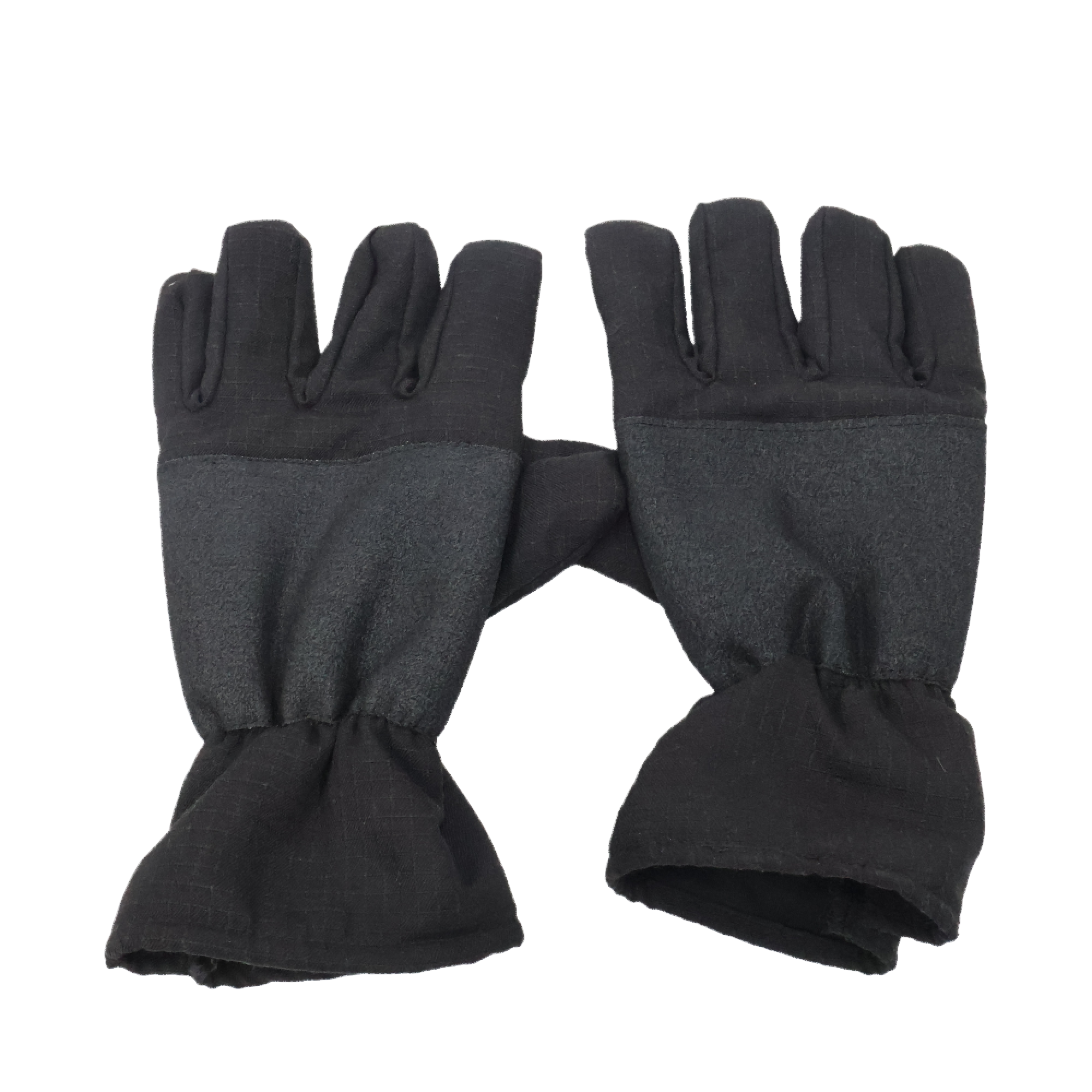
Fabric selection is the quiet foundation of every garment, shaping not only how a piece looks but how it lives on the body. Move past the standard cotton-polyester binary, and you enter a world where fibers carry texture, memory, and even emotional weight. A loosely woven linen, for instance, doesn’t just look effortlessly crumpled—it breathes, softens with every wash, and eventually drapes in a way no synthetic can mimic. The choice of material alters the entire tempo of a design: a crisp silk organza demands structure and volume, while a fluid cupro slides into liquid silhouettes. Understanding this gives the wearer a more intimate dialogue with their clothing, one that goes far beyond the surface.
Durability and care often get sidelined in the pursuit of trend, but they’re where true material intelligence lies. Blended textiles can be engineered for resilience, but they rarely age with the grace of a pure, heavy-gauge wool that molds to the body over years. There’s a growing appreciation for fabrics that tell a story through their imperfections—slubbed silk, handwoven cotton with slight irregularities, or naturally dyed hemp that fades uniquely. These aren’t flaws; they’re signatures that mass production erases. A good material doesn’t fight the body or the clock; it collaborates with both, gaining character rather than wearing out.
It’s also worth considering the sensory layer we rarely articulate. The rustle of taffeta, the dry hand of raw cotton, the second-skin cool of lyocell—these physical experiences define how we feel in our clothes as much as the cut does. Designers who push beyond basic fabric choices are often playing with this invisible alchemy, using materials to shift posture, mood, or even social perception. An abrasive tweed commands a different presence than a soft mohair; a breezy ramie sets a different rhythm than a dense corduroy. When you start reading materials this way, the whole notion of “getting dressed” becomes something far more intentional.
Fit and Dexterity: Glove Design That Works With You
Every seam and contour follows the hand's natural movement, so tasks feel less like a wrestling match with your gear. Instead of stiff, unyielding materials, we use a blend that stretches and recovers without sagging, letting fingers bend, grip, and release with barely any resistance. The result is a second-skin sensation that doesn't sacrifice toughness for flexibility.
Precision isn't just about protection—it's about staying connected to what you're handling. A textured palm and articulated fingertips transmit subtle feedback, whether you're adjusting a dial, tying a knot, or operating a touchscreen. There's no numbness or loss of control, just the quiet confidence that your hands can do their best work, gloved or not.
Forget the bulky, one-size-fits-all approach. Our design studies hand posture and pressure points, creating a fit that reduces fatigue during extended wear. Adjustable closures lock out debris while keeping the cuff snug without restricting circulation. It’s the kind of thoughtful engineering that turns a necessary piece of equipment into something you almost forget you’re wearing.
Certifications Unmasked: What Those Standards Really Mean
When you see a shiny badge on a product or website, it’s easy to assume it signals unquestionable quality or security. But dig a little deeper, and the reality is often more nuanced. Many certifications rely on a one-time audit or a narrow set of criteria that may not reflect ongoing performance. For instance, an “ISO 27001” certificate confirms a company has an information security management system in place—but it doesn’t guarantee that system is actively protecting your data every day. The gap between the standard’s intent and its actual enforcement can be wider than you’d think.
Some labels are essentially marketing tools dressed up as rigorous endorsements. A “Certified Organic” seal might mean different things depending on the country or certifying body, with some allowing practices that purists would reject. Similarly, in the tech world, a “SOC 2” report tells you a service provider has controls for security and availability, but it’s based on a snapshot in time and doesn’t automatically mean your own data is safe from breaches. It’s less a promise and more a point-in-time opinion.
The key is learning to read between the lines. Look for certifications that require continuous monitoring or regular re-evaluation rather than a one-and-done process. Ask what specific criteria are being tested and who’s doing the testing—an independent third party is far more reliable than a self-declared badge. Ultimately, a credential should be the starting point for your own due diligence, not a replacement for it.
Matching Glove Specifications to Your Laser System
Selecting the right laser safety gloves isn't just about picking the highest optical density you can find. It starts with knowing your laser's wavelength, power, and pulse characteristics. A glove that blocks a 1064 nm Nd:YAG beam perfectly might be nearly transparent at 10.6 µm from a CO2 laser, leaving you dangerously exposed. Map out every wavelength your system emits—including any frequency-doubled or tripled outputs—and cross-reference them with the glove's protective spectrum. Even alignment beams count, so don't overlook those low-power visible guides.
Once you've matched the wavelength, consider the glove's damage threshold and how it holds up under real-world use. Continuous wave systems can slowly heat materials until they fail, while pulsed lasers can cause instantaneous breakdown if the peak power exceeds what the glove can handle. Check the glove's rated power density and energy density limits, and be honest about your beam's intensity at the point where your hands typically work. A glove that's fine for scattered reflections might be completely inadequate if you're routinely working near the focal point or handling optics in the direct beam path.
Don't settle for generic solutions when your work demands more. Thin-film coatings or specialty glass filters can be engineered for multi-wavelength protection without sacrificing dexterity, but they must align precisely with your system's output. Even then, practical factors like fit, grip, and comfort determine whether the gloves will be worn consistently during critical alignment tasks. If the protection is cumbersome and you're tempted to pull them off for a “quick adjustment,” then the specification sheet alone hasn't done its job. Prioritize protection that integrates seamlessly into your workflow, because the best laser glove is the one that actually stays on your hands when it matters most.
Supplier Red Flags and Smart Questions to Ask
When vetting potential suppliers, certain behaviors can signal deeper issues that may disrupt your operations down the line. For instance, a supplier who consistently dodges specific questions about production capacity or lead times might be hiding limitations that could result in delays. Trust your instincts if communication feels guarded or inconsistent; reliable partners tend to be transparent and proactive from the start. A lack of documented quality control processes or an unwillingness to share references are also red flags that shouldn't be ignored.
Asking the right questions early in the relationship can help uncover hidden risks. Instead of general inquiries, focus on scenarios that test their capabilities and integrity. Consider asking, "Can you walk me through how you handled a major supply chain disruption in the past?" or "What would be your strategy if demand suddenly increased by 30%?" These open-ended questions reveal not just their problem-solving approach but also their transparency. It's equally important to request data, such as rejection rates or on-time delivery statistics over the past year, rather than relying solely on their assurances.
Beyond the formal questionnaire, observe how they respond to negotiation and feedback. A supplier that agrees to every demand without pushback may be overpromising, while one that reacts defensively to a fair concern could indicate a difficult long-term partnership. Pay attention to the details they volunteer without being asked—for example, if they inform you about a minor raw material substitution proactively, it's a positive sign of their commitment to honesty. Building a network of local industry contacts can also provide informal insights into a supplier's reputation and help you spot warning signs that a formal audit might miss.
FAQ
Focus on the optical density rating that matches your laser's wavelength, alongside robust material construction and all-day comfort. Verify the gloves meet EN 207 or ANSI Z136 standards, and consider extra features like cut resistance if your work involves sharp components.
Match the OD to your laser's wavelength and power output. A higher OD blocks more energy but can limit vision. For example, a CO2 laser at 10.6 µm typically needs OD4 or above. Always cross-check with your laser's safety data and local regulations.
No, they vary widely. You'll find options like aramid blends, polymer composites, and even metal-coated fabrics. The material dictates both the protection level and how nimble you can be—fiber laser gloves often differ significantly from those built for solid-state lasers.
Sometimes, but with caution. Multi-wavelength gloves are available, yet they may compromise on peak protection. If you're swapping between, say, a diode and a Nd:YAG laser, verify the OD curve covers both wavelengths. Dedicated gloves often offer safer, simpler performance.
In Europe, demand CE marking against EN 207:2017, which tests for continuous and pulsed exposure. In North America, ANSI Z136.7 is key. These certifications prove the gloves won’t melt or burn through under rated laser conditions, giving you real-world assurance.
Tight, stiff gloves kill dexterity and invite mistakes. A well-vented, ergonomic design with precise sizing lets you work longer and more accurately. Details like seamless interiors and flexible cuffs transform wearability, so don't overlook fit when assessing protection.
Absolutely. Medical variants prioritize a light touch and precise feel, often scaled for lower-power lasers used in dermatology or surgery. Industrial gloves are generally heavier, aimed at high-power beams, and frequently integrate added defense against mechanical hazards like abrasion.
Request spectral attenuation charts, independent test reports, and proof of batch-to-batch consistency. Dig into material flammability responses and any customization options. Also clarify lead times, sizing support, and warranty coverage to avoid surprises later.
Conclusion
Selecting the right laser safety gloves from a supplier goes far beyond simply picking a product off the shelf. It starts with a clear understanding of laser hazards—different wavelengths, power levels, and exposure durations demand specific hand protection that aligns with established standards. You can’t ignore the materials: advanced options like metalized fabrics or coated fibers offer targeted protection, while basic leather or cotton might fail catastrophically against certain lasers. But protection only counts if the gloves are wearable. A design that compromises fit or dexterity leads to user frustration and accidental removal at critical moments, so look for ergonomic cuts and enhanced tactile feedback. Certifications are another piece of the puzzle; labels like CE or ANSI don’t just mean legitimacy—they indicate rigorous testing for the exact laser types you work with. Always match the optical density and damage threshold specs to your system’s parameters, and don’t hesitate to ask suppliers for full test reports.
A trustworthy supplier is just as important as the glove itself. Watch for red flags: vague marketing claims, reluctance to share documentation, or a lack of specialized laser safety knowledge. Ask direct questions about batch testing, material sourcing, and ongoing compliance with current regulations. A supplier who truly understands your application will help you balance protection with practical comfort, ensuring that safety doesn’t hinder lab productivity. Ultimately, the best protection comes from a partnership where transparency and expertise guide your selection, keeping your hands safe without compromising your work.
Contact Us
Contact Person: Jenny
Email: [email protected]
Tel/WhatsApp: +86 13537713281
Website: https://www.laserpair-safety.com/