

Low Voltage Switchgear Factory in China: A Comprehensive Guide to Manufacturing Excellence
2025-12-18
Welcome to the dynamic world of electrical manufacturing, where precision and innovation converge to power modern infrastructure. In this comprehensive guide, we delve into the heart of low voltage switchgear production in China, exploring the meticulous processes and cutting-edge technologies that define manufacturing excellence. As a leading manufacturer in this field, CNKEEYA stands at the forefront of this industry, driving advancements that ensure safety, reliability, and efficiency in electrical systems worldwide. From raw materials to final assembly, we'll uncover the secrets behind top-tier production, offering insights that could transform your approach to electrical solutions. Join us on this journey to understand why Chinese manufacturing is setting new benchmarks and how you can leverage these developments for your projects. Buckle up for an enlightening exploration into the future of electrical technology!
Essential Components of Low Voltage Switchgear Manufacturing in China
Low voltage switchgear manufacturing in China hinges on several core components that define product reliability and safety. At the heart of this industry are circuit breakers and protection devices, which have evolved significantly with advancements in digital technology and smart features, allowing for real-time monitoring and enhanced fault detection in modern systems.
Another critical element is the incorporation of high-quality insulation materials and robust enclosures, ensuring durability and compliance with stringent international standards like IEC 61439. Chinese manufacturers often emphasize custom designs to meet diverse application needs, from industrial plants to commercial buildings, while maintaining cost-effectiveness through streamlined production processes.
Innovations in busbar systems and modular designs are also key drivers, enabling easier installation and scalability. This adaptability helps Chinese firms stay competitive in global markets, supported by a strong supply chain for components such as relays and connectors.
Innovation and Technology Trends in Chinese Switchgear Production
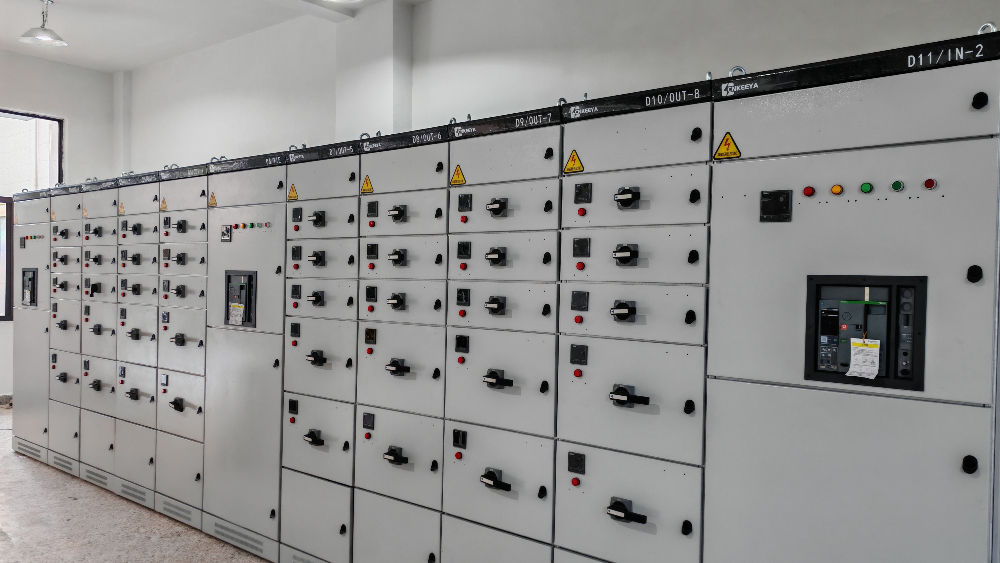
The Chinese switchgear production industry is undergoing a significant transformation, propelled by rapid advancements in digitalization and smart technologies. Companies are increasingly integrating IoT sensors and AI-driven analytics into their products, enabling real-time monitoring and predictive maintenance for electrical systems. This shift not only enhances operational efficiency and safety but also reduces downtime and costs for end-users, positioning Chinese manufacturers at the forefront of the global market. For example, new smart switchgear models can automatically detect faults and alert technicians before failures occur, reflecting a broader trend toward automation and connectivity in industrial equipment.
Another key trend is the adoption of sustainable materials and energy-efficient designs, driven by both domestic environmental policies and international demand for greener solutions. Chinese producers are innovating with eco-friendly insulation materials and low-emission manufacturing processes, aiming to minimize the environmental footprint of switchgear products. This focus on sustainability is complemented by investments in renewable energy integration, such as switchgear tailored for solar or wind power systems, which supports China's goals for carbon neutrality and opens up new market opportunities. These efforts demonstrate a commitment to balancing industrial growth with ecological responsibility.
Collaboration with global partners and increased R&D spending are further accelerating innovation in this sector. Chinese firms are forming strategic alliances with international technology leaders to access cutting-edge expertise and expand their export capabilities. Additionally, government initiatives and subsidies are fostering a vibrant ecosystem for startups and established players alike, encouraging experimentation with novel designs like modular switchgear that offer greater flexibility and scalability. As a result, the industry is becoming more agile and responsive to evolving customer needs, solidifying its reputation for quality and innovation on the world stage.
Quality Standards and Certifications for Reliable Switchgear Products
Ensuring that switchgear products meet stringent quality standards and certifications is fundamental for their reliable operation in demanding electrical systems. Manufacturers often adhere to international benchmarks like IEC 62271, which sets criteria for high-voltage switchgear, or ANSI/IEEE C37 series for medium-voltage applications. These standards cover aspects such as dielectric strength, mechanical endurance, and thermal performance, providing a consistent framework that helps prevent failures and enhances safety. By following such guidelines, companies can deliver equipment that withstands harsh conditions and minimizes downtime in critical infrastructures like power plants or industrial facilities.
Certifications from recognized bodies, such as UL or CSA, further validate a product's compliance with safety and performance requirements. Independent testing and verification processes assess factors like short-circuit withstand capability and environmental resilience, offering peace of mind to engineers and operators. This rigorous approach not only meets regulatory demands but also builds trust in the market, distinguishing products that go beyond basic specs to offer long-term reliability and reduced maintenance needs.
In addition to established standards, innovative manufacturers are incorporating advanced testing protocols, such as partial discharge monitoring or accelerated aging tests, to predict real-world performance more accurately. This proactive stance helps identify potential issues early, ensuring that switchgear remains dependable over its lifespan. Ultimately, a focus on comprehensive certifications and quality controls translates into enhanced operational efficiency and safety for end-users.
Supply Chain and Logistics Strategies for Efficient Factory Operations
In the competitive landscape of modern manufacturing, the interplay between supply chain management and logistics is more than just moving parts from A to B—it's the lifeblood of factory efficiency. A robust strategy demands a holistic view: from sourcing raw materials with reliable partners to implementing just-in-time (JIT) delivery systems that slash inventory costs. By integrating real-time data analytics, factories can anticipate disruptions and adapt swiftly, turning potential bottlenecks into seamless workflows. This proactive approach not only keeps production lines humming but also fosters stronger relationships with suppliers, ensuring that every link in the chain contributes to a leaner, more responsive operation.
On the logistics front, innovation in transportation and warehousing is reshaping how factories manage their flow. Imagine autonomous vehicles navigating warehouse aisles, or smart sensors tracking shipments with pinpoint accuracy, eliminating guesswork in delivery schedules. Leveraging technologies like IoT and AI, logistics strategies can optimize routes and reduce lead times, directly boosting throughput on the factory floor. It's about creating a synchronized dance where goods arrive precisely when needed, cutting down on idle time and storage expenses, which in turn enhances overall productivity and reduces waste.
Ultimately, merging these strategies requires a cultural shift toward collaboration and continuous improvement. Factories that embrace agile methodologies and cross-functional teams can fine-tune processes, from procurement to distribution, driving down costs while elevating quality. By prioritizing flexibility—like using multi-modal transport options or diversifying supplier bases—operations become resilient against market fluctuations. This forward-thinking mindset not only sets a factory apart but builds a sustainable edge, where every logistical move is a calculated step toward peak efficiency and long-term success.
Customization and Design Capabilities to Meet Global Market Demands
In today's interconnected world, a one-size-fits-all approach simply doesn't cut it for diverse markets. Companies like ours have honed the ability to tailor products and services to meet specific regional and cultural needs. By integrating deep market research into our design processes, we ensure that each creation resonates with local tastes while maintaining global appeal. This isn't just about adding a dash of color or tweaking a feature; it's about crafting experiences that feel inherently familiar and valuable to customers across continents.
Design flexibility is at the heart of our strategy, allowing us to pivot swiftly in response to emerging trends and feedback. We leverage advanced tools and collaborative platforms to co-create with clients, transforming their unique visions into tangible solutions. From modular components that can be easily adapted to sustainable materials chosen for specific climates, every design decision is intentional. This agility not only boosts customer satisfaction but also positions us ahead of competitors in a fast-paced, ever-evolving marketplace.
Ultimately, our commitment to customization drives innovation and fosters long-term partnerships. By anticipating shifts in consumer behavior and regulatory landscapes, we design with foresight, ensuring products remain relevant and compliant globally. It's a dynamic process that blends creativity with practicality, empowering businesses to thrive wherever they operate without compromising on quality or identity.
Sustainability and Environmental Practices in Modern Switchgear Factories
Modern switchgear facilities are increasingly incorporating green building designs that go beyond mere compliance. Many factories now integrate features like advanced insulation, energy-efficient lighting systems, and rainwater harvesting to minimize their ecological footprint. For example, some plants utilize skylights and reflective roofing to reduce artificial lighting needs, cutting energy consumption by up to 30% in certain cases. These structural choices not only lower operational costs but also set a tangible example for sustainable industrial architecture.
Innovations in material usage are reshaping how switchgear is produced, with factories prioritizing recycled or bio-based components where possible. One notable trend is the replacement of traditional insulating oils with biodegradable alternatives, which significantly reduces hazardous waste. Additionally, manufacturers are adopting closed-loop systems for metals like copper and aluminum, recovering over 95% of scrap for reuse. This shift not only conserves natural resources but also aligns with circular economy principles, making the production process more resilient and less wasteful.
Operational practices in these factories extend sustainability to daily workflows through smart technologies. Real-time energy monitoring systems track electricity usage across production lines, enabling adjustments that optimize efficiency and reduce carbon emissions. Some facilities even generate part of their power via on-site solar panels, further decreasing reliance on non-renewable sources. Beyond energy, waste management protocols ensure that by-products are either repurposed or disposed of safely, fostering a culture of environmental responsibility among staff and stakeholders alike.
FAQ
Chinese manufacturers excel due to advanced automation, strict quality control, and competitive pricing, backed by strong domestic supply chains and government support for industrial upgrades.
By integrating IoT and smart manufacturing systems, factories achieve real-time monitoring and predictive maintenance, reducing downtime and enhancing overall operational efficiency.
These facilities often employ rigorous testing protocols, including third-party certifications like ISO 9001, and use precision equipment to ensure products meet international safety standards.
The process starts with design and prototyping, followed by component assembly, wiring, and insulation, with each stage undergoing thorough inspection before final packaging and shipment.
Challenges include rising material costs and global competition; they're countered by investing in R&D for energy-efficient models and expanding into emerging markets with tailored solutions.
Strict environmental policies push factories to adopt eco-friendly practices, such as recycling waste materials and using low-emission technologies, aligning with global sustainability trends.
Future trends include increased demand for smart grids, integration of renewable energy systems, and a focus on customizing products for diverse international client needs.
Conclusion
In China, low voltage switchgear manufacturing stands as a beacon of precision and efficiency, driven by essential components like circuit breakers, busbars, and enclosures that form the backbone of reliable systems. Factories are increasingly embracing innovation, integrating smart technologies and automation to enhance production processes, while adhering to stringent quality standards, including CE and ISO certifications, to ensure product dependability. This focus on quality is complemented by robust supply chain and logistics strategies, enabling seamless coordination from raw material sourcing to global distribution, which minimizes delays and optimizes factory operations. These elements collectively foster a competitive edge, allowing manufacturers to meet diverse market demands with agility and consistency.
Moreover, Chinese switchgear factories excel in customization and design, offering tailored solutions that cater to specific global applications, from industrial complexes to residential projects. This adaptability is further enriched by a growing commitment to sustainability, with modern facilities implementing eco-friendly practices such as energy-efficient production and waste reduction initiatives. By blending technological trends with environmental consciousness, these factories not only deliver high-performance switchgear but also contribute to a greener future. Ultimately, the integration of these aspects—from innovative components to sustainable operations—positions Chinese manufacturers at the forefront of the industry, providing a comprehensive guide to achieving manufacturing excellence that is both dynamic and forward-thinking.
Contact Us
Contact Person: Queenie
Email: [email protected]
Tel/WhatsApp: +86 15558806611
Website: https://www.cnkeeya.com