

Non-Oriented Electrical Steel: Key Properties and Import Considerations for Efficient Motors
2026-04-14
As the demand for energy-efficient motors surges, the choice of materials like non-oriented electrical steel becomes pivotal for performance and sustainability. At Jiangsu Baowu New Materials, we understand the nuanced properties and import complexities that can make or break motor efficiency. This blog dives into the key characteristics of non-oriented electrical steel, exploring how its magnetic and mechanical traits drive motor optimization. We'll also unpack critical import considerations—from quality standards to supply chain strategies—empowering you to make informed decisions that enhance efficiency and reduce costs. Whether you're an engineer, procurement specialist, or industry enthusiast, join us in uncovering the steel that powers the future of motors.
Understanding Core Material Characteristics in Non-Oriented Electrical Steel
Non-oriented electrical steel is a key material in electrical engineering, prized for its ability to facilitate efficient magnetic flux transfer in devices like motors and transformers. Unlike its oriented counterpart, this steel lacks a preferred magnetic direction, making it versatile for applications where magnetic fields shift unpredictably. Its characteristics—such as low core loss and high permeability—stem from careful alloying with silicon and controlled grain structure, which minimize energy waste as heat during operation. By grasping these traits, engineers can optimize designs for better performance and energy savings in everyday appliances and industrial equipment.
One often-overlooked aspect is how manufacturing processes shape these steel grades. Techniques like cold rolling and annealing not only refine the material's thickness but also influence its magnetic anisotropy, subtly adjusting properties to suit specific frequency ranges or operational stresses. For instance, variations in silicon content can tweak electrical resistivity, reducing eddy current losses that plague high-frequency applications. This nuanced interplay means selecting the right grade isn't just about specs on a datasheet—it's about matching material behavior to real-world dynamic conditions, ensuring reliability under load.
In practice, understanding these characteristics unlocks innovation beyond traditional uses. Recent advancements explore thinner gauges and novel coatings to push efficiency boundaries in electric vehicles and renewable energy systems. By delving into core material nuances, researchers and designers can craft solutions that are not only more sustainable but also cost-effective, driving progress in a field where every fraction of a percent in efficiency counts.
Optimizing Magnetic Efficiency for High-Performance Motor Design
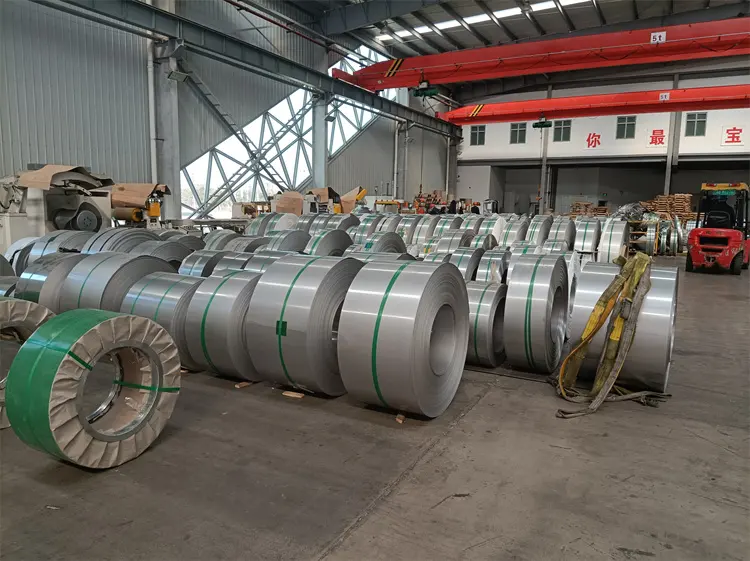
Magnetic efficiency stands as a cornerstone in modern motor design, directly influencing power output and energy consumption. Achieving optimal efficiency goes beyond simply selecting high-grade magnets; it involves a holistic approach that delves into material properties, geometric configurations, and thermal management. For instance, rare-earth magnets offer superior flux density, but their performance can degrade under varying temperatures and operational stresses. Designers must balance these factors by integrating advanced simulation tools to model magnetic circuits, ensuring minimal losses due to hysteresis and eddy currents. This precision elevates motor performance, making it crucial for applications like electric vehicles and industrial automation where every watt saved translates to extended operational life and reduced costs.
Innovative techniques such as flux-weakening and segmented magnet designs are pushing the boundaries of magnetic efficiency. By strategically distributing magnetic fields, these methods reduce core losses and mitigate saturation effects, which often plague motors under heavy loads. Additionally, the adoption of soft magnetic composites and laminated cores helps to minimize eddy current losses, a common inefficiency in high-frequency operations. These advancements are not just theoretical—they are being implemented in real-world prototypes, leading to motors that are not only more efficient but also more compact and durable, thereby enhancing overall system performance without compromising reliability.
Looking forward, the pursuit of magnetic efficiency is intertwined with emerging technologies like artificial intelligence and additive manufacturing. AI algorithms can optimize motor designs in real-time, predicting performance under diverse conditions and suggesting material tweaks for maximum efficiency. Meanwhile, 3D printing allows for intricate geometries that were previously impossible, enabling custom-tailored magnetic paths that further boost output. By embracing these cutting-edge approaches, engineers are crafting motors that excel in both efficiency and adaptability, setting new benchmarks for high-performance applications across various industries.
Key Factors Influencing Electrical Steel Selection for Import
When sourcing electrical steel from international markets, importers must weigh a range of specific factors to ensure optimal performance and cost efficiency. The first consideration often involves the steel's magnetic properties, such as core loss and permeability, which directly impact the efficiency of transformers and motors. For instance, grades like non-oriented electrical steel are chosen for their balanced magnetic characteristics in rotating equipment, while grain-oriented varieties excel in transformer cores due to their directional magnetic flow. Importers should request detailed material specifications and test reports from suppliers to verify these properties, as variations can lead to significant energy losses or operational issues in end-use applications.
Beyond technical specifications, logistical and compliance aspects play a crucial role in the selection process. Factors like lead times, shipping costs, and customs regulations can vary widely between countries, affecting the overall supply chain efficiency. For example, importing from regions with established trade agreements might reduce tariffs, but longer transit times could offset those savings. Additionally, ensuring that the steel meets international standards such as IEC or ASTM is essential to avoid legal hurdles and ensure compatibility with local manufacturing processes. Importers often prioritize suppliers with a proven track record in exporting to their region to mitigate these risks.
Cost considerations, while important, should not overshadow quality and reliability. The total landed cost, which includes the base price, taxes, shipping, and any potential rework expenses, must be evaluated against the steel's performance benefits. In some cases, opting for a slightly higher-priced premium grade from a reputable supplier can lead to long-term savings through improved energy efficiency and reduced maintenance. Importers are increasingly looking for suppliers that offer transparency in pricing and responsive customer support, as these factors enhance trust and facilitate smoother transactions in global trade.
Enhancing Motor Performance Through Advanced Steel Alloy Composition
In the competitive world of motor engineering, the quest for peak performance often hinges on the smallest details, and one of the most critical factors lies in the composition of steel alloys. By fine-tuning elements like carbon, chromium, and molybdenum, manufacturers can create materials that strike a balance between strength, durability, and weight—key traits that directly influence a motor's efficiency and lifespan. This isn't just about making steel stronger; it's about tailoring it to withstand high temperatures and resist wear, ensuring motors run smoother and longer in demanding environments.
Delving deeper, advanced steel alloys enable significant reductions in friction and heat generation, which are common performance killers in motors. For instance, alloys with precise microstructures can reduce energy loss through improved magnetic properties, leading to better torque and power output. This level of customization allows for motors that are not only more reliable but also more adaptable to specific applications, from automotive engines to industrial machinery, setting new benchmarks in the field.
Ultimately, the shift toward sophisticated steel compositions represents a paradigm shift in motor design, moving beyond traditional materials to achieve unprecedented gains. By optimizing alloy blends, engineers can push the boundaries of speed and efficiency, creating motors that are quieter, lighter, and more environmentally friendly. This focus on material science underscores a commitment to innovation, driving the industry forward and making high-performance motors more accessible than ever before.
Navigating Global Market Trends in Electrical Steel Sourcing
In today's rapidly evolving industrial landscape, staying ahead in electrical steel procurement requires a keen eye on shifting global trends. With growing demand driven by renewable energy projects and electric vehicle manufacturing, companies must adapt their sourcing strategies to balance cost, quality, and supply chain resilience. Factors like trade policies, regional production capacities, and technological advancements in steel grades can significantly impact availability and pricing, making proactive market analysis essential for securing reliable supplies.
One key challenge lies in navigating the geopolitical dynamics that affect electrical steel markets, as tariffs and export restrictions in major producing countries can create sudden disruptions. Forward-thinking firms are increasingly turning to diversified supplier networks and long-term contracts to mitigate risks, while also exploring innovations in material efficiency to reduce dependency on volatile sources. This approach not only ensures continuity but also fosters competitive advantage in an increasingly crowded sector.
Beyond just reactive measures, effective sourcing involves anticipating future trends such as the push for higher-efficiency steel grades and sustainability initiatives. By engaging with industry forums and leveraging data analytics, organizations can better predict market shifts and align their procurement practices with emerging standards, ensuring they're not just keeping pace but setting the tone for resilient and cost-effective supply chains.
Practical Tips for Cost-Effective Implementation in Motor Manufacturing
In motor manufacturing, achieving cost-effectiveness often starts with streamlining supply chains and optimizing procurement strategies. Many factories have turned to local or regional suppliers to cut down on logistics expenses and reduce lead times, which can significantly lower overall production costs while enhancing supply chain resilience.
Another practical approach involves adopting modular design principles for motor components. By standardizing parts and processes, manufacturers can scale production more efficiently, minimize waste, and simplify maintenance, leading to long-term savings and improved adaptability to market changes.
Leveraging data analytics for predictive maintenance is also a game-changer. By monitoring equipment performance in real-time, companies can identify potential failures before they occur, reducing downtime and extending the lifespan of machinery, which directly contributes to lower operational costs and higher productivity.
FAQ
Non-oriented electrical steel is prized for its high magnetic permeability, low core loss, and excellent electrical insulation. These properties reduce energy waste, enhance motor performance, and contribute to overall efficiency, making it a top choice in applications demanding minimal hysteresis and eddy current losses.
Low core loss minimizes energy dissipation as heat during magnetic cycling, directly boosting motor efficiency. This leads to cooler operation, longer lifespans, and reduced electricity consumption, which is especially vital in high-performance or continuous-use motors where even small losses add up significantly over time.
Thinner steel laminations reduce eddy current losses, improving efficiency, but can increase manufacturing complexity and cost due to handling challenges. Manufacturers often balance thickness based on motor design and application requirements to optimize both performance and production feasibility.
Key import factors include trade tariffs, supply chain reliability, quality certifications (like ISO standards), and compliance with environmental regulations. Sourcing from regions with robust manufacturing hubs can ensure consistent quality and timely delivery, though geopolitical factors may influence costs and availability.
Yes, it is highly recyclable, often reused in steel production without significant property degradation. This recyclability reduces environmental impact by cutting raw material extraction and energy use, aligning with sustainability goals in industries focused on eco-friendly motor designs.
Coatings, such as insulation layers, prevent interlaminar short circuits and reduce eddy currents, enhancing electrical efficiency. They also protect against corrosion and mechanical damage, ensuring long-term durability in harsh operating conditions, which is crucial for maintaining motor reliability and performance.
Conclusion
Non-oriented electrical steel serves as a critical component in modern efficient motors, where its core material characteristics, such as low core loss, high permeability, and minimal magnetic anisotropy, directly influence magnetic performance and energy efficiency. Understanding these properties enables designers to optimize motor performance by leveraging advanced steel alloy compositions that enhance magnetic flux density and reduce hysteresis losses. This optimization is essential for high-performance applications, where even minor improvements in magnetic efficiency can lead to significant gains in overall motor output and operational reliability. By focusing on tailored steel grades, manufacturers can achieve better thermal stability and mechanical durability, ensuring motors meet stringent industry standards for efficiency and longevity.
When importing electrical steel, key factors include navigating global market trends and sourcing high-quality materials cost-effectively. Import considerations should account for fluctuating supply chains, trade regulations, and regional variations in steel quality and pricing. Practical tips for implementation involve leveraging bulk purchasing, establishing long-term supplier relationships, and integrating steel selection into broader motor manufacturing processes to minimize waste and enhance profitability. By aligning material properties with design goals and market dynamics, companies can develop cost-effective yet high-performance motors that stand out in competitive environments, ultimately driving innovation and sustainability in the motor industry.
Contact Us
Contact Person: Zoe Liang
Email: [email protected]
Tel/WhatsApp: 86 189 2128 6299
Website: https://www.baowuchina.com