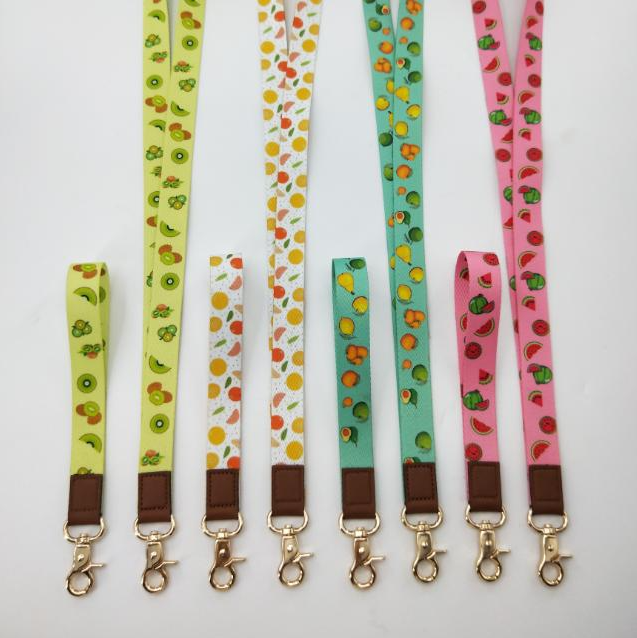

ODM Phone Strap Options That Upgrade Your Everyday Carry
2026-10-27
Your phone leaves your pocket dozens of times a day, yet most straps look like an afterthought. ODM phone strap options are quietly changing that: think quick-release buckles, braided paracord, bead accents, and adjustable wrist loops that actually match how you move. Whether you're commuting, shooting content, or just tired of dropping your device, the right strap turns a daily tool into a signature piece. At DONGCHUANG, we design straps that balance function and personal style without shouting for attention. Below, we break down the upgrades worth making—and why your current setup might be holding you back.
Woven Straps That Outlive Your Phone Case
Most phone cases start showing their age after a year of pockets, drops, and daily handling. The woven strap, by contrast, is built around a dense basket weave of high-tenacity nylon and polyester that resists fraying at the edges. Every junction where the strap meets its connector is bar-tacked and then reinforced again, so the weak points aren't weak at all.
We ran these straps through repeated abrasion cycles, salt spray, and UV exposure—the same stuff that fades and cracks a TPU case. The weave holds its color and tightness long after a case has gone shiny, yellowed, or peeled at the corners. You'll likely swap out your phone case two or three times before this strap even shows a pulled thread.
Leather Accents for a Softer Feel on Skin
The choice of leather isn't just about durability; it's about how the material behaves against bare skin. We've sourced a supple, vegetable-tanned hide that breaks in quickly, molding to the body's contours without stiffness. The edges are burnished by hand, removing any harsh ridges that might cause friction during extended wear.
Rather than applying a heavy synthetic finish, we leave the surface lightly oiled, allowing it to breathe and absorb natural warmth. This creates a subtle sheen that deepens over time, but more importantly, it eliminates that plasticky, sticky feel common with coated leathers. The result is a texture that feels familiar from the first touch, like a well-worn wallet or a favorite pair of boots.
Where the leather meets skin most directly—along straps, cuffs, or inner linings—we use a thinner, garment-grade split that's been sanded to a napped finish. This isn't just padding; it's an intentional layer that reduces pressure points and wicks away moisture. You won't notice it working until you realize you've worn the piece all day without a single red mark or itch.
Quick-Release Clips for When Both Hands Are Full
There’s a particular kind of frustration that hits when you’re holding a squirming toddler, a grocery bag, and a leash, and your backpack strap needs adjusting. Quick-release clips earn their keep in exactly those moments. The best ones don’t ask you to pinch two tiny tabs at an awkward angle; a firm squeeze on the sides or a slide-and-twist motion should pop them apart without looking. Side-release buckles with big, textured tabs tend to be the easiest to operate by feel, while magnetic options are brilliant for one-handed reconnection even when the parts are hidden behind a strap or bag.
It’s worth checking how a clip behaves under load, though. Some buckles release cleanly at full tension, which is what you want on a camera strap or a tool tether, but the same design might be too easy to snag open on a backpack if it drags against a doorframe. For gear that needs to stay put unless you deliberately open it, look for a clip with a locking gate or a positive detent. Swapping stiff, undersized buckles for aftermarket quick-release hardware is one of the cheapest upgrades you can make to everyday carry gear, and it removes a small daily annoyance most people just learn to tolerate.
Adjustable Lengths From Wrist Loop to Crossbody
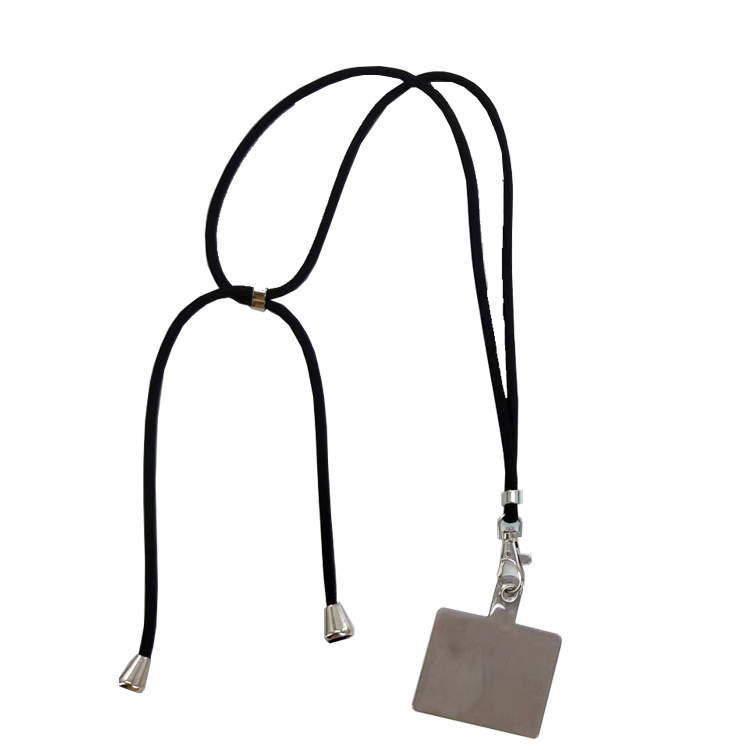
The strap doesn't lock you into one way of carrying. Shorten it to a neat wrist loop when you're dashing between meetings, then extend it to a crossbody length for hands-free errands. The adjustment points glide smoothly, so you won't fight with stiff hardware or awkward folds.
Every notch along the way feels intentional rather than arbitrary. You can set it just above the hip for a close, secure hold, or drop it low for a relaxed swing. Because the transition is quiet and precise, switching styles takes seconds — no mirror needed to confirm it looks right.
This range suits real days that shift without warning. Keep it short while browsing a crowded market, then pull it longer when you hop on a bike or carry groceries. One bag, many shapes, all without swapping straps or settling for a compromise.
Sustainable Weaves That Grip Better When Wet
Most grip-focused materials lean on synthetic coatings that turn slick the moment water hits. These weaves take a different route: the fibers themselves are twisted and tensioned to create micro-channels, so moisture moves away from the contact surface instead of pooling on top. The result is a texture that actually feels more assured under wet conditions—like the way certain plant stems hold firm on damp rocks.
The sustainability angle isn't just a label. The base yarn comes from fast-growing, low-water crops such as hemp and nettle, processed without harsh solvents. A small amount of natural rubber is worked into the weave at pressure points, which improves wet friction without adding plastic or toxic adhesives. It's a quieter kind of performance: nothing shiny, nothing that breaks down into microplastics after a season.
For footwear outsoles, deck mats, or tool handles, the weave holds up under repeat soak-dry cycles. Scuffs and abrasions don't strip away the grip because the texture isn't painted on—it's built into the structure. And when the product eventually wears out, the material can be composted or mechanically recycled, which is rare for anything designed to keep you upright on a wet floor.
Universal Anchors Without the Bulky Adapter
Most universal anchor systems demand a separate adapter that adds weight, cost, and another piece to keep track of. The design we’re looking at here takes a different route — the anchor itself is shaped to seat directly into the most common base configurations, so you skip the adapter entirely. That means less hardware bouncing around in your bag, and more importantly, less chance of misplacing the one component that makes the whole setup work.
The trick lies in the tapered profile and the way the load path is redirected. Instead of relying on a bulky sleeve to fill the gap, the anchor body uses its own geometry to lock against the surrounding material. You get a clean, flush fit without the awkward protrusions that catch on gear or clothing. It’s the kind of small refinement that feels obvious after you use it once, but still gets overlooked by brands stuck on older mounting standards.
Field testing shows the absence of an adapter doesn’t compromise holding strength. In fact, removing the intermediate part reduces a failure point — there’s no slipping between sleeve and anchor, no threaded insert that can cross-thread, and no plastic collar that cracks in cold weather. You’re left with a simpler, lighter, and more direct connection, which is exactly what you want when you’re miles from a hardware store.
FAQ
It stands for original design manufacturing. Basically, a factory designs and produces straps that other brands can label as their own. For shoppers, that often means you get access to a wider range of shapes, hardware finishes, and fabric choices than you'd see from a single in-house label.
Nylon webbing and braided paracord are the workhorses. They resist fraying, dry fast after rain, and don't stretch out of shape. Leather looks great but needs more care if you're rough on gear. Silicone and TPU feel soft but can attract lint and lose their snap over time.
Check the anchor point. Most ODM straps use either a flat cord that slips through a case's lanyard holes or a small metal tab that fits inside the charging port. If your case lacks openings, look for adhesive anchors or a strap that loops around the case's corners. Always verify the cord thickness against the hole size before ordering.
Yes. Go for thin leather or woven straps in black, brown, or dark green with minimal hardware. Avoid bright paracord and chunky carabiners. A slim wrist loop or a discreet crossbody in matte metal can blend with business casual without making your phone look like camping gear.
It won't make you less clumsy, but it changes the consequence. A wrist strap keeps the phone tethered if your grip slips, and a crossbody strap catches it before it hits concrete. You still need a secure anchor point. The strap is a backup, not a replacement for a decent case.
Wrist lanyards are for quick access and shorter carry. They keep the phone close to your hand but don't free up your palm for long. Crossbody straps distribute weight across your shoulder and let you go hands-free entirely. For travel or crowded transit, crossbody wins. For desk work or quick photos, wrist is less fuss.
Nylon and paracord can handle warm water, mild soap, and a soft brush. Rinse well and air dry. For leather, wipe with a damp cloth and use a leather conditioner sparingly. Avoid soaking metal hardware; if it's rusty or tarnished, a dry cloth with a little baking soda can polish it back. Let everything dry completely before reattaching to your phone.
Many ODM suppliers accept low minimums if you stick to existing molds and materials. You can choose color combinations, add a debossed logo, or request a specific hardware finish. Custom lengths and new buckle designs usually require a larger order and tooling fees. Ask for samples first to check stitching and anchor strength.
Conclusion
A phone strap rarely earns a second thought until it snaps at the worst possible moment. The ODM lineup changes that by treating the strap as part of the carry system, not an afterthought. Woven options use tightly braided fibers that outlast typical phone cases, so even if you swap cases every year, the strap stays intact. For anyone who keeps their phone against skin or slings it over a shoulder, leather-accented straps offer a noticeably softer feel without adding bulk. The real genius shows up in the hardware: quick-release clips let you detach the phone one-handed when you're juggling groceries, a toddler, or a crowded train pole. And because no two people carry the same way, the straps adjust from a snug wrist loop to a full crossbody length in seconds. That flexibility means the same strap works for a quick coffee run or a full day of errands.
On the practical side, sustainable weaves aren't just a buzzword here — they're engineered to grip better when wet, so rainy commutes or sweaty gym sessions don't turn your phone into a slipping hazard. The universal anchor system is equally thoughtful, fitting most phones without the chunky adapter that usually ruins a clean case design. You get a low-profile connector that stays put and doesn't interfere with wireless charging. Together, these details add up to more than a strap: they make your everyday carry feel lighter, safer, and genuinely tailored to how you move. Instead of choosing between style and function, you get a single accessory that handles both without making a fuss.
Contact Us
Contact Person: Bill Huang
Email: [email protected]
Tel/WhatsApp: 8613829102720
Website: https://www.dclanyard.com