

OEM RPET Bags Are the Eco-Friendly Upgrade Your Brand Needs
2026-11-21
Most brands chase sustainability with the same tired playbook, but your packaging doesn't have to blend in. OEM RPET bags turn recycled plastic into a quiet statement: your brand cares about more than just the sale. At CHALLENGE WOLVES, we've seen how the right bag turns a routine unboxing into a reason to remember you. Here's what makes RPET the upgrade your competitors are still overlooking.
Where Recycled PET Actually Comes From and Why It Holds Up
A lot of the recycled PET that ends up in new packaging never sits in a curbside bin. Bottles collected through deposit schemes in Germany, Norway, or California tend to arrive baled by color and polymer type, which matters more than most people realize. Mixed-waste sorting facilities contribute another stream, pulling clear and light-blue bottles off conveyor lines before they get crushed with glass and paper. Beyond household waste, factories that thermoform clamshells and cups generate clean, uniform skeletons and edge trim that never touched a consumer's hands. In regions with weak municipal collection, small-scale aggregators gather bottles from rivers, beaches, and informal dumps, then sell compact bales to brokers who feed the same global reuse chain. The source is rarely one place; it is a patchwork of systems with very different contamination profiles.
Recycled PET holds up because the polymer itself is surprisingly forgiving when the feedstock is handled properly. Clear bottle flakes are ground, washed in hot caustic solutions, and run through density tanks so polypropylene caps and polyethylene labels float away. What remains is a relatively clean PET flake, but the heat history from drying and extrusion has already shortened some molecular chains. That is why many processors use solid-state polymerization to rebuild intrinsic viscosity before the resin is pelletized. By holding the material under vacuum at temperatures just below its melting point, the chains reconnect and the melt strength returns close to virgin levels. This extra step is expensive, yet it is the reason food-grade rPET can be blown into carbonated bottles without creeping deformation or sudden base cracks.
That does not mean every batch of rPET behaves identically. A batch sourced from clear bottle bales will carry less yellowing and fewer gel particles than flake coming from mixed thermoforms, so converters often blend lots to keep color and impact resistance steady. When the sorting and washing line removes PVC labels, adhesives, and silicone coatings before extrusion, the final material avoids the hard spots that cause pinholes or tear-outs in thin-walled packaging. The durable character of rPET, in other words, is not a fixed property. It is created by boring, unglamorous controls: tight bale specs, aggressive washing, careful melt filtration, and enough residence time in the solid-state reactor. Those controls determine whether the recycled resin merely looks like PET or actually performs like it.
OEM Production Runs That Keep Waste Low and Quality High
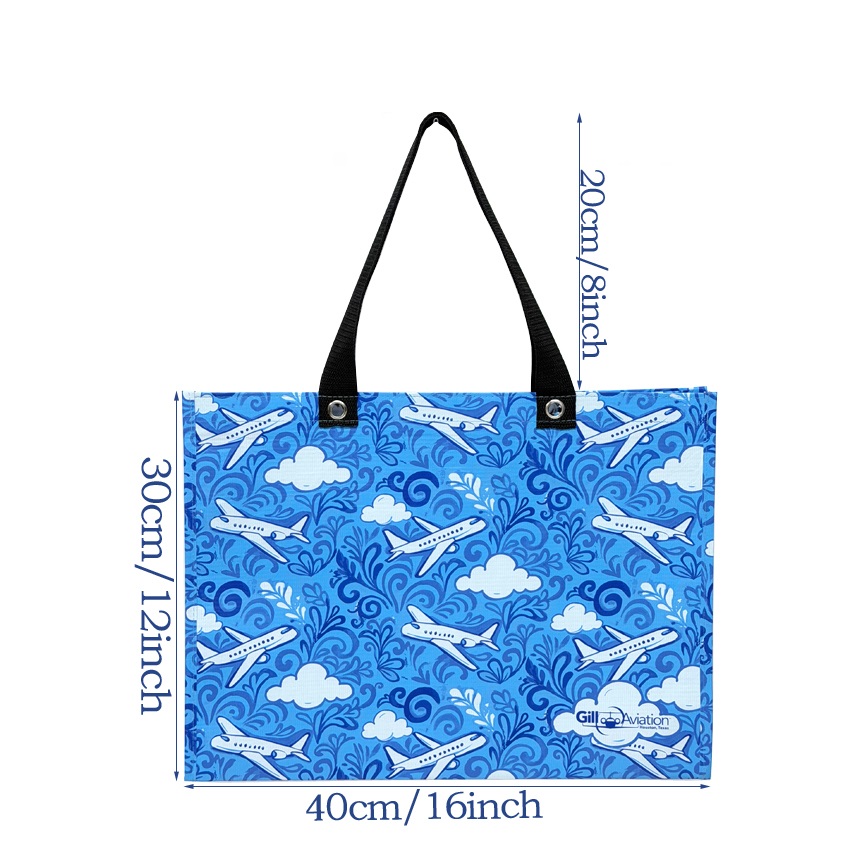
Cutting down on waste in OEM production isn’t just about trimming scrap bins or tweaking line speeds. It starts with how a run is planned. When tooling changeovers are mapped to minimize idle time and raw materials are cut using nested layouts that squeeze every usable inch, the result is fewer rejected parts before they ever reach inspection. Small decisions, like choosing a supplier who batches similar orders together or adjusting cooling times instead of discarding warped units, quietly reshape the entire cost structure.
Quality control tends to fail when it’s bolted on at the end. The better approach is to build checkpoints into each stage where variation actually creeps in. For example, monitoring melt temperature during injection molding and torque consistency during assembly catches drift while a run is still recoverable. This makes the “high quality” part less about heroic sorting and more about keeping conditions stable enough that the final audit rarely finds surprises.
A well-run OEM line keeps both goals moving together rather than trading one for the other. Lower waste often means fewer interruptions, which in turn means operators aren’t rushing to make up lost time and introducing defects. Over successive runs, the data shows that the same adjustments which prevent material loss—tighter fill ratios, smarter purge cycles, better regrind blending—also tighten dimensional consistency. That’s the practical sweet spot: fewer bins headed for landfill and fewer units headed back for rework.
Custom Shapes and Finishes Without Sacrificing Recycled Content
Working with recycled plastics often brings up a familiar concern: you have to settle for dull colors, limited forms, or a slightly rough surface. The assumption is that once you commit to a high percentage of post-consumer or post-industrial material, you lose the freedom to create distinctive profiles, precise angles, or tactile finishes. In practice, that trade-off is no longer automatic. Advances in material sorting and compounding mean recycled resins can hold tight tolerances and accept a wide range of textures and coatings without losing their environmental value.
The real work happens in the design and tooling phase. Rather than forcing a recycled material into a mold built for virgin resin, the geometry is adjusted to match the flow and shrink behavior of the specific recycled grade. This allows for custom extrusions, deep draws, and complex wall thicknesses that were once considered too risky. Finishes such as soft-touch matte, brushed grain, or high-gloss surfaces can be achieved by tuning the processing temperature, adding a thin cap layer, or using mechanical post-processing instead of heavy chemical treatments.
What makes this approach practical is that it treats recycled content as a base material with its own character, not as a downgrade from a perfect original. Slight variations in color or melt index become part of the manufacturing strategy rather than defects to hide. The result is a product line where clients can choose the silhouette, edge detail, and surface feel they actually want, while keeping the recycled percentage high enough to meet strict procurement or sustainability targets.
The Carbon Math Behind Switching to RPET Bags
Most conversations about RPET bags start with an intuitive swap: replace oil-based plastic with recycled bottles and the footprint drops. The actual arithmetic is less linear. A virgin PET pellet carries roughly 2.5 to 3 kg of CO2e per kg of resin before it reaches a converter, while high-quality recycled PET flake often lands between 0.8 and 1.5 kg. That gap narrows when collection, sorting, hot washing, and transport are included, so the benefit depends heavily on where the waste is sourced and how the recycling plant runs.
Energy source changes the math quickly. A recycling line that uses coal-heavy electricity can erase much of the advantage that recycled content creates. In a plant running on renewables, the carbon curve shifts further, sometimes cutting total bag emissions by 40 to 60 percent compared with virgin equivalents. The real difference is not the material alone; it is the upstream decisions about electricity, water heating, and logistics.
There is also a ceiling worth acknowledging. RPET bags still shed microplastics, still degrade after repeated use, and still require a disposal pathway. They are a reduction, not a closed loop. For companies doing honest carbon accounting, the useful number is not the marketing claim on the label but the emissions per usable lifetime, including replacement rates. That is where a thinner recycled bag can lose to a durable reusable if it fails early or gets discarded after one season.
How to Talk About Recycled Bags Without Sounding Generic
Most recycled bag descriptions lean on the same tired phrases: eco-friendly, sustainable, made from plastic bottles. That language has become wallpaper. If you want someone to actually care about the bag in front of them, talk about what the material used to be, not just what it is now. Mention the fishing nets pulled from a harbor, the factory offcuts that were headed for incineration, or the single-use packaging that got a second life as a structured tote. Specifics like “woven from fourteen reclaimed rice sacks” do more than generic green words ever will.
Another way to avoid sounding generic is to describe the hand feel and the imperfections that come with recycled inputs. A bag made from post-industrial cotton might have tiny flecks of color from its previous life. A material blended from ocean plastic often has a slightly uneven texture that makes each piece a little different. Calling attention to those details — the slight slub in the weave, the faint variation in tone — signals that you’re talking about a real object, not a stock product photo with a green leaf icon next to it.
Finally, skip the lecture. Instead of telling people to save the planet, show them what the bag is good at: does it fold flat for a daily commute, hold its shape under a laptop, shrug off rain in a bike basket? When the recycled material is tied to a practical benefit — like how the dense weave of reclaimed canvas resists sagging better than new cotton — the sustainability angle feels like a bonus, not a guilt trip. That’s the difference between a generic eco bag and one someone will reach for every morning.
Care and End-of-Life Options That Extend a Bag's Usefulness
Most bags give up long before they have to, and the difference often comes down to how they are cleaned and stored. Wiping down a canvas tote after heavy use, conditioning a leather satchel every few months, and keeping bags stuffed with acid-free paper in a dry, shaded spot can prevent the small cracks, faded patches, and mildew smells that push people toward replacement. It sounds fussy, but once the routine becomes habit, it adds years without much effort.
When damage does appear, repair usually beats replacement. Zippers can be swapped, torn linings patched, frayed straps re-stitched, and scratched hardware polished or replaced for far less than the cost of a new bag. Some cobblers and leather shops handle these fixes, and a number of brands run repair or refurbishment programs even for older models.
At the point where a bag truly cannot be carried anymore, its materials can still have a second life. Straps become dog leashes or tool ties, leather panels turn into wallets or key fobs, and fabric sections work as patching material or rag rugs. If DIY is not appealing, textile recyclers and brand take-back schemes may accept worn bags and break them down for reuse instead of sending them to landfill.
FAQ
RPET starts with recycled plastic bottles, so every bag gives single-use plastic a second life instead of adding more virgin material to the pile. The best part is that customers often can't tell the difference until they read the label.
Yes, the material has come a long way. Depending on the weave and coating, it can feel like sturdy canvas or a softer, brushed fabric. Brands can add leather-look handles, embossed logos, or contrast stitching to push it further upscale.
Nearly everything — dimensions, handle length, closure type, lining, print placement, and even the texture of the fabric. Some manufacturers also offer recycled trims and water-based inks if you want the whole bag to stay as clean as the story behind it.
In most cases, yes. A well-made RPET bag with reinforced seams and bar-tacked handles can handle a full grocery run or a laptop plus daily essentials. Ask for a sample and load it up before committing — that's the quickest way to separate the sturdy options from the flimsy ones.
Each bag typically keeps several plastic bottles out of landfills or oceans, and because it's reusable, it avoids the need for hundreds of single-use bags over its lifetime. It's not a magic fix, but it's a meaningful shift when scaled across a brand's customer base.
Plenty of shoppers look for recycled materials now, especially if the bag itself doesn't feel like a compromise. If the design is good and the recycled content is called out in a simple, honest way, it often becomes part of the brand story people remember.
This depends on the supplier, but OEM orders often start in the low-to-mid hundreds with production taking a few weeks after sample approval. Custom colors, prints, or hardware can stretch the timeline, so it's smart to lock in specs early.
RPET tends to sit in a comfortable middle ground. It can be more affordable than organic cotton while feeling more substantial than many basic nonwoven bags. The exact cost depends on fabric weight, size, and trim, but the value is often better when you factor in durability and brand perception.
Conclusion
Switching to OEM RPET bags changes more than the material on a spec sheet. The recycled polyester starts as discarded bottles and post-industrial scrap, then gets melted, filtered, and spun into a fabric that holds its shape through daily use. Because production is handled as an OEM run, waste is controlled at the cutting table and sewing floor instead of being treated as an afterthought. Custom shapes, linings, zipper finishes, and printed details can still be adjusted to match your brand, while the main shell keeps a high share of recycled content. The result is a bag that feels intentional rather than preachy.
The benefit also appears in the numbers. Compared with virgin polyester, RPET carries a lower carbon load per bag, and those savings grow when a production run avoids excess inventory and rework. When you describe the switch, it helps to focus on concrete details: where the bottles were collected, how many were diverted, and why the seams and zippers were chosen for repair instead of disposal. Simple instructions for washing, restitching, or returning worn bags for recycling can extend the product's life well beyond the first campaign. None of that reads as generic sustainability copy, because it ties the material to the actual bag your customer will carry.
Contact Us
Contact Person: Tony
Email: [email protected]
Tel/WhatsApp: +8615859766913
Website: https://www.cw-pak.com