
OEM Shower Gel Maker: Crafting Custom Shower Gel for Your Brand
2026-09-08
Most off-the-shelf shower gels smell the same, feel the same, and do little to make your brand memorable. That’s where Wilson steps in. As a dedicated OEM shower gel maker, we help you move beyond generic formulas and craft a product your customers actually notice on the shelf—and keep reaching for in the shower. Here’s what to expect when you build your custom shower gel with Wilson.
Questions Worth Asking Before You Pick an OEM Shower Gel Partner
Before you sign anything with a shower gel manufacturer, ask how flexible their minimum order quantities really are. If you want to test a new fragrance or run a small seasonal drop, does the production schedule bend or do you get hit with the same flat minimum every time? That detail tells you more about the partnership than any brochure.
Formulation transparency matters just as much. You don’t need every trade secret, but you do need to know how the gel base holds up in hard water or humid climates, and whether the lab can adjust preservatives for a market with tighter restrictions. A decent partner will talk about failed test batches as openly as the wins.
Finally, ask what happens after the first production run. Can they match that exact viscosity and scent strength six months later? What’s the backup plan if a fragrance supplier discontinues a key raw material? Those questions feel minor on a call, but they’re the ones that show up later as reformulations and chargebacks.
The Lather Your Customers Remember: Getting Texture and Scent Right
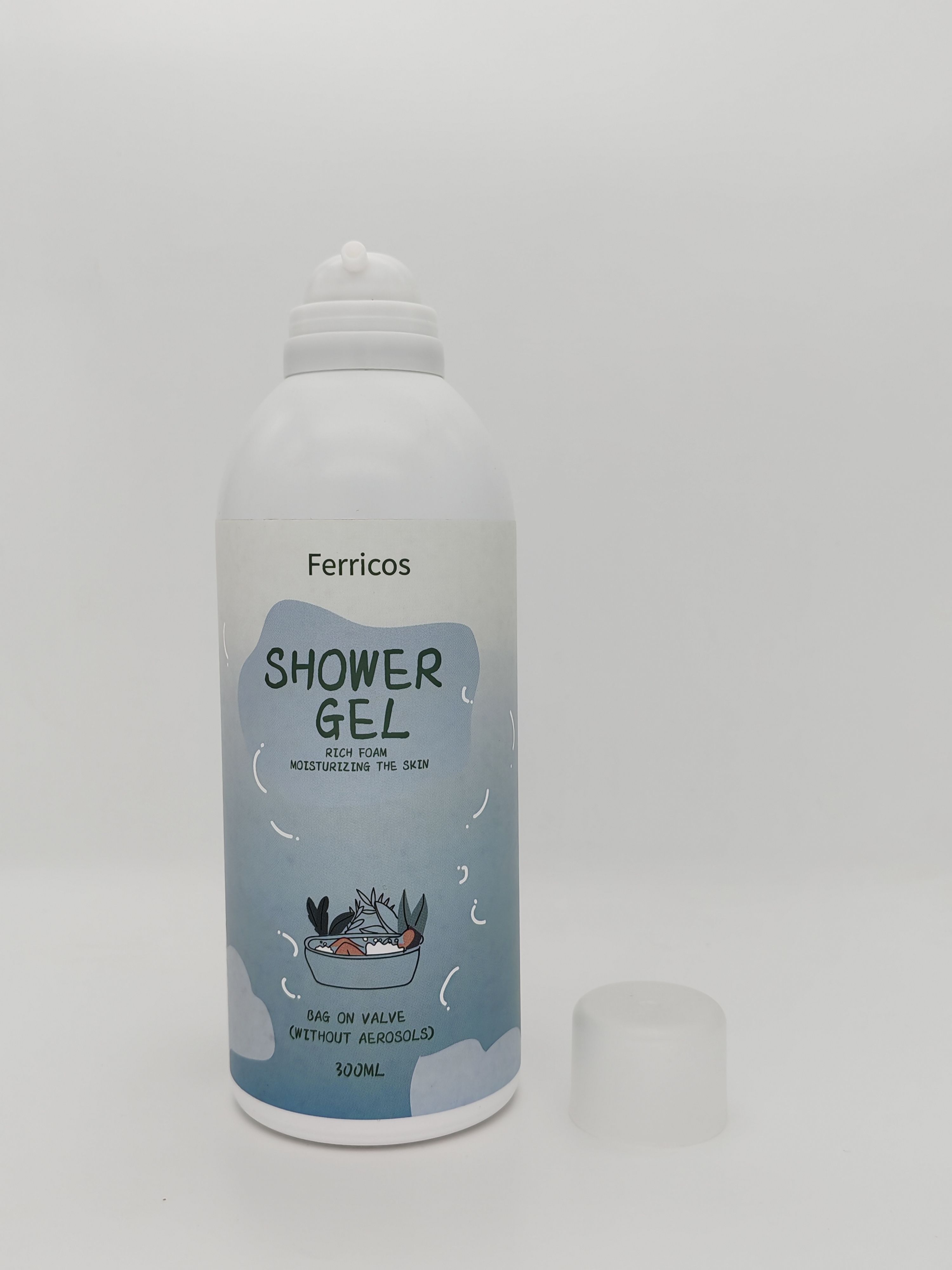
The foam that builds in your palms tells a story before the first rinse. A lather that collapses too quickly feels thin, almost apologetic, while one that peaks into dense, slow-moving clouds suggests richness and care. The trick is in the water-to-product ratio and the patience of working it between your fingers. Customers notice when a soap or shaving cream creates a texture that actually cushions the skin, instead of just sliding off. That physical sensation becomes a quiet marker of quality they’ll associate with your brand long after the sink is dry.
Scent works in the same visceral way, but it has to be layered. Start with something familiar—citrus, cedar, lavender—then introduce a note that feels unexpected, like black pepper or wet stone. Too many products drown in one-note sweetness or generic “fresh” blends that vanish once the lather is applied. A memorable lather pairs a steady, medium-body foam with a fragrance that opens up on the skin, changing slightly as the water warms it. That subtle shift keeps the experience from feeling static or mass-produced.
The real differentiator is consistency. You want that same rich texture and that same scent evolution across every use, whether it’s the first scoop from a new jar or the last stubborn bit at the bottom. Customers come back because they’ve learned to trust the lather—knowing it will cushion, knowing it will release its scent in stages. That’s what turns a routine wash into a small ritual worth remembering.
Minimums, Timelines, and the Art of a Fair Production Deal
Minimums are rarely just numbers on a spec sheet. They reflect how much risk each side is willing to absorb before the first unit rolls off the line. A factory may ask for a high minimum to justify tooling and setup costs, while a brand might push for a low run to test the market. The real negotiation happens underneath that figure: who owns the unsold inventory, who pays for raw materials, and what happens if the order gets cancelled after materials are cut. Settling the minimum without settling those questions often leads to a deal that looks solid on paper and unravels on the first change order.
A timeline that looks clean on a whiteboard can turn hostile by week three. What matters is not the promised date but the buffer built around it. Experienced production partners tend to quote shipping windows rather than exact days, and they know the difference between a lead time for materials, a production slot that can shift, and a logistical handoff that eats days without warning. A fair production deal spells out what happens when a milestone slips: whether there is a penalty, a renegotiation, or simply a shared calendar update. Without that clarity, the timeline becomes a weapon instead of a plan.
Fairness in a production deal is less about equal splits and more about aligned incentives. The art lies in writing terms that keep both parties honest without handcuffing either one. That might mean a tiered payment schedule tied to verified progress, a clause for raw material price swings, or a simple rule that neither side can change specifications without a written cost impact note. Deals that feel fair tend to survive because each party can point to a specific clause and remember why they signed. The ones that fall apart usually do so not because someone acted badly, but because the paper never described what would happen when things went sideways.
From Your Brief to the Filling Line: What Actually Happens Next
Once your brief lands with the production team, it doesn't sit in a queue waiting for a sales pitch. The formulators pull it apart line by line, checking for conflicts between the texture you want and the actives you've listed. A silicone-heavy serum won't hold a 15% vitamin C suspension without some creative emulsifier work, so that's where the real conversations start—often before you ever see a sample.
From there, the lab bench gets busy. Small-scale batches are mixed, checked for pH drift and separation, then left on stability shelves that mimic bathroom humidity and sunlight. What survives gets sent to you, but what fails teaches the team more. That iterative loop between your feedback and the bench is where the formula stops being a brief and starts becoming a product.
Once the sample is signed off, the handoff to filling isn't automatic. Packaging compatibility tests run in parallel—pump mechanisms, airless bottles, tube crimping—because a perfect cream can still split or clog in the wrong container. Only after those checks clear does the batch ticket get issued, scaling the formula from a 500-gram lab beaker to a 500-kilo main vessel without losing the texture you approved.
Choosing Ingredients That Do More Than Fill Space on a Label
Many brands treat ingredient lists as a checkbox exercise—tossing in a trendy extract or a token botanical just so the packaging looks credible. But a label is not a trophy case. Every component you include should either protect the formula, enhance absorption, or deliver a real functional benefit. If an ingredient cannot explain why it is there beyond marketing appeal, it is just taking up space. The best formulations are lean on paper but heavy in performance, where each entry has a clear job and no redundant passengers.
The difference becomes obvious in the texture and the results. Fillers and vague “skin conditioners” often dilute actives, create unnecessary residue, or force the addition of corrective agents later. Instead of piling on more names to impress, a smarter approach is to choose multi-tasking ingredients—those that stabilize the emulsion while also contributing to barrier repair, or act as both a solvent and a penetration enhancer. This reduces the total number of items on the list, yet each one works harder. It makes the formula feel cleaner on the skin and simpler to understand.
Ultimately, a label should read like a short list of trusted collaborators, not a crowd of strangers. When every ingredient has a purpose that can be explained in one sentence—beyond “consumers recognize it”—the product becomes easier to formulate, test, and defend. That clarity also translates to the user experience: fewer random additions mean less chance of irritation or instability. So before adding another buzzy name, ask what it actually does inside the jar and for the person using it. If the answer is only “it looks good on the box,” leave it out.
Packaging That Stops the Scroll and Starts the Sale
The moment a product tile appears in a feed, the packaging has roughly a second to earn a tap. Matte finishes, unexpected color blocking, or a bold but readable typeface can pull the eye away from the endless scroll. It’s less about shouting and more about creating a visual pause—something just off-center enough to feel deliberate.
That pause becomes a sale when the packaging answers a quick, unspoken question: “What will this add to my day?” Clear benefit cues on the front, a texture that suggests quality in the hand, and a shape that photographs well from a top-down angle all do quiet work. Buyers rarely read paragraphs in the first pass; they read color, shape, and contrast.
Brands that win here treat the package like a thumbnail for real life. A matte navy box with a single orange stripe may not scream, but it stops. A squat jar with a cork lid suggests slow mornings, not just moisturizer. When the packaging itself becomes the reason someone pauses mid-scroll, the click feels less like a gamble and more like a small promise already kept.
FAQ
A capable partner takes your rough idea—say a mood, a texture, or a hero ingredient—and turns it into a finished formula. They source surfactants, adjust viscosity, run stability tests, and often handle filling and labeling, so you can focus on brand voice instead of lab work.
You can go far beyond picking a stock scent. Reputable makers let you tweak pH, foam density, color, pearl effect, and even the after-feel on skin. If you want a sulfate-free base with cold-pressed botanicals or a specific preservative system, that is usually negotiable.
Many OEM partners start around 3,000 to 5,000 units per variant, though smaller runs are possible if you choose a stock base and simple labeling. Ask about tiered pricing—committing to a larger batch often drops the per-unit cost noticeably.
Budget roughly four to eight weeks for formulation and stability testing, then another two to four weeks for filling and packaging, depending on component lead times. Rush orders exist, but giving the lab breathing room usually yields a better result.
Yes, and it is often the smartest first move. You choose an existing tested base, add your fragrance and label, and launch quickly. Later, once you have sales data, you can invest in a bespoke formula with a lower risk of getting it wrong.
Ask for documentation like GMP or ISO certifications, request a sample kit, and check if they have experience with your target market—especially if you need vegan, cruelty-free, or pH-balanced claims. A short video call with their formulator can reveal more than a polished brochure.
Work with the maker's fragrance house to build the scent in layers—top notes for the initial sniff, middle notes for lather, and base notes that linger subtly. Request blind tests against a benchmark product, and never approve a scent from a dip strip alone; try it in warm water.
Many OEM makers offer turnkey services: they can source bottles, pumps, and labels, then fill and pack under your brand. Give them clear dieline files and a brand mood board, and ask for a physical mock-up before mass production to avoid alignment or leakage surprises.
Conclusion
Finding the right OEM shower gel maker starts long before any formula gets mixed. You need to ask sharp questions: how flexible is their base library, what does their sample turnaround look like, do they keep regulatory documentation ready for your market, and what happens when your batch has a quality variance? Texture and scent are where loyalty is won or lost. A memorable lather isn't just about thick foam; it's about how the bubbles break, how the skin feels afterward, and whether the fragrance lingers in a way that matches your brand's promise. So push beyond generic "refreshing" notes and test the dry-down on actual skin, not just blotters. Then there's the deal itself: minimum order quantities can hide real costs, timelines often slip around holiday production windows, and a fair contract spells out payment milestones, raw material sourcing, and penalty clauses for late delivery. From your brief to the filling line, expect a loop of lab samples, stability chambers, preservative challenge tests, and small pilot runs before anything touches a bulk tank. The more you understand those steps, the fewer surprises you'll face when the first pallets arrive.
Ingredients should do real work, not just decorate a label. Mild surfactant blends, glycerin for moisture pull, maybe oat beta-glucan or panthenol for skin soothing—these give customers a reason to repurchase, while filler extracts and meaningless "natural" claims just invite skepticism. Packaging also needs to stop the scroll and start the sale. A bottle that feels heavy in the hand, a pump that dispenses the right dose without dribbling, a matte label with a single bold color cue can communicate more than a dozen adjectives. Pair the visual with the sensory: if the scent is bright and citrusy, let the label layout breathe with white space; if it's creamy and warm, use rounded type and a soft-touch finish. When partner vetting, formula testing, production timelines, ingredient choices, and packaging details move in the same direction, your custom shower gel stops being a generic private-label item and becomes a product people actively look for on the shelf.
Contact Us
Contact Person: Simon
Email: [email protected]
Tel/WhatsApp: +86 13267966849
Website: https://www.wilsoncosmetic.com