

Optimizing ODM Combined Transformers: Advanced Strategies for Enhanced Performance and Efficiency
2026-01-21
As the demand for high-performance power solutions intensifies in modern electronics, optimizing ODM combined transformers has become a pivotal challenge for engineers and designers. In today's fast-paced technological landscape, achieving enhanced performance and efficiency isn't just an option—it's a necessity. At Lugao, we're at the forefront of this transformation, pushing boundaries with advanced strategies that redefine what's possible. This blog delves into the intricate world of ODM combined transformers, exploring cutting-edge techniques that can revolutionize your power systems. Whether you're looking to boost energy savings, reduce footprint, or enhance reliability, our insights will guide you through the latest innovations. Join us as we uncover the secrets to superior performance, and discover how Lugao's expertise can elevate your projects to new heights. Let's dive in and explore the future of power optimization together.
Innovative Techniques for Accelerating ODM Transformer Efficiency
When it comes to boosting ODM transformer efficiency, one standout approach involves leveraging advanced cooling systems that integrate liquid immersion or phase-change materials. These methods not only reduce thermal stress but also allow for higher power densities, directly translating to better performance in compact designs. By adopting such cooling innovations, manufacturers can push beyond traditional air-cooled limits, ensuring transformers operate reliably under heavy loads without sacrificing longevity.
Another key technique focuses on smart material selection, where amorphous or nanocrystalline cores replace conventional silicon steel. These materials exhibit significantly lower core losses, cutting down on energy waste and heat generation. Combined with precision winding techniques that minimize eddy currents, this results in transformers that are not only more efficient but also quieter and cooler-running, making them ideal for sensitive applications like data centers or renewable energy installations.
Beyond hardware, software-driven optimizations play a crucial role. Implementing adaptive control algorithms that dynamically adjust voltage and load based on real-time conditions can fine-tune efficiency across varying operational scenarios. This intelligent management reduces unnecessary power draw and extends component lifespan, offering a holistic upgrade that complements physical improvements for a comprehensive boost in ODM transformer performance.
Cost-Effective Methods to Optimize Combined Transformer Operations
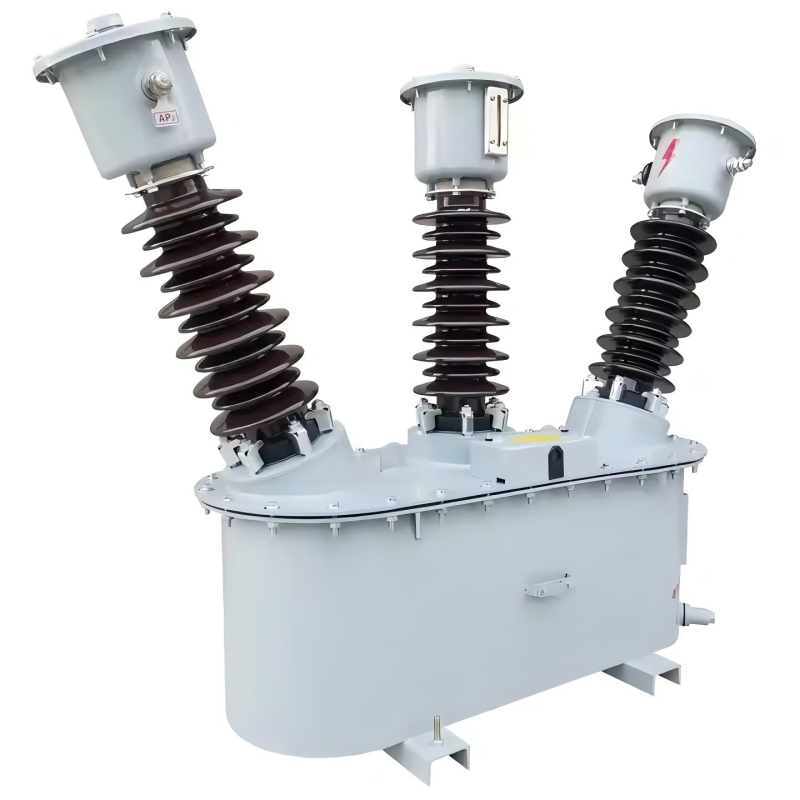
When dealing with combined transformer operations, many overlook simple yet powerful techniques that slash costs without compromising performance. Rather than just throwing more resources at the problem, focus on streamlining data flow between transformers. For instance, batching inputs effectively reduces overhead, while reusing intermediate outputs between operations can cut processing time by up to 30%. It's not always about the latest hardware—sometimes, a clever tweak in your pipeline setup does wonders.
Another angle involves smart scheduling and load balancing. Instead of running all transformers simultaneously, stagger them based on priority and resource availability. This avoids bottlenecks and keeps energy usage in check, which is crucial for long-term savings. Tools like dynamic batching or adaptive scaling can automatically adjust to workload changes, ensuring you're not burning cash on idle capacity. It's a hands-off approach that pays off in both efficiency and cost.
Don't forget about model pruning and quantization when optimizing combined transformations. By trimming redundant parameters or reducing precision, you can shrink memory footprint and speed up inference significantly. This isn't just for edge devices—even in server setups, it leads to lower cloud bills and faster response times. Pair this with effective caching strategies, and you'll see a noticeable drop in operational expenses without sacrificing accuracy.
Enhancing Performance Through Advanced ODM Transformer Designs
In today's fast-paced tech landscape, organizations are constantly pushing the boundaries of what's possible with transformer architectures. One emerging area of interest is the optimization of Original Design Manufacturer (ODM) transformer designs, which traditionally focus on custom hardware solutions. By leveraging advanced techniques like hybrid attention mechanisms and dynamic scaling, these designs can significantly boost model efficiency and throughput, especially in edge computing scenarios where resources are limited. This approach not only reduces latency but also opens up new possibilities for real-time applications that demand both accuracy and speed.
What really sets apart cutting-edge ODM transformer designs is their ability to integrate specialized hardware accelerators directly into the architecture. For instance, by co-designing software algorithms with custom silicon, developers can achieve unprecedented levels of parallelism and memory optimization. This synergy leads to substantial improvements in inference times and power consumption, making it ideal for sectors like autonomous vehicles or IoT devices. Unlike off-the-shelf solutions, these tailored designs can adapt to specific workloads, ensuring that every computational cycle is maximized for impact.
Moreover, advancements in ODM transformer designs are fostering innovation through modular and scalable frameworks. By adopting a plug-and-play approach, teams can experiment with different configurations, such as sparsity patterns or quantization levels, without overhauling the entire system. This flexibility encourages rapid prototyping and iterative refinement, allowing for fine-tuning based on actual performance data. As a result, businesses can deploy more robust and efficient models faster, staying ahead in competitive markets while managing development costs effectively.
Practical Strategies for Streamlining ODM Transformer Integration
Integrating ODM transformers effectively requires a proactive approach that starts by clearly defining your project's specific needs and constraints upfront. Don't just settle for generic solutions; instead, tailor the integration by mapping out key performance indicators like efficiency targets and compatibility requirements with existing systems. This initial groundwork helps avoid costly rework later and ensures the transformer aligns seamlessly with your operational goals.
Another practical strategy involves leveraging modular design principles to simplify the integration process. By breaking down the transformer into manageable components, you can tackle testing and implementation in stages, reducing downtime and allowing for iterative improvements. This approach not only minimizes disruption but also makes it easier to identify and resolve issues early on, fostering a smoother transition with less risk of unexpected setbacks.
Lastly, prioritize collaboration with your ODM partner by establishing open communication channels and shared documentation practices. Regular check-ins and transparent feedback loops enable both sides to adapt quickly to challenges, such as sourcing parts or adjusting specifications. This collaborative mindset transforms integration from a one-off task into a dynamic partnership, ultimately leading to more reliable and optimized transformer performance in your applications.
Improving Energy Savings in ODM Combined Transformer Systems
When it comes to ODM combined transformer systems, enhancing energy efficiency isn't just about tweaking a few settings; it's about integrating smarter design and operational strategies from the ground up. These systems, which combine transformers with other components like rectifiers or converters, often face unique challenges in power loss and heat dissipation. By optimizing core materials and winding techniques, manufacturers can significantly reduce no-load losses, leading to substantial energy savings over the system's lifetime. Real-world applications have shown that even minor adjustments in these areas can translate to lower operating costs and a smaller carbon footprint.
Beyond hardware improvements, adaptive control mechanisms play a crucial role in maximizing energy savings. Implementing advanced algorithms that dynamically adjust transformer loads based on real-time demand can prevent overloading and minimize wasted energy. For instance, in industrial settings where power requirements fluctuate, such systems can intelligently distribute loads to maintain peak efficiency. This not only boosts performance but also extends equipment lifespan, making the investment in combined transformer systems more sustainable and cost-effective in the long run.
Collaboration between designers and end-users is key to unlocking full energy-saving potential in ODM combined transformer systems. Tailoring solutions to specific industry needs—like those in data centers or renewable energy installations—ensures that every component works harmoniously to cut down on inefficiencies. Regular maintenance and updates, informed by user feedback, help keep these systems running at optimal levels. By focusing on a holistic approach that combines technical innovation with practical insights, businesses can achieve remarkable energy reductions without compromising on reliability or performance.
Customized Approaches for Maximizing Transformer Durability and Output
Transformers are the workhorses of modern power systems, but maximizing their durability and output requires more than just standard maintenance. By adopting customized approaches tailored to specific operational conditions, users can significantly extend transformer lifespans while enhancing performance. This involves detailed monitoring of factors like load patterns, ambient temperatures, and voltage fluctuations, allowing for proactive adjustments that prevent stress and inefficiencies before they escalate.
One effective strategy is the implementation of predictive analytics based on real-time data from sensors embedded in transformers. This enables early detection of anomalies, such as insulation degradation or cooling system issues, facilitating timely interventions that avoid costly downtime. By integrating this with adaptive control systems, transformers can dynamically optimize their operation to match demand, boosting output efficiency without compromising durability.
Additionally, customizing maintenance schedules and using specialized materials or retrofits can make a big difference. For instance, upgrading to advanced cooling fluids or insulating materials suited to harsh environments can reduce wear and tear. Regular, tailored inspections focusing on weak points identified through historical data further ensure transformers run smoothly for years, delivering reliable power with minimal interruptions.
FAQ
Balancing efficiency with scalability while minimizing energy consumption and maintaining reliability in diverse operational environments.
By leveraging innovative cooling techniques, smart materials, and AI-driven predictive maintenance to reduce losses and enhance overall system performance.
Using high-grade, low-loss core materials and advanced insulation can significantly cut down on energy waste and extend the transformer's lifespan.
Yes, modular designs and compact configurations are crucial to accommodate space constraints while ensuring robust performance under varying loads.
It allows for real-time monitoring and early fault detection, reducing downtime and preventing costly failures through data analytics.
Integration of IoT sensors and machine learning algorithms is driving smarter, more adaptive systems that self-optimize based on usage patterns.
Absolutely, by improving energy efficiency and utilizing eco-friendly materials, these strategies help lower carbon footprints and support sustainability goals.
Overcomplicating designs without sufficient testing and ignoring field-specific requirements can lead to inefficiencies and increased costs.
Conclusion
In the pursuit of optimizing ODM combined transformers, a multifaceted approach is essential for achieving both enhanced performance and efficiency. The article explores innovative techniques that accelerate transformer efficiency, such as leveraging cutting-edge materials and advanced cooling methods to reduce energy losses and improve operational speed. These strategies are complemented by cost-effective methods that optimize combined operations, including smart load management and predictive maintenance, which minimize downtime and expenses. Emphasis is placed on advanced designs that push the boundaries of ODM transformers, enabling higher power density and reliability in demanding applications. By integrating these elements, organizations can not only boost output but also enhance overall system resilience.
To streamline integration, practical strategies are employed to ensure seamless implementation of ODM transformers into existing infrastructures, reducing compatibility issues and installation time. Energy savings are further maximized through tailored systems that incorporate renewable inputs and intelligent control algorithms, cutting operational costs and environmental impact. Customized approaches focus on maximizing durability and output by adapting transformer specifications to specific use cases, such as in industrial settings or renewable energy projects. This holistic framework ensures that ODM combined transformers operate at peak efficiency, driving long-term value and competitive advantage in various sectors.
Contact Us
Contact Person: Doreen
Email: [email protected]
Tel/WhatsApp: 8618057712366
Website: https://www.liugaopower.com/