

Plastic Corrugated Boxes from China: A Comprehensive Guide for Your Packaging Needs
2026-07-12
When it comes to protective and versatile packaging, plastic corrugated boxes have quietly become the unsung heroes of modern logistics. Lightweight yet incredibly tough, they handle everything from delicate electronics to heavy industrial parts without breaking a sweat. In this guide, we pull back the curtain on sourcing these workhorses directly from China—home to manufacturing expertise and cost advantages that can reshape your supply chain. And if you’re serious about quality, you’ll want to know one name: ShiTeng Packaging, a manufacturer that consistently raises the bar. Dive in to discover why so many businesses are making the switch, and how the right box can actually transform the way you think about packaging.
Why Plastic Corrugated Boxes Outperform Traditional Options
Switching to plastic corrugated boxes isn't just about keeping up with trends—it’s about solving the everyday headaches that come with cardboard. Where traditional boxes soak up moisture, lose shape after a few uses, or need constant replacing, plastic versions shrug off water, impacts, and rough handling without missing a beat. They’re light enough to carry easily but tough enough to protect heavy or delicate items trip after trip, which means fewer damaged goods and less money wasted on replacements.
There’s also the quiet but significant advantage of cleanliness. Cardboard fibers trap dust and can turn into a breeding ground for mold if they get damp, but plastic corrugated surfaces wipe clean in seconds and resist bacteria. This makes them a go-to for food handling, pharmaceuticals, and any setup where hygiene can’t be compromised. Plus, they don’t leave behind box residue that can contaminate products or clog machinery.
Over time, the cost story shifts dramatically. Buying cardboard again and again adds up, especially when orders spike and you’re racing through stock. Reusable plastic boxes might cost more upfront, but their lifespan often reaches years, not trips. Many businesses find they cut their packaging budgets by a noticeable margin within the first few months—and they stop worrying about the pile of flattened cardboard headed for recycling each week.
Inside China's Manufacturing Edge for Corrugated Plastic
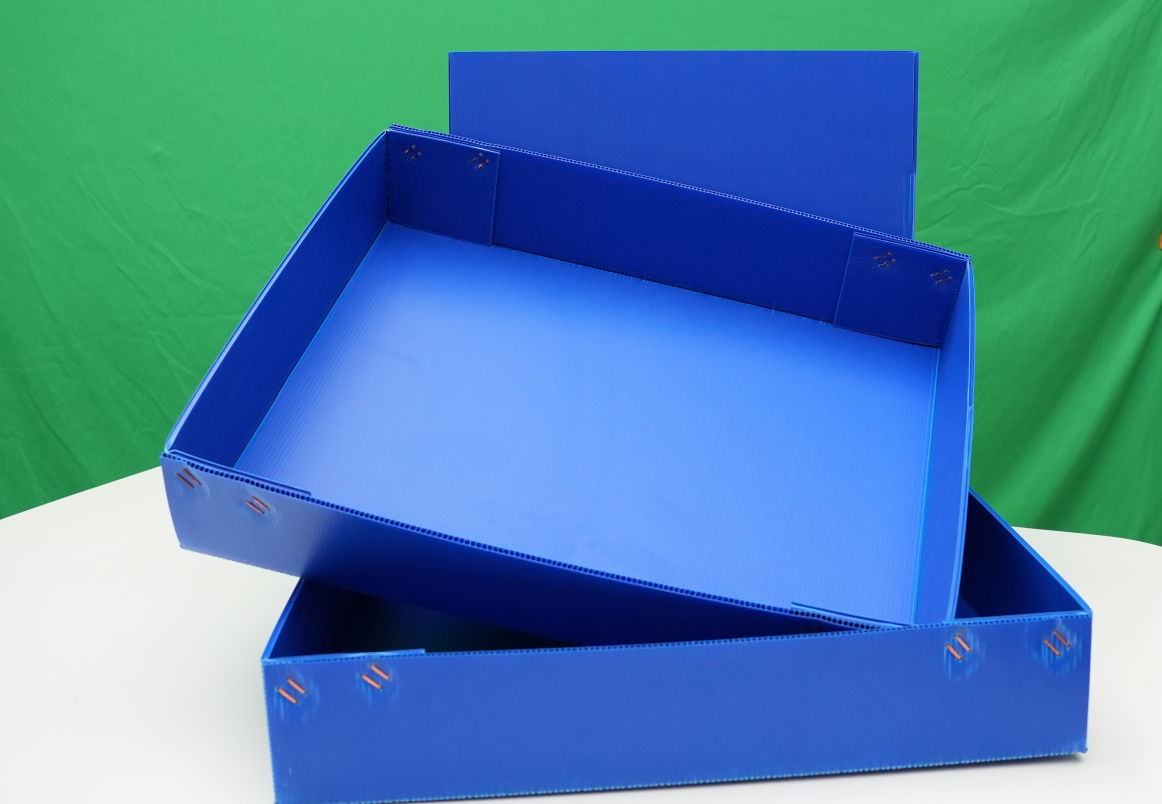
China’s dominance in corrugated plastic production isn’t just about lower labor costs. It stems from a deeply integrated supply chain that clusters raw material suppliers, mold makers, and assembly lines within a few hundred kilometers. This proximity reduces logistics overhead and enables just‑in‑time manufacturing at a scale few regions can match. As a result, lead times shrink and unit prices drop without sacrificing consistency—an equation that reshapes global sourcing patterns.
Beyond cost, Chinese manufacturers have pushed the material’s versatility into new territory. Through advanced co‑extrusion techniques and proprietary additive formulations, they now offer corrugated sheets with enhanced UV resistance, flame retardancy, and even anti‑bacterial surfaces for medical packaging. Customization has become standard: multi‑wall construction, precise color matching, and die‑cutting tolerances that rival injection‑molded parts. This blend of scale and technical agility keeps the advantage firmly onshore.
Customization Capabilities That Fit Your Exact Needs
Whether you're streamlining internal workflows or building a customer-facing interface, the platform adapts to your operating rhythm rather than forcing you into a fixed mold. Every module, from data fields to dashboards, can be reshaped so the tool mirrors the way your team actually works, not the way a developer assumed they might.
Small tweaks make a big difference: rename a status label so it matches your team's vocabulary, add a custom field to capture details others overlook, or rearrange a dashboard to spotlight the metrics that matter most. These aren't one-size-fits-all templates—they're flexible building blocks you can mix, match, and refine until the setup feels uniquely yours.
Because needs evolve, the customization doesn't stop after day one. You can adjust logic rules, notification triggers, or user permissions on the fly, so the system grows alongside your processes. It's about creating a workspace that fits like a well-worn glove, without ever touching a line of code.
Durability and Sustainability: A Closer Look at Material Benefits
In the world of materials, durability and sustainability often go hand in hand, though they're not always obvious partners. A truly durable material resists wear, tear, and decay over time, which means fewer replacements and less waste. That longevity directly lightens the load on resource extraction and manufacturing—two of the biggest hidden environmental costs. Think of it as a quiet, long-term investment: the longer a product lasts, the less often we need to pull new raw materials from the earth, and the smaller the pile in landfills.
But sustainability isn't just about surviving the years; it's also about how a material behaves during its life and what happens at the end. Some materials age gracefully, developing a patina without losing structural integrity, while others require toxic treatments to fend off corrosion or pests—treatments that can leach into soil and water. The best choices are those that balance inherent resilience with minimal intervention, and can eventually be reclaimed or safely biodegraded. It's a shift from the old 'use and discard' model to a circular mindset, where durability means designing for disassembly, reuse, and material recovery.
Real-world examples bring this into focus. Natural stone and solid wood, for instance, have been used for centuries because they can endure with simple care, whereas many modern composites prioritize cheap production over lifespan, creating a hidden burden of maintenance and early disposal. Even among metals, the difference between a high-quality stainless steel and a low-grade coated alloy is stark: one resists corrosion through its own chemistry, the other peels and rusts, demanding replacement. Choosing materials with long-term thinking doesn't just benefit the planet; it often rewards us with lower lifecycle costs and a richer aesthetic that only time can bestow.
Navigating Imports: What to Expect When Sourcing from China
Sourcing from China opens doors to vast manufacturing possibilities, but the journey from sample to delivery is rarely a straight line. Expect a steep learning curve as you grapple with time zones, cultural nuances, and the art of vetting suppliers through screen-deep research. Early wins often come to those who invest in building genuine relationships—suppliers are more likely to prioritize your orders when they see you as a long-term partner, not just a one-time buyer. That means regular, clear communication and a willingness to understand their production rhythms, not just your own deadlines.
When your goods finally set sail, the paperwork ballet begins. Beyond the commercial invoice and packing list, you'll encounter a maze of customs forms, tariffs, and compliance checks that vary wildly depending on your product and destination. A common pitfall is underestimating landed costs—freight, insurance, duties, and those sneaky port handling fees can inflate your budget by 30% or more. Seasoned importers recommend building a buffer of at least 20% over your quoted unit price and keeping a small reserve for unexpected storage charges if your shipment gets flagged for inspection.
Quality control is where many first-timers stumble. Photographs and video calls can only convey so much; even trusted suppliers may relax standards on reorders. Smart sourcing involves a mix of pre-shipment inspections, clear specifications in your purchase agreement, and a plan for handling defects that doesn't rely on return shipping—often more expensive than the goods themselves. Start with smaller, test batches whenever possible, and gradually scale up as consistency proves out. Over time, you'll develop an intuition for red flags, like suppliers who promise impossibly fast turnaround or dodge questions about material sourcing.
Real-World Applications Shaping Modern Packaging
Walk down any grocery aisle and you'll see packaging that does more than just hold a product—it tells a story, preserves freshness, and even interacts with your phone. Brands are pushing the boundaries by embedding NFC tags and QR codes into labels, letting consumers trace a product's journey from farm to shelf or unlock recipes with a quick scan. This fusion of physical and digital isn't a distant concept; it's on the shelves right now, turning everyday purchases into immersive experiences.
Beyond connectivity, the materials themselves are undergoing a quiet revolution. Mushroom-based cushioning, seaweed-derived films, and plantable seed-infused cartons are replacing styrofoam and plastic, without asking consumers to compromise on durability. For instance, several cosmetics companies already ship their products in wrappers that dissolve in water, eliminating waste entirely. These choices aren't just eco-friendly—they feel premium, signaling that the brand cares about more than just the bottom line.
Then there's the shift toward form that truly follows function. Single-serve portions with integrated utensils, resealable tubs that extend shelf life by weeks, and handles engineered for a sturdier grip show how packaging now adapts to how we actually live—opening things one-handed while juggling a phone, or saving leftovers for later. It's a far cry from the rigid boxes of a decade ago, and it's quietly reshaping our daily routines, one well-designed container at a time.
FAQ
Plastic corrugated boxes are durable, lightweight containers made from polypropylene or similar materials, featuring a fluted core sandwiched between two flat sheets. Unlike cardboard, they resist moisture, chemicals, and impact, making them reusable and ideal for tough shipping conditions.
China has a mature manufacturing ecosystem with advanced extrusion and converting equipment, which translates into cost-effective production without compromising quality. The country's extensive supply chain also means shorter lead times and vast customization capabilities.
They're popular in automotive, electronics, agriculture, and food processing sectors. Common uses include returnable packaging for parts, produce crates, protective mailers, and even signage due to their printability and strength.
Ask for material certifications, request physical samples, and check for consistent flute height and weld strength. Reliable suppliers often follow international standards like ISO 9001 and can provide third-party test reports for compression and drop tests.
You can customize dimensions, colors, wall thickness, anti-static or UV protection additives, and printing. Most manufacturers offer silk-screen or digital printing directly on the box, as well as die-cut handles or interlocking designs.
Yes, they are often produced with recycled content and are fully recyclable at the end of their long lifespan. Their reusability drastically reduces waste compared to single-use packaging, aligning with circular economy practices.
Import duties vary by country and product classification; consult your customs broker with the HS code provided by the supplier. Opting for FCL (full container load) shipments typically reduces per-unit freight costs for large orders.
They handle substantial weight due to the corrugated structure's strength-to-weight ratio. Standard 3mm wall boxes can hold 20-30 kg, while thicker constructions go beyond 50 kg. For fragile items, custom foam inserts or dividers add protection.
Conclusion
When exploring packaging that truly stands up to modern demands, plastic corrugated boxes from China present a compelling alternative to fiberboard, wood, or metal. Their inherent resistance to water, chemicals, and impact means they maintain protection even in harsh supply chains, while China’s manufacturing ecosystem—combining high-speed extrusion lines and skilled labor—delivers an unbeatable balance of quality and value. Customization goes well beyond simple sizing: you can specify ESD-safe materials for electronics, add UV inhibitors for outdoor storage, or integrate dividers and tamper-evident seals, making each order precisely matched to your product's journey.
Beyond ruggedness, these boxes offer a surprisingly sustainable profile, as polypropylene is widely recycled and a single unit often replaces dozens of disposable containers. Navigating imports from China is less daunting than many assume, thanks to established freight partnerships and clear documentation that keep lead times predictable. Real-world use cases continue to expand—from automotive parts circulating between plants to e-commerce shipments requiring lightweight yet crush-proof packaging, and even foldable bins for retail display. The shift towards plastic corrugated isn’t just a trend; it’s a practical response to rising expectations for durability, efficiency, and environmental accountability in packaging.
Contact Us
Contact Person: Mr. Ge Man
Email: [email protected]
Tel/WhatsApp: 8613710506492
Website: https://www.shitengzx.com