
Polyethylene Glycol Supplier: The Essential Guide to Quality and Sourcing
2026-03-04
In the intricate supply chain of chemical manufacturing, polyethylene glycol (PEG) stands out as a versatile and indispensable polymer. As a crucial component in pharmaceuticals, cosmetics, and industrial applications, sourcing high-quality PEG is paramount for success. However, navigating this complex market can be daunting, with questions about purity, consistency, and sustainability often leaving decision-makers uncertain. That's where POLYKEM comes into play. This essential guide cuts through the noise, offering practical insights into quality standards, sourcing strategies, and industry trends. We'll explore what sets top-tier suppliers apart and why your choice of partner matters more than ever. Ready to elevate your PEG procurement? Let's dive in.
What to Look for in a High-Quality Polyethylene Glycol Supplier
When seeking a polyethylene glycol (PEG) supplier, it's crucial to assess their quality control processes. Look for companies that adhere to strict international standards like USP, EP, or BP for pharmaceutical-grade PEG, or ISO certifications for industrial applications. High-quality suppliers often provide detailed certificates of analysis (CoA) for each batch, ensuring purity, molecular weight consistency, and low levels of impurities such as ethylene oxide and diethylene glycol. This transparency not only builds trust but also helps you meet regulatory requirements in your specific industry, whether it's pharmaceuticals, cosmetics, or manufacturing.
Another key factor is the supplier's ability to offer customization and flexibility. Top-tier suppliers don't just sell standard products; they work closely with clients to develop tailored PEG solutions based on specific needs, like varying molecular weights or functional groups. Additionally, consider their supply chain reliability and logistics—prompt delivery, consistent inventory, and global distribution networks can prevent production delays. It's worth asking about their technical support as well; responsive customer service and expert guidance can make a significant difference in troubleshooting or optimizing your formulations.
Finally, evaluate the supplier's reputation and sustainability practices. Check for reviews, case studies, or industry partnerships that demonstrate their track record in delivering high-quality PEG. Also, with growing environmental concerns, suppliers that implement eco-friendly manufacturing processes, such as using renewable feedstocks or reducing waste, can enhance your own brand's appeal. By prioritizing these aspects, you'll likely find a partner that not only meets your technical specifications but also aligns with long-term business goals and ethical standards.
Key Factors for Effective Sourcing of Polyethylene Glycol
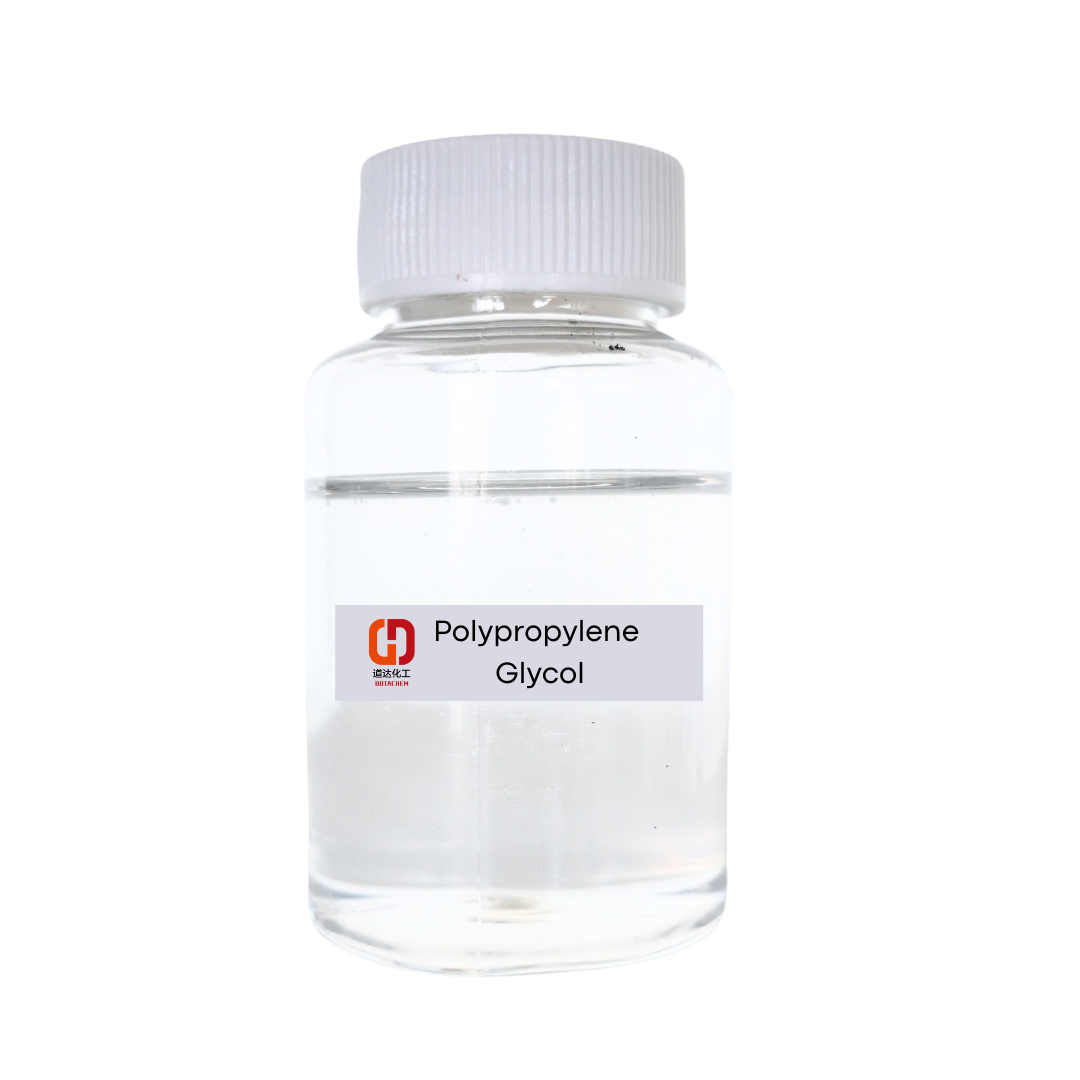
Sourcing polyethylene glycol (PEG) effectively hinges on a few critical elements that go beyond just price. First off, quality consistency is paramount—variations in purity or molecular weight can disrupt your processes, so partnering with suppliers who adhere to stringent manufacturing standards and provide detailed certifications is a must. It's not just about ticking boxes; it's about ensuring every batch meets your specific application needs, whether for pharmaceuticals, cosmetics, or industrial uses.
Another key aspect is supply chain reliability. Since PEG is widely used in time-sensitive industries, delays or shortages can cause major headaches. Look for suppliers with robust logistics and transparent communication, perhaps even those offering flexible ordering options to handle fluctuating demands. Building a relationship based on trust and responsiveness can save you from unexpected production hiccups, making the sourcing journey smoother and more dependable.
Lastly, don't overlook technical support and customization opportunities. Many suppliers now offer tailored solutions, such as adjusting PEG grades or providing formulation advice, which can set them apart in a crowded market. By focusing on these factors—quality, reliability, and support—you'll not only secure a stable supply but also enhance overall efficiency and innovation in your projects.
Navigating Quality Standards in Polyethylene Glycol Procurement
When sourcing polyethylene glycol (PEG), understanding quality standards is crucial for ensuring product efficacy and safety across applications. It's not just about checking boxes—procurement often involves navigating a complex landscape of regulatory requirements and supplier-specific certifications. For example, pharmaceutical-grade PEG must meet stringent purity standards like those outlined in the USP or EP, while industrial uses may focus more on viscosity and solubility specifications. This means buyers need to tailor their approach based on the intended use, rather than applying a one-size-fits-all checklist.
A practical step in this process is engaging directly with suppliers to discuss their quality control practices. Don't settle for vague assurances; ask for documented evidence, such as certificates of analysis or batch testing results, which can reveal consistency and adherence to standards. It's also wise to consider factors like storage conditions and handling during transport, as these can impact PEG quality even if initial specifications are met. By prioritizing transparency and proactive communication, you can mitigate risks and build more reliable supply chains.
Beyond compliance, smart procurement involves staying updated on evolving standards and market trends. For instance, recent shifts toward sustainability might influence PEG sourcing, with some industries favoring suppliers that adhere to eco-friendly production methods. Keeping an eye on such nuances helps you secure not just a compliant product, but one that aligns with broader organizational goals, potentially offering competitive advantages in quality and cost-efficiency over time.
Supply Chain Considerations for Reliable Polyethylene Glycol Access
Ensuring a steady supply of polyethylene glycol (PEG) hinges on the resilience of its supply chain, which is often tested by factors like raw material sourcing and geopolitical tensions. For instance, ethylene oxide, a key component, can face disruptions due to production bottlenecks or environmental regulations, directly impacting PEG availability. Companies are increasingly diversifying their supplier base and investing in strategic stockpiles to mitigate these risks, recognizing that even minor delays can ripple through industries like pharmaceuticals and cosmetics.
Beyond raw materials, logistics and transportation play a crucial role in maintaining reliable PEG access. With global distribution networks, issues like port congestion, shipping delays, or unexpected weather events can lead to costly interruptions. To address this, businesses are adopting advanced tracking systems and partnering with reliable carriers, ensuring that PEG shipments remain on schedule. This proactive approach helps minimize downtime and supports seamless operations across various applications.
Additionally, regulatory and quality control measures are integral to the PEG supply chain, as compliance with standards like USP or EP can vary by region. When sourcing PEG, it's essential to verify that suppliers adhere to these requirements to avoid potential quality issues or regulatory setbacks. By conducting thorough audits and fostering transparent communication with partners, organizations can enhance reliability and build a more robust supply network.
Evaluating Supplier Reliability in the Polyethylene Glycol Market
In the competitive polyethylene glycol (PEG) market, supplier reliability can make or break a company's operations, impacting everything from production timelines to product quality. Unlike simply checking a vendor's price list, evaluating reliability involves digging into their track record—like on-time delivery rates and consistency in meeting industry specifications. For instance, a supplier with a history of minor batch variations might seem fine at first, but could lead to costly rework down the line if your processes are highly sensitive. It's about spotting those subtle red flags early, rather than waiting for a major disruption.
One often-overlooked aspect is how suppliers handle disruptions, such as raw material shortages or logistics snags. A reliable PEG provider doesn’t just apologize when issues arise; they proactively communicate alternative solutions, like offering temporary substitutes or adjusting delivery schedules. In 2022, during a global shipping bottleneck, some suppliers in Asia managed to reroute shipments through less congested ports, minimizing delays for clients. This kind of agility sets the best apart, as it shows a deeper commitment to partnership over mere transaction.
Finally, look beyond certifications to real-world feedback—industry forums and peer reviews can reveal insights no audit report covers. A supplier might boast ISO standards yet struggle with customer service, causing friction in day-to-day interactions. By blending quantitative data, like defect rates, with qualitative checks, you build a robust picture of reliability. In essence, it’s not just about finding a PEG supplier; it’s about securing a dependable ally in a volatile market.
Best Practices for Ensuring Consistent Quality in Polyethylene Glycol
Polyethylene glycol (PEG) is widely used in pharmaceuticals and cosmetics for its solubility and stability, but maintaining consistent quality requires attention to raw material purity. Sourcing high-grade ethylene oxide and water, along with strict supplier verification, minimizes impurities and ensures consistent molecular weight distribution. Batch-to-batch variability can be reduced through real-time monitoring of reaction conditions, like temperature and pressure, during synthesis.
Advanced analysis techniques, such as gas chromatography and mass spectrometry, play a crucial role in detecting trace contaminants that standard methods might miss. Regular calibration of equipment and adherence to Good Manufacturing Practices (GMP) help sustain uniformity, supported by detailed documentation of each production step. This proactive approach prevents drift in viscosity or pH levels, common issues in industrial PEG applications.
Storing PEG in controlled environments, with protection from moisture and temperature fluctuations, extends shelf life and preserves desired properties. Periodic stability testing under accelerated aging conditions provides early warnings of degradation, enabling corrective actions before quality compromises occur. Collaborating with end-users to tailor specifications based on application needs further enhances reliability, making PEG a dependable excipient for diverse formulations.
FAQ
A standout supplier typically offers high-purity products, reliable supply chains, customizable solutions, and strong technical support to meet diverse industrial needs effectively.
You can request certificates of analysis, conduct third-party lab tests, or check for compliance with standards like USP or EP to ensure product quality and safety.
Key factors include regulatory approvals (e.g., FDA), batch-to-batch consistency, documentation transparency, and the supplier's track record in the pharmaceutical industry.
Yes, some suppliers provide polyethylene glycol derived from renewable sources or with biodegradable properties, helping reduce environmental impact in various applications.
Store polyethylene glycol in a cool, dry place away from moisture and direct sunlight, using sealed containers to prevent contamination and maintain product integrity over time.
Suppliers often offer formulation guidance, troubleshooting assistance, and custom product development support to ensure optimal use in your specific applications.
Conclusion
Selecting a high-quality polyethylene glycol (PEG) supplier demands a strategic focus on both product integrity and supplier performance. Key considerations include assessing the supplier's adherence to stringent quality standards, such as pharmaceutical-grade certifications or specific molecular weight consistency, which directly impact the PEG's suitability for applications like pharmaceuticals, cosmetics, and industrial uses. Effective sourcing hinges on evaluating factors like purity levels, batch-to-batch uniformity, and regulatory compliance, ensuring the material meets precise technical requirements. Navigating these quality benchmarks requires understanding global standards and supplier transparency in documentation, which mitigates risks in procurement and enhances product reliability.
Beyond product specifications, robust supply chain management is crucial for reliable PEG access. Factors such as supplier reliability, demonstrated through consistent delivery timelines, responsive customer support, and long-term stability in the market, play a pivotal role. Best practices involve implementing thorough supplier audits, monitoring supply chain resilience against disruptions, and fostering partnerships that prioritize quality assurance. By integrating these elements, businesses can secure consistent, high-quality PEG, optimize sourcing strategies, and maintain competitive advantage in diverse industries, from healthcare to manufacturing, while ensuring operational efficiency and product safety.
Contact Us
Contact Person: Levi
Email: [email protected]
Tel/WhatsApp: +86 532 84688720
Website: https://www.polykem-intl.com