
Polyoxyethylene Sorbitan Fatty Acid Ester (TWEEN) in China: A Key Surfactant for Diverse Applications
2026-03-11
In the dynamic world of surfactants, China stands out as a key player, with Polyoxyethylene Sorbitan Fatty Acid Ester, commonly known as TWEEN, driving innovation across diverse industries. This versatile compound has become indispensable in applications ranging from food and cosmetics to pharmaceuticals and agriculture, thanks to its outstanding emulsifying and stabilizing properties. As demand surges, understanding its evolution and impact in the Chinese market is more crucial than ever. At the forefront of this journey is POLYKEM, a brand committed to delivering cutting-edge solutions that harness the power of TWEEN. Join us as we explore how this essential surfactant is shaping modern applications and uncovering new opportunities in China’s thriving landscape. Ready to dive in? There’s so much more to uncover!
Understanding TWEEN in China: Surfactant Basics
When exploring surfactants in China, TWEEN (also known as polysorbates) stands out as a versatile player in the industrial and consumer landscapes. Its widespread use spans from pharmaceuticals and cosmetics to food processing, largely due to its nonionic nature that ensures compatibility with a broad range of formulations. In China, the demand for TWEEN has surged alongside the nation's growing chemical sector, driven by advancements in manufacturing and a push for high-quality ingredients in everyday products.
Diving into the basics, TWEEN functions primarily as an emulsifier and solubilizer, effectively blending oils and water in various applications. This characteristic is particularly valued in Chinese industries where efficiency and product stability are key. For instance, in the pharmaceutical field, TWEEN helps in creating stable drug suspensions, while in cosmetics, it enhances the texture and shelf life of creams and lotions. Understanding these core roles sheds light on why it's a staple in many Chinese factories and labs.
Beyond its technical roles, the adoption of TWEEN in China reflects broader trends in sustainability and innovation. Companies are increasingly focusing on eco-friendly variants and optimizing production processes to reduce environmental impact. By grasping these surfactant basics, stakeholders can better navigate China's dynamic market, leveraging TWEEN's properties to develop safer, more effective products that meet both domestic and global standards.
Key Uses of TWEEN in Pharmaceuticals and Cosmetics
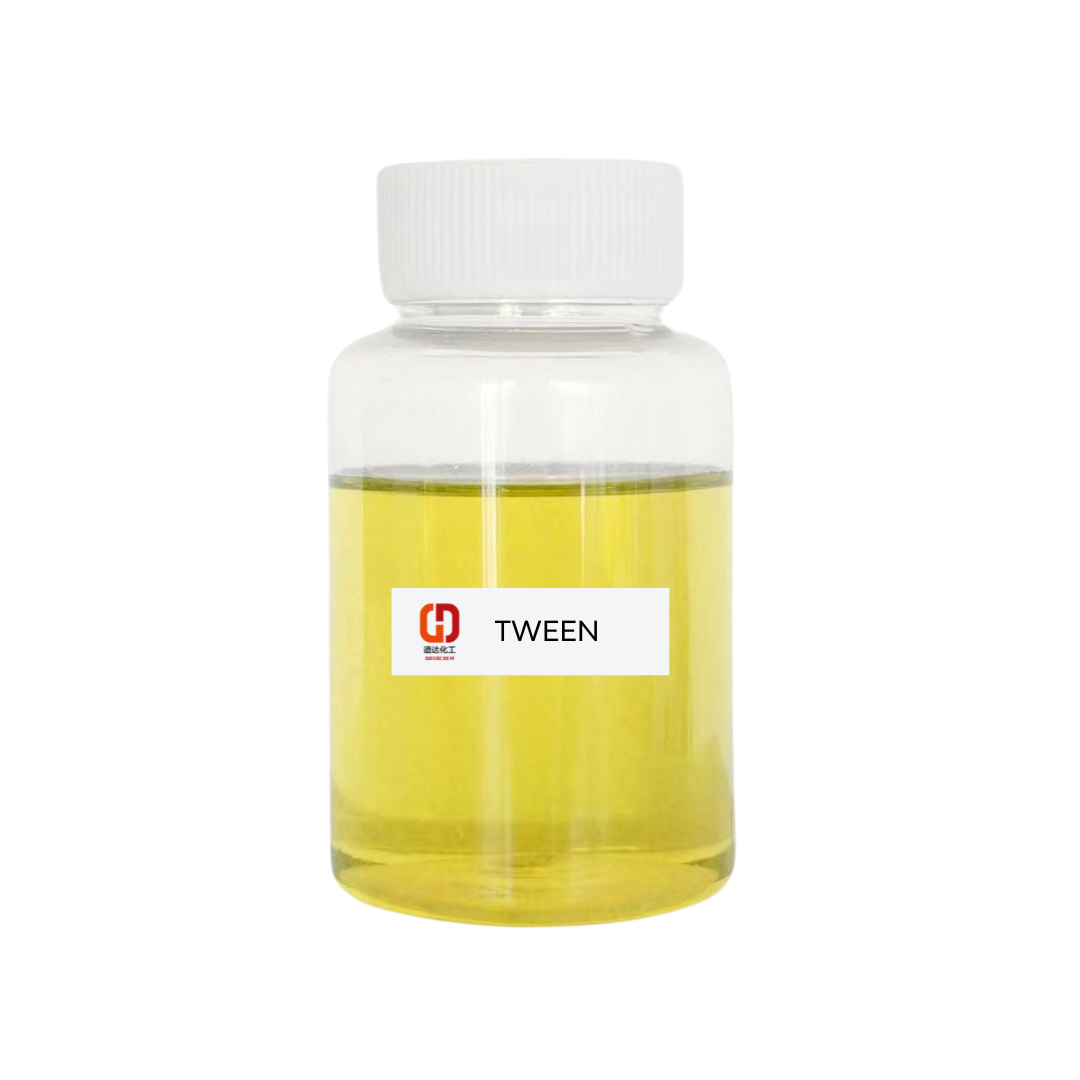
TWEEN, a popular brand of polysorbates, plays a crucial role in both pharmaceuticals and cosmetics by acting as non-ionic surfactants and emulsifiers. In pharmaceuticals, it's often used to solubilize difficult-to-dissolve active ingredients, such as hydrophobic drugs, ensuring they're effectively delivered in formulations like injectables, oral suspensions, and topical creams. This enhances drug stability and bioavailability, making treatments more efficient and reliable for patients.
In cosmetics, TWEEN finds widespread application in products like lotions, creams, and cleansers, where it helps blend oil and water components seamlessly to create stable emulsions. This leads to better texture, consistency, and shelf life, while also improving skin penetration of beneficial compounds. Whether it's a soothing moisturizer or a potent anti-aging serum, TWEEN ensures that the ingredients work together harmoniously, enhancing overall product performance and user experience.
Beyond these direct uses, TWEEN's mild and non-irritating properties make it suitable for sensitive skin formulations, offering a gentle alternative to harsher surfactants. In both industries, its versatility extends to stabilizing formulations under varying pH and temperature conditions, ensuring product integrity from manufacturing to consumer use. This adaptability underscores why TWEEN remains a trusted choice for formulators aiming to balance efficacy with safety in their innovations.
TWEEN's Role in Food Processing and Safety
TWEEN, a type of polysorbate surfactant, plays a crucial role in the food industry by enhancing the stability and quality of processed foods. In applications like emulsions and foams, it helps in evenly dispersing ingredients, preventing separation, and ensuring a consistent texture. This not only improves product shelf life but also contributes to food safety by reducing the risk of microbial growth in unstable mixtures.
Beyond its emulsifying properties, TWEEN is instrumental in fortifying foods with vitamins and other additives. For instance, in fat-soluble vitamin supplements, it aids in solubilizing these compounds, making them more bioavailable when consumed. This contributes to nutritional safety by ensuring that essential nutrients are effectively delivered without degradation during processing.
In terms of safety, TWEEN undergoes rigorous testing to comply with regulatory standards set by organizations like the FDA and EFSA. Its approved use in minimal concentrations ensures it doesn't pose health risks, while its role in maintaining product integrity helps prevent contamination and spoilage, thereby safeguarding consumer well-being throughout the food supply chain.
Production and Supply Chain Insights in China
China's production and supply chain landscape is evolving rapidly, driven by government policies like 'Made in China 2025' and a push toward technological advancement. Factories are increasingly adopting automation and smart manufacturing techniques, reducing reliance on manual labor and boosting efficiency. This shift not only enhances output quality but also positions China as a leader in high-value industries, from electronics to renewable energy, reshaping traditional manufacturing hubs.
Supply chains in China are becoming more resilient through diversification and digitalization, addressing disruptions from global events. Companies are leveraging big data and IoT to optimize logistics, resulting in faster delivery times and reduced costs. Regional clusters, such as the Pearl River Delta for electronics and the Yangtze River Delta for automotive parts, foster collaboration and innovation, making the ecosystem more adaptable to market changes.
Sustainability is gaining traction within Chinese production and supply chains, with initiatives to minimize environmental impact. Green manufacturing practices and circular economy models are being integrated, supported by stricter regulations. This focus not only meets international standards but also attracts eco-conscious investors, highlighting China's commitment to balancing economic growth with ecological responsibility in its industrial operations.
Environmental and Regulatory Considerations
Navigating the intersection of business operations and environmental stewardship requires careful attention to both ecological impacts and legal mandates. Companies today must balance economic goals with sustainable practices, as regulations evolve to address climate change, pollution, and resource conservation. Staying ahead of these shifts isn't just about compliance; it's an opportunity to innovate and build resilience.
Beyond mere adherence, forward-thinking organizations integrate environmental considerations into their core strategies. This involves assessing risks like carbon emissions or waste management, while also seizing chances for green technologies and circular economies. By doing so, they not only meet regulatory standards but also enhance their reputation and operational efficiency, fostering long-term growth.
Ultimately, a proactive approach to environmental and regulatory matters can turn potential constraints into competitive advantages. Engaging with stakeholders, monitoring policy developments, and embedding sustainability into decision-making processes helps businesses adapt and thrive in an increasingly eco-conscious world.
Future Trends and Innovations for TWEEN Applications
As TWEEN applications evolve, one of the most exciting trends is the integration of hyper-personalized AI assistants that go beyond basic task management. These systems are learning to adapt to individual tween's unique developmental stages, providing tailored educational content and social-emotional support. For instance, apps might predictively offer resources for handling peer pressure or building self-esteem, creating a more relatable and engaging user experience that resonates with this age group's specific needs and interests.
Innovation in this space is also being driven by immersive technologies like augmented reality (AR) and virtual reality (VR), which are transforming how tweens interact with educational and entertainment modules. Imagine history lessons where users can virtually explore ancient civilizations or science apps that simulate complex experiments in a safe, interactive environment. These technologies not only boost engagement but also foster critical thinking and creativity, making learning a dynamic adventure rather than a passive activity.
Looking ahead, sustainability and digital well-being are becoming core priorities, with developers designing features that encourage balanced screen time and eco-conscious habits. Future apps might incorporate gamified challenges for outdoor exploration or reward systems for reducing digital footprint, aligning with growing parental and societal concerns. This shift towards holistic development ensures that TWEEN applications are not just tools for convenience, but partners in nurturing responsible, well-rounded individuals.
FAQ
TWEEN surfactants, or polyoxyethylene sorbitan fatty acid esters, are synthetic emulsifiers widely used in China for their versatile properties. Their significance lies in enabling formulations across pharmaceuticals, food, cosmetics, and agrochemicals by stabilizing mixtures and enhancing solubility in diverse conditions.
In China, TWEEN surfactants are critical for drug delivery systems, such as solubilizing poorly water-soluble active ingredients and improving bioavailability. They facilitate the development of new formulations, including vaccines and oral medications, helping meet domestic healthcare demands and regulatory standards.
TWEEN esters serve as emulsifiers in processed foods like ice creams, sauces, and baked goods in China, ensuring consistent texture and shelf stability. They also act as dispersing agents in beverage production, maintaining uniform flavor and appearance without compromising safety under local food regulations.
While effective, TWEEN surfactants pose environmental challenges in China, such as potential biodegradability issues in water systems. Efforts are underway to develop greener alternatives and improve wastewater treatment processes to mitigate ecological impacts in line with sustainability goals.
Demand for TWEEN in China's cosmetics sector has grown due to trends in skincare and makeup requiring stable emulsions. These surfactants are used in creams, lotions, and cleansers to enhance product performance, catering to consumer preferences for high-quality, multifunctional personal care items.
TWEEN surfactants stand out in China's agrochemicals for their non-ionic nature, offering compatibility with various pesticides and fertilizers without ionic interference. They improve spray coverage and absorption on crops, boosting efficacy while minimizing residues, a key advantage in precision agriculture initiatives.
Yes, TWEEN surfactants in China must comply with regulations from bodies like the NMPA for pharmaceuticals and the GB standards for food additives. Safety assessments focus on purity, allowable concentrations, and toxicity profiles to ensure consumer and environmental protection across applications.
Future trends in China include advancements in bio-based TWEEN derivatives for sustainability, increased use in nano-formulations for targeted delivery, and integration into smart materials. These developments aim to enhance efficiency and align with green chemistry principles in industrial processes.
Conclusion
In China, Polyoxyethylene Sorbitan Fatty Acid Ester (TWEEN) has emerged as a pivotal surfactant, driving innovation across multiple industrial sectors due to its exceptional emulsifying, dispersing, and stabilizing properties. As Chinese industries have expanded, TWEEN's applications have grown significantly, particularly in pharmaceuticals and cosmetics, where it enhances drug solubility and improves cosmetic formulations, ensuring product efficacy and safety. The food processing sector also relies heavily on TWEEN for stabilizing emulsions and extending shelf life, contributing to food safety standards. Understanding these basics highlights TWEEN's versatility and vital role in China's economic landscape, making it a cornerstone in the development of high-quality consumer and industrial products.
Looking ahead, the production and supply chain dynamics in China are crucial, with domestic manufacturers ramping up capabilities to meet rising demand while navigating environmental and regulatory challenges. Innovations in TWEEN applications are anticipated, driven by trends toward sustainability and advanced formulations in biotech and green chemistry. By integrating these insights, China is poised to lead in surfactant technology, ensuring TWEEN's continued relevance in diverse fields. This forward-thinking approach not only addresses current needs but also sets the stage for future breakthroughs, solidifying TWEEN's status as a key enabler of industrial progress in China and beyond.
Contact Us
Contact Person: Levi
Email: [email protected]
Tel/WhatsApp: +86 532 84688720
Website: https://www.polykem-intl.com