

Porcelain Paving Tiles Manufacturer: Expert Guide to High-Quality Outdoor Flooring Solutions
2026-03-17
Are you searching for the perfect blend of elegance and durability in your outdoor spaces? Welcome to our expert guide on porcelain paving tiles, crafted to transform patios, walkways, and gardens into stunning, high-quality havens. At Beata Ceramics, we believe every surface deserves a touch of sophistication and strength. In this post, we'll dive into the secrets behind top-tier tile manufacturing, offering insights and inspiration to help you make informed choices. Get ready to discover how these premium solutions can elevate your outdoor living experience, making your home a true masterpiece of design and functionality. Let's explore the world of porcelain paving together!
Why Porcelain Paving Tiles Outperform Traditional Outdoor Materials
When considering materials for outdoor spaces like patios or walkways, porcelain paving tiles stand out as a superior choice compared to traditional options such as concrete, natural stone, or wood. One key advantage is their exceptional durability. Unlike materials that may crack in freeze-thaw cycles or fade under harsh sunlight, porcelain tiles are fired at high temperatures, making them resistant to moisture, stains, and extreme weather. This longevity means less maintenance and fewer replacements over time, saving effort and money in the long run.
Another compelling reason to choose porcelain paving tiles lies in their versatility and aesthetic appeal. While materials like wood can warp or concrete might look plain, porcelain offers a wide array of designs, including realistic textures that mimic natural stone or wood grain, without the associated drawbacks. Homeowners can achieve a high-end look that complements their landscape, all while enjoying a non-porous surface that resists algae growth and is easy to clean with a simple sweep or rinse.
Additionally, porcelain paving tiles provide enhanced safety and sustainability. Their slip-resistant finishes make them safer for wet conditions compared to slick surfaces like polished stone. They're also eco-friendly, often made from natural materials and requiring fewer resources to produce than alternatives like asphalt. By outperforming traditional materials in durability, beauty, and functionality, porcelain tiles deliver a smart, lasting investment for any outdoor project.
Key Factors to Consider When Selecting Durable Porcelain Tiles
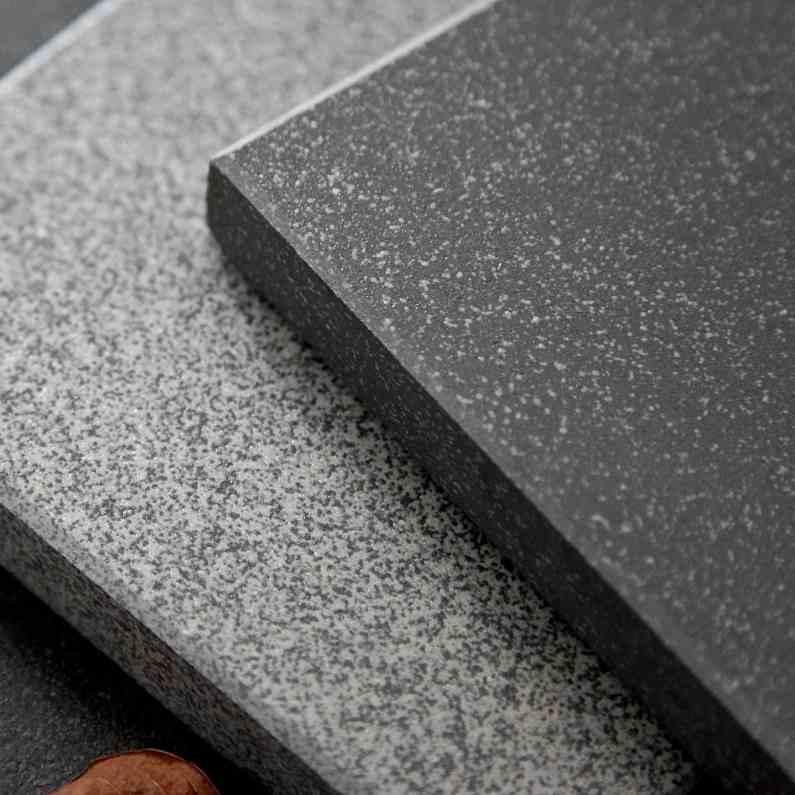
When choosing durable porcelain tiles, the tile thickness, density, and overall composition are foundational elements. Thicker tiles, typically over 10mm, often provide better resistance to cracking under heavy loads, while high-density porcelain with low water absorption (less than 0.5%) ensures longevity in wet or high-traffic areas. Consider the tile's manufacturing process; fully vitrified porcelain tends to be more robust due to its uniform structure, reducing the risk of chipping or wear over time.
Surface texture and finish are equally critical when assessing durability. A textured or matte finish offers superior slip resistance, making it ideal for bathrooms or kitchens, but it might require more maintenance to keep clean. In contrast, polished tiles are easier to sanitize but can be slippery when wet. For outdoor use or high-impact zones, look for tiles rated for heavy traffic, such as those with a PEI rating of IV or V, which indicate a higher resistance to abrasions and scratches.
Beyond physical attributes, consider the installation and environmental factors. Proper subfloor preparation and professional installation can significantly enhance durability, preventing issues like lippage or tile movement. Additionally, check for frost resistance if using tiles in climates with freezing temperatures, as some porcelain tiles may crack due to water expansion. Opting for tiles with a consistent color or pattern throughout the body (through-body color) can also minimize visible wear over years of use, maintaining aesthetic appeal alongside structural integrity.
Innovative Design Options for Custom Outdoor Flooring Layouts
Picture stepping out into your backyard and being greeted by a stunning geometric mosaic of weathered stone and smooth porcelain tiles, each piece carefully laid to create a pattern that flows like a river through the space. Custom outdoor flooring doesn't have to stick to boring grids or uniform squares; instead, it's an opportunity to craft unique layouts that tell a story or evoke a specific mood. For instance, some homeowners are experimenting with asymmetrical designs that blend different materials, such as combining reclaimed wood planks with pebble inlays along a winding path, adding both texture and visual intrigue. This approach not only enhances the aesthetic appeal but also makes the area feel more personal and inviting, turning a simple patio into a conversation starter that reflects individual style.
Another innovative trend involves playing with scale and direction to manipulate the perception of the outdoor area. By laying tiles in a herringbone or chevron pattern, you can create an illusion of depth or width, making a narrow balcony appear more spacious or a sprawling lawn feel cozier. Incorporating curves and organic shapes, like using circular stepping stones made of rugged slate set within a bed of soft gravel, can soften the hard edges of traditional landscaping and encourage a more natural flow between different sections of the garden. These layouts often incorporate varying shades and finishes to add subtle contrast, such as mixing matte and glossy surfaces that catch the light differently throughout the day, adding a dynamic element to the floor.
Beyond aesthetics, custom layouts can also prioritize functionality and sustainability. For example, permeable paving designs using interlocking systems allow for better water drainage and reduce runoff, integrating eco-friendly elements seamlessly into the layout. Some designs incorporate built-in features like embedded LED lights along tile borders or heated elements under the flooring for year-round comfort, all arranged in patterns that highlight these practical benefits without compromising on style. By thinking outside the box, homeowners can create outdoor floors that aren't just surfaces to walk on but integral parts of the landscape that enhance both usability and beauty.
Installation Best Practices for Long-Lasting Porcelain Pavements
Getting porcelain pavements to last for years starts with a strong foundation. Whether it's a patio or a walkway, proper sub-base preparation is key. We recommend compacting layers of gravel and sand to create a stable, well-draining base. This step prevents shifting and cracking, ensuring your pavements stay level and beautiful over time.
Choosing the right jointing material can make a big difference in durability. For outdoor porcelain, polymeric sand works wonders—it hardens to lock pavers in place and resist weed growth. Avoid using regular sand, as it washes away easily. Also, remember to leave consistent gaps between pavers for expansion and contraction with temperature changes.
Regular sealing after installation adds a protective layer against stains and weathering. Apply a high-quality sealer once the pavements are clean and dry, typically a few weeks post-installation. This simple maintenance step helps preserve the color and finish, giving your outdoor space a fresh look year after year without much hassle.
Cost-Benefit Analysis: Porcelain vs. Alternative Flooring Solutions
When weighing porcelain against other flooring options like hardwood, laminate, or vinyl, a thorough cost-benefit analysis goes beyond just initial prices. Porcelain tiles often command a higher upfront cost, typically ranging from $3 to $15 per square foot, while alternatives such as laminate might start at $1 to $3 per square foot. However, this initial investment can be deceptive—porcelain's renowned durability, with a lifespan exceeding 50 years in many cases, means fewer replacements over time, potentially offsetting those higher costs. In contrast, materials like vinyl or laminate might need refreshing every 10-20 years, leading to cumulative expenses that could surpass porcelain in the long run. Homeowners should factor in installation complexities too; porcelain requires professional expertise for proper laying and sealing, adding to the budget, whereas DIY-friendly options like click-lock laminate offer savings on labor.
Beyond durability, maintenance and environmental impacts swing the balance further. Porcelain's non-porous surface resists stains, moisture, and scratches with minimal upkeep, often needing just a simple mop and occasional sealing. This can slash cleaning costs and time compared to wood floors that demand regular polishing or refinishing to guard against wear. Energy efficiency also plays a role; porcelain's thermal mass helps regulate indoor temperatures, potentially cutting heating and cooling bills in climates with extreme swings. On the flip side, alternatives like engineered hardwood might provide better insulation but could warp in humid areas, incurring repair costs. Weigh these ongoing benefits against porcelain's heftier installation fee to see if the trade-off aligns with your lifestyle and local weather conditions.
Value retention and aesthetic versatility round out the analysis, making porcelain a standout for many. Its timeless appeal and resistance to fading from UV exposure can boost property resale value, a perk less certain with trend-driven materials like luxury vinyl planks. Porcelain mimics natural stone or wood convincingly, offering design flexibility without the high maintenance of real hardwood. Yet, alternatives win in certain niches: cork flooring, for instance, provides superior comfort and sound absorption at a lower cost, ideal for family homes or rental units. Ultimately, a smart cost-benefit assessment should blend hard numbers with personal priorities—like whether you value low long-term upkeep over initial savings, or if eco-friendliness (with porcelain's recyclability) outweighs the charm of authentic wood grains. Tailoring this choice to your specific needs ensures the flooring not only fits your budget but enhances daily living for years ahead.
Maintenance Tips to Preserve Color and Texture Over Time
Over time, fabrics can start to show signs of wear, with colors fading and textures losing their original feel. To keep your textiles looking vibrant and feeling soft, a few regular habits can make a big difference. For instance, washing items inside out helps protect the outer surface from friction in the machine, while using cold water prevents dye from bleeding and preserves fabric integrity. Always check care labels—they're your best guide for avoiding shrinkage or damage that can dull colors and alter texture.
Another key aspect is drying methods; air-drying in the shade not only saves energy but also shields fabrics from direct sunlight, which can cause fading over the long term. If you must use a dryer, opt for a low-heat setting to reduce stress on fibers. Additionally, storing items properly—like folding heavy knits instead of hanging them to prevent stretching—helps maintain their shape and texture, ensuring they feel as good as they look for years.
Finally, consider using gentle, color-safe detergents and avoiding harsh chemicals that can strip away natural fibers. Spot-clean stains promptly to prevent setting, and rotate your wardrobe or linens regularly to distribute wear evenly. By integrating these practices into your routine, you'll not only extend the life of your textiles but also enjoy their beauty and comfort without constant replacement.
FAQ
Porcelain paving tiles offer exceptional durability, low maintenance, and resistance to weather, stains, and fading, making them ideal for long-lasting outdoor spaces.
Porcelain tiles generally provide greater consistency in color and texture, are more resistant to moisture and cracking, and require less sealing than natural stone or concrete.
Focus on factors like slip resistance ratings, frost resistance for colder climates, thickness for heavy traffic areas, and colorfastness to ensure they withstand UV exposure without fading.
Yes, high-quality porcelain paving tiles are designed to handle thermal shock and frost, making them suitable for regions with hot summers and cold winters without cracking or warping.
Maintenance is minimal; regular sweeping and occasional washing with water and mild detergent are usually sufficient to keep them looking new, as they resist stains and mold growth.
Absolutely, they come in a wide range of colors, patterns, and finishes that mimic materials like wood or stone, allowing for versatile and stylish landscape designs.
Proper installation involves using the correct adhesive for outdoor use, ensuring a level and stable sub-base, and following manufacturer guidelines for spacing and sealing to prevent water damage.
Conclusion
Porcelain paving tiles offer a superior outdoor flooring solution that outperforms traditional materials in several key areas. Unlike wood, concrete, or natural stone, these tiles are highly resistant to moisture, stains, and scratches, making them ideal for diverse weather conditions and heavy foot traffic. When selecting durable porcelain tiles, factors such as frost resistance, slip resistance, and thickness should be prioritized to ensure longevity. Choosing the right manufacturer can provide access to innovative design options, including custom colors, patterns, and textured finishes, allowing for unique outdoor layouts that blend aesthetics with functionality.
Proper installation is crucial for achieving long-lasting porcelain pavements, which includes using the correct adhesives and ensuring adequate drainage to prevent water pooling. Despite potentially higher upfront costs compared to alternatives like concrete or natural stone, porcelain tiles prove cost-effective over time due to minimal maintenance and extended durability. Regular cleaning with mild soap and water, along with occasional sealing for textured surfaces, helps preserve the tile's vibrant colors and textures, ensuring they remain beautiful and resilient for years.
Contact Us
Contact Person: Emma
Email: [email protected]
Tel/WhatsApp: 8618064423698
Website: https://www.beataceramics.com/