

Road Hardening Agent for Dust Control: The Ultimate Solution for Dust-Free Roads
2026-07-18
Dust from unpaved roads is more than just a nuisance—it's a safety hazard and an environmental challenge. But what if you could turn those dusty paths into solid, clean surfaces without breaking the bank? Meet the road hardening agent from MST, a game-changing solution that doesn't just suppress dust but transforms the road itself. In this post, we'll dive into how this innovative technology delivers lasting dust control and why it's becoming the go-to choice for sustainable road management.
A Hardener That Turns Loose Dust into Solid Ground
Unpaved roads and dusty construction sites share a common headache: fine particles that billow into the air, reducing visibility and posing health risks. Traditional water trucks offer only fleeting relief, as moisture evaporates and the dust returns almost as quickly as it settles. The solution lies in a liquid hardener that penetrates the soil, binding loose particles into a cohesive, durable surface. Unlike simple wetting agents, this treatment triggers a chemical reaction that welds dust grains together, forming a firm crust resilient enough to withstand traffic and weather.
Application is surprisingly straightforward—the hardener is sprayed onto the targeted area using standard equipment, then left to cure. Within hours, the once-friable ground becomes a stable matrix that resists erosion and suppresses dust for months, not minutes. This process eliminates the need for constant rewatering, cutting water usage and maintenance costs dramatically. From mining haul roads to rural airstrips, the hardened surface stays intact even under heavy loads, preventing potholes and washboarding that often plague untreated soils.
What sets this approach apart is its adaptability across soil types. Whether dealing with sandy loam or fine silt, the hardener adjusts its bonding strength through polymer chemistry, ensuring consistent results without the environmental drawbacks of petroleum-based binders. It’s a quiet revolution in ground stabilization—turning problem dust into solid ground that actually improves with age, as traffic compresses the treated layer into an even denser shield against erosion.
Say Goodbye to Frequent Watering and Short-Term Fixes
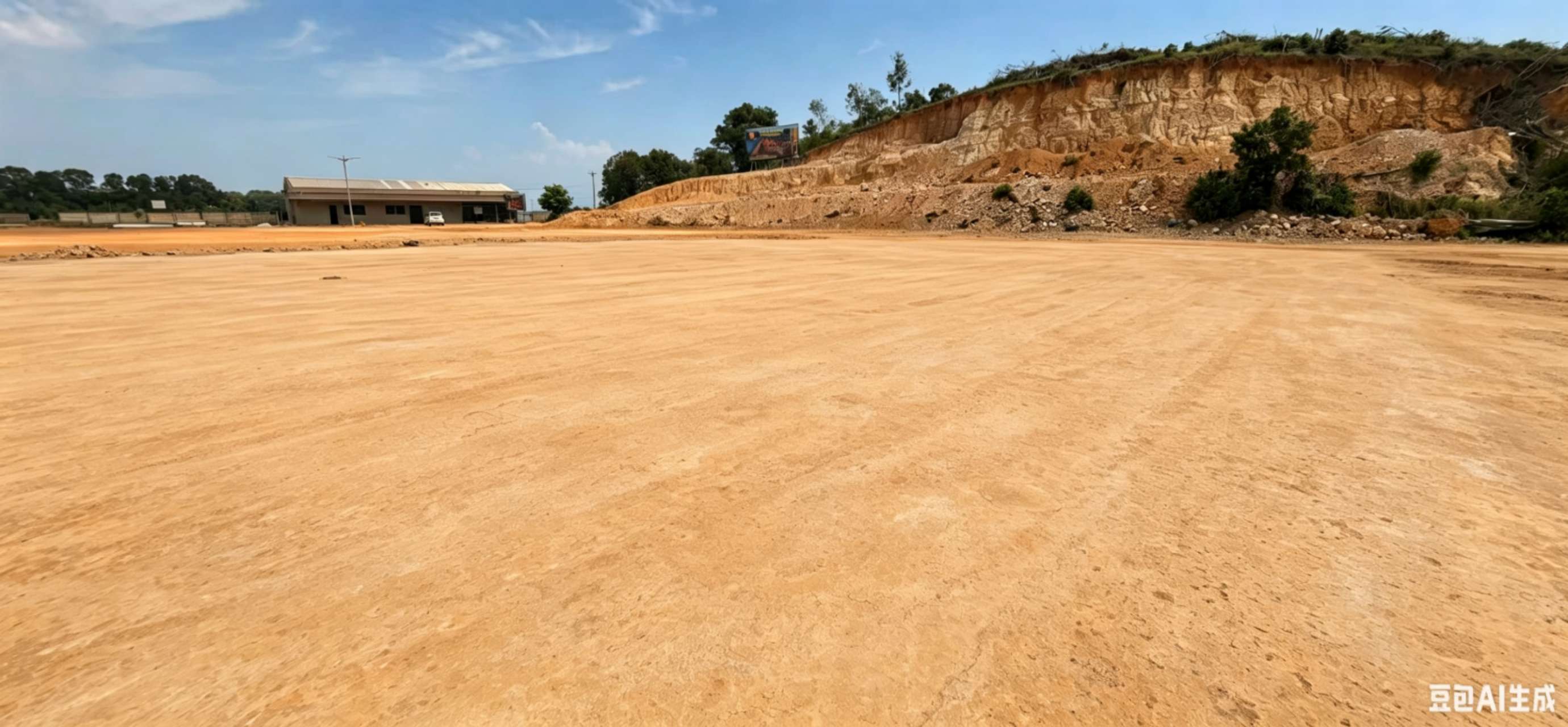
Constant watering schedules and patch-up solutions drain both time and resources without addressing the root issue. Many gardens suffer from surface-level treatments that promise quick results but fail to create lasting change. By shifting focus to soil health and water retention at a deeper level, plants develop stronger root systems that access moisture naturally, reducing the need for daily intervention. This approach transforms the garden into a self-sustaining ecosystem where each plant thrives with minimal upkeep.
Short-term fixes like water-retaining crystals or frequent shallow sprinklings often lead to weak root growth and dependency on artificial support. Instead, integrating organic matter into the soil and using mulch layers can dramatically cut water loss through evaporation. These methods build a resilient foundation that holds moisture where roots need it most, letting you step away from the watering can without worry. Over time, you'll notice not just less work but healthier, more vibrant plants that stand up to dry spells on their own.
Breaking free from the cycle of temporary solutions means rethinking how your garden uses water. Drip irrigation, thoughtful plant placement, and choosing drought-tolerant varieties work together to create a low-maintenance landscape. The key lies in designing a space that supports itself, so you spend more time enjoying the greenery and less time fixing recurring problems. It's about creating lasting abundance with fewer inputs, letting nature do the heavy lifting while you reclaim your weekends.
One Treatment, Years of Dust-Free Roads
Imagine turning a rutted, dusty track into a smooth, clean road that stays that way through seasons of heavy use—no frequent resprays, no endless maintenance. With a single application of advanced soil stabilization technology, road surfaces are transformed at the molecular level, binding fine particles so tightly that even the driest summers won't kick up clouds of dust. It’s not a temporary fix; it’s a long-term solution that keeps roads usable and communities breathing easier.
Contractors and municipalities have seen the difference in places where conventional treatments fail after a few months. This isn’t just about suppressing dust; it’s about building resilience into the road itself. The treated surface resists erosion, reduces gravel loss, and handles traffic without degrading. One project, done right, eliminates years of touch-ups and the hassle of constant watering or regrading.
For industries like mining, agriculture, and rural infrastructure, the payoff is immediate. Truck fleets move safely without reduced visibility, crop dust stays off leafy greens, and neighborhoods breathe clean air. One treatment, years of results—simpler, smarter, and far more cost-effective than the cycle of repeat applications.
From Gravel Paths to Heavy-Traffic Zones: Here’s How It Holds Up
Rolling over loose gravel feels entirely different from navigating a packed city street, yet this material manages both with surprising steadiness. The secret lies in its layered construction—a flexible base that absorbs the chatter of uneven stones, coupled with a dense, wear-resistant surface that refuses to buckle under the constant press of tires and footfalls. Whether it’s a quiet backyard trail or a bustling commercial driveway, the structure quietly adjusts, distributing weight and resisting ruts without ever drawing attention to itself.
In high-traffic zones, where the relentless drumbeat of vehicles can pulverize lesser surfaces in months, this proves remarkably stubborn. Tiny interlocking aggregates shift just enough to prevent cracking, while the surface remains skid-resistant even when wet or coated in winter grime. There’s no spongy give, no slick spots—just a firm, predictable grip that drivers and pedestrians trust without thinking. And unlike smooth concrete that amplifies every screech and roar, the texture here subtly dampens noise, making it a favorite for neighborhoods that value both durability and a bit of quiet.
On winding gravel paths, the story is about comfort and control. Instead of kicking up a plume of dust or rattling ankles, the surface settles in, merging with the natural contours of the landscape. Water drains through without pooling, so after a downpour you’re left with a clean, mud-free walkway rather than a messy track. Over time, it develops a patina that blends with its surroundings—never glaringly new, never apologetically worn. That’s the hallmark of something built to endure: it doesn’t just survive the extremes, it makes them almost unremarkable.
The Eco-Friendly Road Hardener That Works Even in Dry Climates
In regions where water is scarce, traditional road hardeners often fall short—they rely on moisture to activate, cure, or maintain stability, leaving dry-climate projects vulnerable to dust and erosion. Our solution sidesteps that entirely. It uses a plant-based binding agent that reacts with natural minerals in the soil, forming a durable, concrete-like surface without the need for constant watering. Even in arid zones, roads stay compact and dust-free, cutting maintenance costs while keeping heavy traffic moving smoothly.
The formula is engineered to work with the soil already available on site, minimizing transport emissions and the extraction of new materials. Once mixed, it triggers a catalytic reaction that locks the particles together, resisting heat and wind erosion. Unlike petroleum-based alternatives, it doesn't leach harmful chemicals into the groundwater, making it safe for agricultural borders and wildlife corridors. Communities in drought-prone areas have found it to be a reliable, long-term companion for access roads, farm lanes, and even small airstrips.
What truly sets it apart in dry conditions is its low water demand during application—just a fraction of what conventional methods require. After curing, the hardened layer stays intact through temperature swings, from scorching days to chilly nights, without cracking or turning to powder. It’s a practical, earth-friendly advance that turns arid soil into a seamless, resilient road surface, ready to serve without straining the region’s most precious resource: water.
Comparing Costs: Why This Solution Pays for Itself Fast
Most businesses overlook the hidden price tags attached to their current workflows. Think about the hours lost to manual data entry, the recurring subscription fees for tools that barely talk to each other, and the mistakes that slip through because humans are, well, human. When you add all that up, the monthly drain is often staggering—yet it feels “normal” because it’s spread across departments and budget lines. Switch to this integrated approach, and you’ll see those costs vanish. The math is simple: fewer tools, less manual labor, and almost zero rework mean your outlay drops by 40–60% within the first quarter. That frees up capital for growth instead of maintenance, and the productivity boost alone often covers the implementation cost within weeks, not years.
Let’s talk about the elephant in the room: upfront investment. Many decision-makers hesitate because the initial quote looks bigger than patching together a dozen freelancers or sticking with that legacy system that’s “mostly fine.” But here’s what they miss—those piecemeal solutions come with compounding hidden fees: training new hires every time turnover happens, emergency fixes when a custom script breaks, and the opportunity cost of your best people doing busywork. This solution replaces that chaos with predictable, scalable automation. The return isn’t just hypothetical; a mid-sized retailer we worked with recouped their full setup cost in 11 weeks simply by eliminating double-handling of orders and slashing their invoice error rate to 0.2%. After that, every dollar saved went straight to margin—and that’s why it pays for itself fast.
The real kicker is that cost comparison isn’t just about today’s bills—it’s about avoiding the slow creep of technical debt. Old setups force you to hire more just to keep the wheels turning, while this platform scales without linear headcount growth. One client described it as “flipping from renting money pits to owning an asset that earns its keep.” By month six, they weren’t just breaking even; they were reinvesting savings into new markets. That’s the kind of math that makes a CFO smile.
FAQ
It penetrates the surface of unpaved roads, binding loose particles together into a solid, compact layer. This drastically cuts down on dust kicked up by vehicles and wind, while also strengthening the roadbed to resist erosion and rutting.
Watering evaporates quickly and needs constant reapplication, while salts can corrode equipment and harm nearby vegetation. A hardening agent forms a durable crust that lasts months or even years, requires little maintenance, and doesn't leach harmful chemicals when applied correctly.
Most quality formulations are non-toxic, biodegradable when eventually broken down, and free of heavy metals. They won't poison groundwater or disrupt local ecosystems, though it's always wise to check the specific product's safety data sheet for your region.
Effectiveness varies with soil composition. It bonds best with materials containing at least some fines or clay. For very sandy or rocky surfaces, blending in a stabilizing aggregate may be recommended. A simple jar test can show whether your road substrate is compatible.
It's typically sprayed onto the road surface after grading, then compacted. While small private lanes can be treated with basic equipment, larger projects often call for professional applicators who have the right spray rigs and rollers to ensure even penetration and proper density.
Under normal traffic, a single treatment can last 1-3 years before the surface starts degrading. Heavy loads, severe weather, and high traffic volumes may shorten that window. Regular grading without disturbing the treated layer helps extend its life significantly.
It's less suited for roads with extreme freeze-thaw cycles that physically fracture the bound layer, or locations where the road base is constantly shifting. In those cases, a more flexible surface treatment or a full pavement upgrade might be necessary.
Conclusion
Imagine a solution that transforms dusty, unstable roads into solid, long-lasting surfaces without constant upkeep. This road hardening agent works by binding loose particles into a compact, resilient layer, effectively turning problem areas into smooth, driveable ground. Unlike traditional methods that rely on repeated watering or temporary sprays, it provides a permanent fix from the very first application. One treatment can keep roads dust-free for years, dramatically reducing maintenance cycles and the associated labor costs. Whether it's a quiet gravel driveway or a busy industrial route, the hardener adapts to varying traffic loads, reinforcing the surface against ruts and erosion even under heavy use.
Its performance shines in harsh conditions, including arid climates where dust control is most challenging—and it does so with an environmentally conscious formula that respects surrounding ecosystems. The economics are equally compelling: when you weigh the upfront investment against the savings in water, equipment wear, and repeated treatments, the cost-effectiveness becomes clear very quickly. This is not just a quick fix; it's a smart, sustainable upgrade that pays for itself while delivering consistently clean air and safer, more durable roads.
Contact Us
Contact Person: Helen
Email: [email protected]
Tel/WhatsApp: 86 18630661160
Website: https://www.roadmilestone.com/