

Top 10 Airplane Box Ideas for Kids and Collectors
2026-09-18
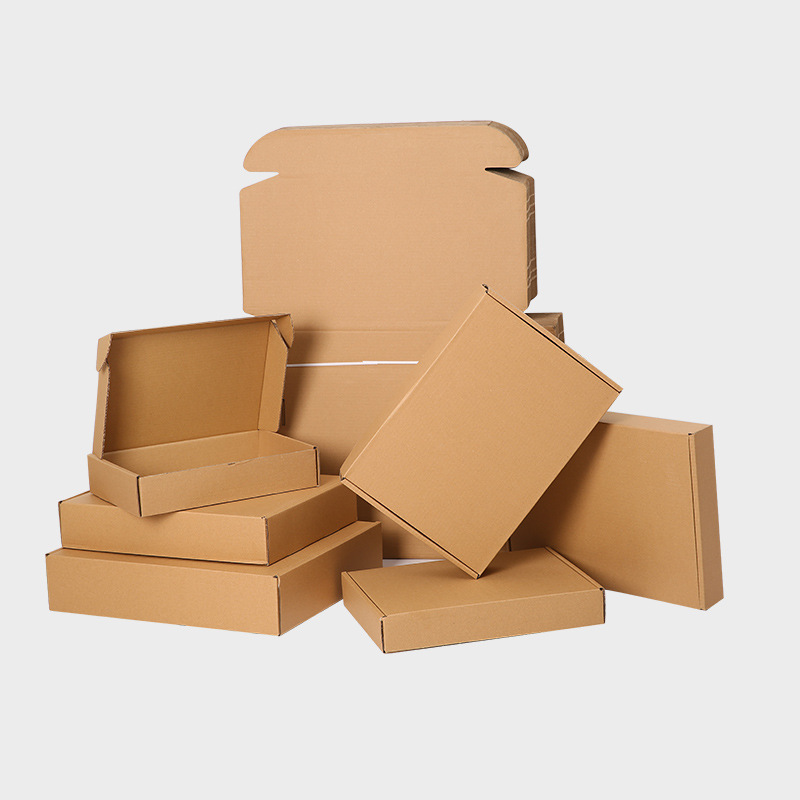
There’s something undeniably magical about turning a plain cardboard box into a soaring airplane—whether it’s a rainy afternoon project with the kids or a display piece for a die-hard collector. In this roundup, we’ve gathered ten standout airplane box ideas that go beyond the usual fold-and-tape routine. From vintage-inspired mail planes to sleek modern jets, each concept balances playability with visual charm. What makes these builds even more satisfying is starting with sturdy, precisely cut bases like those from Kuaijie Carton, which offer clean edges and reliable durability for both imaginative play and shelf-ready models. Whether you’re crafting a cardboard cockpit for a child’s bedroom or adding a unique prop to your aviation collection, these ideas will spark creativity and maybe even a little friendly competition. So grab your craft knife, clear off the table, and let’s take off.
Cardboard Cockpit Toy Storage That Beats a Plain Bin
Plain bins swallow toys into a shapeless pile where small pieces vanish and toddlers lose interest in digging. A cardboard cockpit flips that dynamic completely. The moment you cut a windshield opening and add a few dials drawn with marker, that box stops being a container and starts being a destination. Kids don't just reach in blindly—they lean through the window, flip imaginary switches, and treat cleanup like takeoff preparation.
What makes this work is how brain-dead simple the materials are. You need one sturdy cardboard box, a box cutter, some tape, and whatever art supplies are already lying around. The cockpit shape comes from leaving one side tall for the windshield while folding the front panel down to form a dashboard. A couple of paper plates glued on as steering wheels, or a strip of foil for a control panel, turns function into play without any fancy crafting skills.
Compared to a fabric bin that costs fifteen dollars and still ends up tipped over in the corner, this thing earns its floor space. The kid uses it because it looks like something they want to interact with. And when it finally gets stomped flat after three months of rough landings, you recycle it and build the next one in an afternoon. That's a storage solution with zero guilt and maximum mileage.
Vintage Metal Lunchbox Redone as a Collector's Hangar
That dented tin lunchbox you almost tossed? It's now the coolest miniature aircraft hangar on the block. With a little patience and some serious imagination, this everyday vintage relic gets a second life as a display case for diecast planes, tiny tools, and all the aviation odds and ends a collector accumulates. The metal's worn patina only adds character, making each scratch tell a story from decades of kids' lunchtimes to today's grown-up obsession.
The transformation starts by stripping away the old thermos brackets and giving the interior a fresh coat of industrial gray. Some folks add tiny LED strip lights along the rim so the planes cast dramatic shadows at night. The outside stays mostly untouched—maybe a faded superhero or a peeling cartoon logo—because that's the charm. A piece of plexiglass cut to size slides into the lid, turning it into a viewing window that keeps dust out but lets every rivet and wingtip shine.
Hang it on a wall or set it on a shelf next to your other treasures; it's guaranteed to spark conversation. Friends will lean in, spot a rare Corgi or a hand-painted 1:72 scale Spitfire, and suddenly they're asking where you found that lunchbox. You didn't just repurpose metal—you built a tiny world where childhood memories and adult collecting meet, no hangar fees required.
Stacking Wooden Crates That Turn into an Air Traffic Tower
The idea begins with a simple stack of wooden crates, but as the pile grows taller and more deliberate, it stops being a pile and starts resembling the skeletal frame of an air traffic tower. Each crate becomes a floor, each gap between slats a window, and the rough pine texture gives the structure a hand-built, almost playful feel. You can almost imagine a tiny controller sitting at the top, scanning a cardboard runway with binoculars made from bottle caps.
Building it is less about precise measurements and more about finding crates that feel right — some wide, some narrow, a few with faded stencils still visible on the sides. Stack them with the openings facing outward to create ledges and observation decks, or turn a crate on its side to suggest a stairwell spiraling up the center. The wobbliness is part of the charm; you learn to balance heavier crates at the base and let the lighter, worn-out ones sit near the top, where a real tower would have its glass cab.
What makes this work as a playful sculpture is that it never fully commits to being a realistic replica. The wood grain, the nail heads, the faint smell of old cardboard — they all keep it grounded in the world of make-believe. Children might add a toy plane on the very top crate, or a string of holiday lights woven through the gaps. Adults tend to pause and smile, recognizing the shape without needing a sign. It is an air traffic tower only if you want it to be; otherwise, it is just a very tall, very deliberate stack of wooden crates waiting for the next idea.
Hanging Fabric Pods for Stuffed Airplanes and Soft Toys
These hanging fabric pods turn an unused corner of a kid’s room into a soft landing strip for stuffed airplanes and plush animals. Instead of piling toys into a bin where wings get bent and fur gets matted, each pod gives a favorite flyer or critter its own little hammock. The fabric stretches just enough to hold odd shapes without squashing them, and the open top makes grabbing a toy mid-play surprisingly easy.
Installation takes a few minutes with basic hooks or a tension rod, and the pods can sit at whatever height your child can actually reach. Because they’re made from breathable cotton or linen blends, dust doesn’t collect the way it does inside plastic tubs. The room also feels less cluttered since the toys hover against the wall instead of taking up floor space.
A nice extra is that the pods double as a display. Kids can see their whole fleet at a glance and rotate which plane or bunny gets the top spot. When a pod gets dirty, just unhook it and toss it in the wash — the fabric holds its shape after several cycles. For small bedrooms or play corners, this is a practical way to keep soft toys off the floor without hiding them away entirely.
Foam-Cut Inserts That Keep Die-Cast Models Scratch-Free
A well-cut foam insert does more than fill a box—it locks a die-cast model into place so the painted surfaces never touch anything hard. The foam is shaped to follow the car's roofline, mirror stems, bumper edges and wheel arches, which means even a sharp turn or a drop won't let the body slide against a plastic tray or another model. That close fit is what stops the fine scratches that show up on doors and fenders after a few weeks of jostling around.
The material itself matters just as much as the cut. Closed-cell polyethylene foam, for example, has enough give to absorb impact but won't shed fibers or trap grit the way open-cell foams sometimes do. Because the inserts are cut to the exact silhouette of each vehicle, the pressure spreads evenly across the chassis instead of concentrating on a single high point like a mirror or spoiler. For collectors who rotate displays or ship models to buyers, that even support is what keeps mirror finishes looking untouched.
Over time, these inserts also simplify packing. Instead of wrapping each car in tissue or bubble film that can rub paint if tightened too much, you simply drop the model into its dedicated cavity and close the lid. The foam holds everything still, so repeated opening and closing doesn't cause the kind of micro-abrasion that eventually dulls clear coat. It's a small detail that makes a visible difference on high-gloss die-cast pieces.
Magnetic Wall Strips With Miniature Runway Markings
Magnetic wall strips with miniature runway markings bring a playful, aviation-inspired touch to any space that needs a bit of structure without sacrificing personality. Each strip is designed to hold notes, photos, or lightweight tools against metal surfaces, while the tiny dashed centerlines and threshold bars printed along the edge mimic the look of a scaled-down landing strip. The markings aren't just decorative—they give you a natural visual guide for lining up papers or creating rows of reminders, almost like organizing your own air traffic on the fridge or a magnetic board.
What makes these strips stand out is the attention to proportion and finish. The runway graphics are printed with a slight matte texture that prevents glare under kitchen lights, and the magnetic backing runs the full length rather than relying on small corner magnets. That means no sagging or sliding when you clip a heavier envelope or a small whiteboard eraser to the lower section. The edges are rounded to avoid snagging on fabric or scratching painted surfaces, and the strips can be trimmed with scissors to fit narrow filing cabinets, workshop pegboards, or the side of a metal desk.
For anyone who likes their tools to have a bit of narrative, these strips turn a plain magnetic holder into a conversation piece. Guests might ask why your grocery list sits at the end of a tiny runway, and that's exactly the point: ordinary organization becomes a small moment of design. You can line up several strips to create a continuous taxiway across a larger surface, or stagger them vertically for a control-tower feel. The markings are subtle enough to work in a home office but detailed enough to be noticed up close.
FAQ
把普通小纸盒涂成蓝色,画上白色云朵和螺旋桨,里面放飞机形状的糖果和小贴纸。用麻绳绑上一个小木夹当“登机牌”。这样成本低而且孩子会喜欢。
用深色木质相框盒,背面贴软木板,用透明钓鱼线把模型悬挂在不同高度,底部铺一层灰色毛毡模拟停机坪。加上暖光LED,远看像博物馆展品。
避免用带锋利金属边或易碎玻璃盖的盒子,孩子经常开合容易划伤。选圆角塑料或布艺箱,盖子轻且能完全取下,方便他们自己收拾。
可以把一个中等大小的纸箱改造成“飞机库”,侧面剪出拱形门,内部贴上跑道贴纸。孩子玩的时候把玩具飞机开进去,玩完直接盖上盖子就收好了。
找一只素色金属盒,用喷漆做旧,贴上他最喜欢的航空公司复古标志贴纸。盒内用泡沫切割出机身轮廓,让模型飞机稳固放置,再附上一张手写飞行日志卡。
户外用的话,塑料工具箱比木头好,防潮又耐摔。选带提手和锁扣的,底部钻几个排水孔,以免下雨积水。颜色选亮黄或橙色,在院子里容易找到。
去旧货店买个便宜的画框,拆掉玻璃,用硬纸板做隔层,喷上银灰色漆。把飞机模型用热熔胶固定在隔层上,背面写上机型和年份,总成本不到15美元。
Conclusion
Finding the right home for a growing airplane collection takes more than stacking bins in a corner. The best airplane box ideas turn storage into part of the playroom or display shelf. A cardboard cockpit toy storage, for instance, gives kids a place to climb in, stash toy planes, and keep the floor clearer than any plain bin could. It adds a sense of adventure that a standard container simply lacks. For those who love retro style, a vintage metal lunchbox redone as a collector's hangar offers compact, latching protection while showing off old-school graphics. Stacking wooden crates that double as an air traffic tower make vertical storage feel like building a set, not doing chores. And hanging fabric pods work especially well for stuffed airplanes and soft toys, using ceiling or wall space that would otherwise go wasted.
On the die-cast side, the focus shifts to protection and display. Foam-cut inserts keep models scratch-free, with each plane resting in its own shaped slot instead of rattling around. Magnetic wall strips with miniature runway markings turn a blank wall into a mini airport, letting kids and collectors arrange planes in a way that feels active. These ideas blend function with the visual appeal of a real aircraft collection. Whether you are sorting plush toys, vintage lunchboxes, or precise metal models, the point is to choose storage that respects the planes themselves. The top ten list draws from all these directions, mixing playful, accessible builds with more refined collector solutions. In the end, a thoughtful airplane box or display system does more than hold objects—it keeps the love of aviation visible and within reach every day.
Contact Us
Contact Person: Tan Xiang
Email: [email protected]
Tel/WhatsApp: 8613798906863
Website: https://www.dgkjzx.com