

Top 10 Graphic LCD Displays: Ultimate Guide to Choosing the Best for Your Projects
2026-04-15
Embarking on a new project that involves graphic LCD displays can be both exciting and overwhelming, given the wide array of options available. At Jingda-Display, we understand the importance of selecting the right display to bring your vision to life—whether it's for an industrial application, a custom gadget, or an innovative prototype. This guide is crafted to simplify your decision-making process, highlighting the top 10 graphic LCD displays that excel in performance, durability, and versatility. We'll dive into key factors like resolution, size, and interface options, helping you find the perfect match without the guesswork. Get ready to explore features and insights that will not only spark your creativity but also ensure your project stands out from the crowd.
Essential Factors to Consider When Selecting a Graphics LCD
When you're in the market for a graphics LCD, the display resolution stands out as a fundamental consideration. Higher resolutions deliver sharper images and finer details, which is especially crucial for applications like medical imaging or industrial design simulations where precision is key. However, it's not just about maxing out pixels—balancing resolution with screen size and viewing distance can optimize performance and cost, ensuring you get a clear picture without unnecessary expense.
Another vital aspect is the contrast ratio, which defines how well the display distinguishes between dark and light areas. A high contrast ratio enhances readability and visual depth, making graphics pop in varied lighting conditions, from dim control rooms to bright outdoor kiosks. Don't overlook viewing angles, though; wider angles ensure consistent color and brightness from different perspectives, essential for collaborative environments or public displays where multiple viewers are involved.
Lastly, the interface compatibility and power consumption should align with your system's requirements. Whether it's a simple parallel interface or a modern HDMI connection, choosing the right one boosts integration ease and performance. Meanwhile, lower power consumption not only cuts energy costs but also extends device lifespan, supporting sustainable and efficient operations in long-term installations.
Comparing Different Types of Graphics LCD Technologies
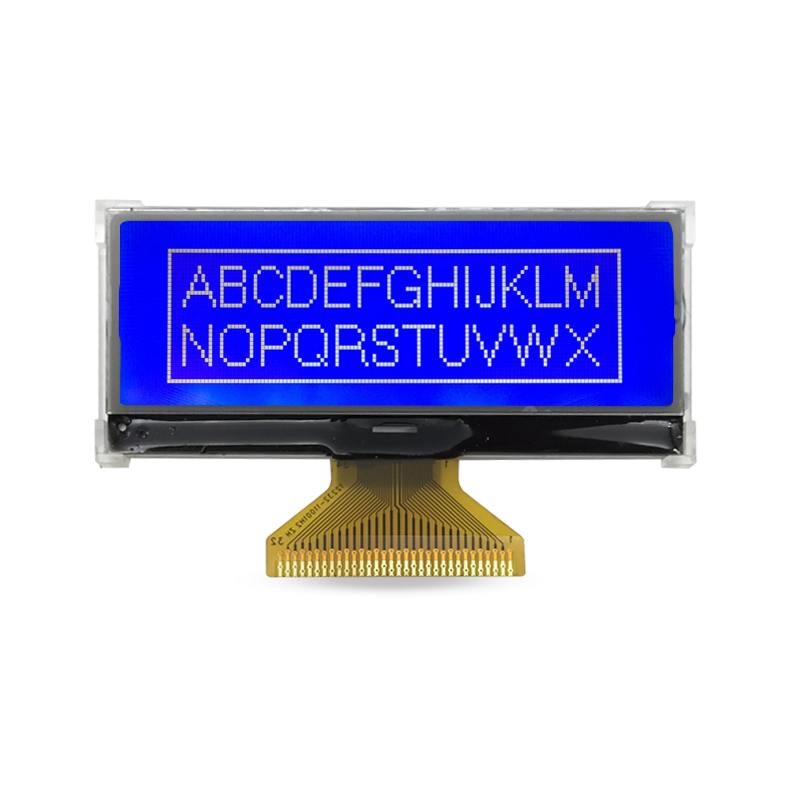
When diving into the world of graphics LCDs, it's fascinating to see how various technologies have evolved to meet different needs, from basic monochrome displays to vibrant color panels. For instance, TFT (Thin-Film Transistor) LCDs are widely praised for their fast response times and high contrast, making them a go-to for applications like smartphones and monitors where sharp visuals are crucial. In contrast, STN (Super Twisted Nematic) LCDs, while offering lower costs and better power efficiency, often fall short in refresh rates and color depth, which might limit their use in dynamic graphics or video-heavy interfaces.
Another key player is OLED (Organic Light-Emitting Diode) technology, which stands out by eliminating the backlight found in traditional LCDs, allowing for deeper blacks and more flexible form factors. This makes OLED screens particularly appealing in devices like smartwatches or high-end TVs, where slim designs and vivid imagery are top priorities. Meanwhile, IPS (In-Plane Switching) LCDs have carved their niche with superior viewing angles and accurate color reproduction, often favored in professional settings like photo editing or medical displays where consistency from different vantage points is essential.
To put it into perspective, choosing the right graphics LCD technology isn't just about specs on paper—it's a balance of factors like cost, power consumption, and intended application. For example, a budget-friendly project might lean towards a passive-matrix LCD for its simplicity, while a cutting-edge gaming device could benefit from the rapid refresh of a TFT or the immersive quality of an OLED. By weighing these differences, designers can tailor their selections to create more engaging and effective user experiences across various industries.
Key Features That Set Quality Graphics LCDs Apart
Premium graphics LCDs distinguish themselves with high-resolution displays that render crisp images and vibrant colors, utilizing advanced pixel technology to enhance detail visibility even in complex visual scenes. These screens often feature superior contrast ratios, ensuring deeper blacks and brighter whites for a more immersive viewing experience. Unlike standard models, quality LCDs incorporate robust anti-glare coatings that minimize reflections, making them ideal for both indoor and outdoor use where ambient light can be a challenge.
Another standout aspect is their extended color gamut coverage, which allows for more accurate and lifelike hues, crucial in professional fields like graphic design or gaming where color fidelity matters. Many high-end graphics LCDs also boast faster refresh rates and lower response times, reducing motion blur and delivering smoother animations, which is particularly beneficial for fast-paced video content and interactive applications. This combination of visual clarity and performance sets them apart as versatile tools for demanding users.
In addition, these displays often come with features like wide viewing angles and uniform backlighting, ensuring consistent image quality from various perspectives without color shifting or hotspots. Some models integrate smart technologies such as HDR support or custom calibration options, enabling users to fine-tune settings for optimal results based on specific needs. By focusing on these nuanced attributes, quality graphics LCDs not only meet but exceed expectations, providing a tailored visual experience that stands out in a crowded market of generic screens.
Matching Graphics LCDs to Specific Project Requirements
Choosing the right graphics LCD isn't just about specs on a paper—it's about fitting your project like a glove. For instance, if you're designing a wearable fitness tracker, you'll want a small, low-power display that's readable in sunlight, not a large, high-resolution screen suitable for a digital sign. By diving deep into the actual demands of your application, you can avoid overpaying for features you don't need while ensuring critical aspects like viewing angles or refresh rates are spot-on.
Beyond the basics, consider the real-world conditions your device will face. A rugged outdoor kiosk demands an LCD that can handle temperature swings and moisture, whereas a medical monitor might prioritize color accuracy and fast response times. It's these nuances that can make or break a project's success, leading to either a seamless user experience or frustrating limitations in the field.
Lastly, think about future-proofing and integration ease. Selecting a display with flexible interfaces or driver support can save headaches during development and allow for easier upgrades down the line. In essence, matching graphics LCDs to specific requirements is about crafting a tailored solution that aligns perfectly with your project's goals, not just ticking boxes off a generic checklist.
Practical Tips for Integrating Graphics LCDs into Your Designs
Integrating Graphics LCDs into your designs might seem like a straightforward task, but skipping a few key steps can lead to problems down the line. Start by double-checking the pinout and voltage requirements of your chosen display—getting these wrong is a common mistake that can fry the screen or the controller. Consider using a breakout board or interface module to simplify connections, especially if you're new to hardware. Test the display's communication protocol (like SPI or I²C) with a simple "Hello, World!" example to ensure everything is talking correctly before moving on to more advanced features.
When designing your user interface, keep visibility and performance in mind. Graphics LCDs vary in resolution, color depth, and refresh rates, so optimize your graphics assets accordingly. For instance, reduce color palettes for monochrome displays to save memory and speed up rendering. Avoid large, complex images that might cause lag or flicker. Instead, use simple shapes, icons, and text with clear contrast. This approach not only improves user experience but also helps your design look clean and professional.
Lastly, integrate the LCD with your overall system early in the design process. Plan power management to prevent noise or interference, and allocate enough processing power and memory for display tasks. Test under different conditions, such as varying temperatures or light levels, to ensure reliability. By following these practical steps, you can smoothly incorporate graphics LCDs into your projects, avoiding common pitfalls and creating designs that stand out.
Evaluating Long-Term Performance and Maintenance Needs
Picture this: you've just implemented a new system or strategy, and the initial results are sparkling. But the real test isn't the first month—it's how it holds up over the years. That's where long-term performance evaluation steps in, acting as a reality check for sustainability. It goes beyond surface-level metrics, diving into how efficiency, reliability, and user satisfaction evolve as time ticks by. Whether it's a piece of infrastructure, software, or a business process, tracking this journey helps you spot trends, foresee challenges, and make informed decisions that keep things running smoothly, not just today, but for the long haul.
Maintenance needs often get sidelined as "boring" or costly, but they're the unsung heroes of longevity. Think of it like maintaining a classic car: without regular tune-ups and part replacements, even the finest machine will sputter out. In a practical sense, this means assessing what resources—be it time, money, or expertise—are required to prevent breakdowns and adapt to changes. Proactive maintenance strategies, such as scheduled updates or predictive analytics, can cut down on surprises and extend the lifecycle of your investments, ensuring they don't just survive but thrive through shifting demands and technologies.
What sets a standout approach apart is weaving these two threads together into a cohesive plan. Instead of treating performance and maintenance as separate chores, integrate them into a continuous feedback loop. For instance, use performance data to fine-tune maintenance schedules, or let maintenance insights highlight areas for performance enhancement. This dynamic interplay not only boosts resilience but also turns potential weaknesses into strengths over time. In essence, it's about building a culture of foresight, where ongoing evaluation becomes the backbone of enduring success.
FAQ
Choosing a graphic LCD display involves evaluating resolution, viewing angles, backlight type, power consumption, and compatibility with your microcontroller or interface to ensure optimal performance and ease of integration.
Graphic LCDs typically have a longer lifespan due to their passive matrix technology, which reduces burn-in risks, while OLEDs offer better contrast but may degrade faster under continuous use in high-brightness applications.
Yes, many top-rated graphic LCDs come with pre-made libraries and hardware adapters, simplifying wiring and code setup for platforms such as Arduino or Raspberry Pi, making them beginner-friendly for electronics projects.
Common issues include adjusting brightness and contrast settings, managing color gamut limitations, and dealing with environmental factors like ambient light, which can require trial-and-error tuning or specialized calibration tools.
Touchscreen functionality enhances interactivity by allowing intuitive gestures like swiping or tapping, but it may add cost, increase power consumption, and require additional software handling for responsive and reliable operation.
Some models prioritize energy-saving features like LED backlights and low-power sleep modes, and manufacturers may use recyclable materials, though availability varies, so checking specifications for environmental certifications is advisable.
To prolong lifespan, avoid exposure to extreme temperatures, clean the screen gently with a soft cloth, minimize static discharge during handling, and ensure proper power supply to prevent voltage spikes that could damage the components.
Outdoor visibility depends on high brightness levels, anti-glare coatings, and reflective technology in some models, but direct sunlight can still wash out images, so positioning and ambient light management are key for clarity.
Conclusion
Selecting the top graphic LCD display for your project hinges on careful evaluation of essential factors, such as resolution, contrast ratio, and viewing angles, to ensure optimal performance. By comparing different technologies like TFT, OLED, and STN, you can identify the best fit for specific needs, balancing cost, power consumption, and visual clarity. Key features that distinguish quality displays include durability, touch capabilities, and wide temperature ranges, which enhance reliability in diverse environments. Matching the display to project requirements, from industrial automation to consumer electronics, involves assessing size, interface compatibility, and environmental conditions to avoid common pitfalls.
Practical integration tips, such as optimizing driver circuits and ensuring proper mounting, streamline the design process and reduce development time. Evaluating long-term performance and maintenance needs, like backlight lifespan and resistance to moisture, helps prevent future failures and ensures sustained functionality. This comprehensive approach not only aids in selecting from a top-10 list but also empowers users to make informed decisions that boost project success, fostering innovation and efficiency across various applications. Embrace this guide to navigate the complexities of graphic LCD choices with confidence.
Contact Us
Contact Person: Vincent
Email: [email protected]
Tel/WhatsApp: 86 135 5485 1379
Website: https://www.jda-display.com/