

Top Global Import and Export Data Providers for Accurate Trade Insights
2026-06-11
Navigating international trade without reliable data is like sailing blind. Whether you're a seasoned importer or an emerging exporter, accurate trade insights can make or break your strategy. While there are many platforms out there, few consistently deliver the depth and precision needed to stay ahead. In this post, we’ll explore the top global import and export data providers that truly deliver—and yes, Tendata is one that keeps turning heads. Let’s dive into what sets the best apart and how you can turn data into your competitive edge.
Trade Data Providers That Redefine Market Clarity
Many trade data platforms overwhelm users with endless streams of numbers, but the ones that truly make a difference focus on clarity. They strip away the unnecessary noise and present only the signals that matter, turning complex global supply chains into straightforward dashboards. It’s not about having more data—it’s about having the right type, delivered in a way that makes immediate sense.
These providers invest heavily in data normalization and verification, catching discrepancies before they reach your screen. Instead of leaving you to cross-reference multiple sources, they serve up unified, trustworthy records that fit your workflow. This means less time cleaning up messy spreadsheets and more time spotting real opportunities or risks hidden in the numbers.
What sets them apart is an intuitive design that doesn’t require a training manual. You log in, and the patterns jump out—trade lanes, supplier shifts, price anomalies. They’ve moved beyond basic table exports to offer interactive visuals and custom alerts, so insights aren’t just available but actively pushed to you when it matters. Clarity here isn’t a feature; it’s the whole philosophy.
Real-Time Global Shipment Tracking and Analytics
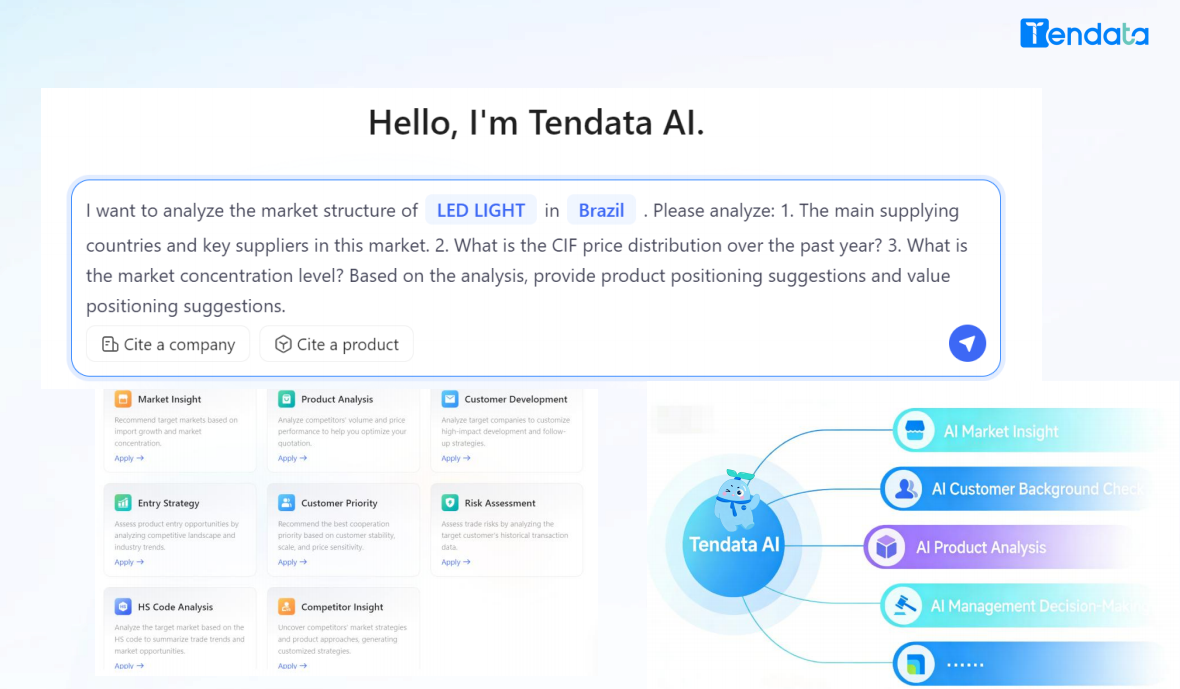
Knowing exactly where your shipments are at any given moment has become more than a convenience—it’s an operational imperative. Our platform stitches together carrier data from across the globe into a single, always-on dashboard. You’re not just refreshing a page and hoping for updates; the system feeds live coordinates, customs clearance status, and even local weather disruptions directly into your view. It feels less like traditional tracking and more like having a logistics command center at your fingertips, letting you spot a delay the moment it starts brewing instead of hours later.
The analytics layer turns raw tracking feeds into patterns you can act on. Instead of drowning in spreadsheets, you get clean insights: which lanes consistently underperform, how port strikes in one region are rippling through your supply chain, and where you’re repeatedly paying for expedited shipping you might not need. It’s the kind of intelligence that lets a warehouse manager shift staffing based on actual arrival windows, or a procurement lead choose a slightly longer route that’s statistically twice as reliable. The goal is to stop fighting fires and start fine-tuning your entire delivery network.
What really sets this apart is how naturally the technology fits into daily workflows. Alerts come through the channels your team already uses, and the data isn’t locked behind complex menus. You might get a notification that a shipment heading to a key customer has been unloaded two hours early, triggering an automated SMS to the recipient. Meanwhile, a weekly digest shows your carbon footprint per carrier and suggests consolidation opportunities that both reduce costs and emissions. It’s the blend of immediacy and long-term clarity that transforms shipping from a background cost into a competitive edge.
Uncovering Hidden Supply Chain Opportunities
Uncovering hidden supply chain opportunities often means looking beyond the obvious economic indicators and diving into the subtle signals that major disruptions leave in their wake. Rather than chasing the latest trend, seasoned analysts focus on mapping out secondary and tertiary supplier relationships, where single points of failure frequently hide in plain sight. These overlooked connections can reveal everything from capacity bottlenecks in specific regions to emerging material shortages that haven’t yet hit the mainstream news cycle, giving businesses a crucial head start.
Another rich vein of untapped potential lies in cross-industry parallels—patterns that repeat across sectors but get ignored because everyone stays locked in their own silo. For instance, the tiered inventory strategies that stabilized pharmaceutical supply lines during volatile periods can be adapted to automotive or electronics procurement with minimal tweaking. By deliberately studying these analogs, companies can borrow proven contingency frameworks instead of reinventing the wheel every time a new challenge appears.
Localized intelligence networks also surface opportunities that centralized systems miss. Engaging directly with plant managers, freight coordinators, and regional distributors on the ground often yields real-time insights about transportation chokepoints or labor availability before they escalate into full-blown crises. These informal channels—when systematically nurtured—become an early-warning system that no dashboard algorithm can replicate, allowing firms to reroute resources or secure alternative inputs while competitors are still reacting to the same old data feeds.
Industry-Specific Trade Intelligence Platforms
Generic trade intelligence tools often drown users in a sea of global shipment records without context. Industry-specific platforms cut through the noise by aligning data taxonomies, compliance filters, and supplier networks with the nuances of a single vertical. For a textile buyer, this means tracking cotton blends instead of generic fabrics, or monitoring dye chemical imports that signal upcoming production shifts.
In the agricultural sector, platforms tuned to perishable goods track cold chain milestones, phytosanitary certificate validity, and seasonal port congestion patterns that generic systems ignore. An electronics manufacturer, on the other hand, relies on component-level tracking—from semiconductor wafer shipments to PCB assembly bottlenecks—to anticipate shortages weeks before they hit open markets.
The real strategic edge comes from how these platforms connect trade data to sector-specific downstream indicators. A medical device company doesn't just watch raw material imports; it correlates them with FDA submission timelines and hospital purchasing trends. Such layered intelligence turns supply chain monitoring from a reactive cost into a source of market foresight.
Customizable Data Feeds for Strategic Planning
Relying on generic data streams often means wading through irrelevant noise just to find a few useful signals. When every planning cycle demands precise, context-specific inputs, the ability to tailor data feeds becomes a tactical advantage. Customizable data feeds let teams define exactly which metrics, markets, and indicators matter most—ensuring the information driving strategic decisions is always aligned with current priorities.
The real power emerges when feeds adapt alongside your strategy. Whether it’s tracking emerging competitors in real time, monitoring regulatory shifts across geographies, or pulling in internal performance data from disparate systems, the configuration can shift as quickly as your focus does. This fluidity means planners spend less time hunting for data and more time interpreting it, turning raw numbers into actionable narratives.
Implementation doesn’t have to be complex. Modern platforms often support direct API connections, letting teams build feeds that integrate seamlessly with existing planning tools and dashboards. Without rigid templates, the data feels less like a mass-produced report and more like a carefully assembled brief—crafted around the questions you’re actually trying to answer, not the ones someone else thought you’d ask.
From Raw Customs Filings to Actionable Dashboards
Customs data often arrives as messy, unstructured filings—pages of commodity codes, values, and origin details that seem dense and impenetrable. Without a clear process to wrangle this raw information, it’s easy for critical trade insights to slip through the cracks. The challenge isn’t just in accessing the data; it’s in transforming scattered records into a coherent narrative that guides real-time decisions.
By applying systematic cleaning, enrichment, and classification techniques, those initial data dumps gain clarity. Harmonizing inconsistent product descriptions, standardizing currency values, and mapping HS codes to industry categories turns noise into a reliable foundation. It’s a meticulous behind‑the‑scenes effort—where each cleaned record builds toward a view that accurately mirrors cross‑border trade flows.
The final leap comes when this curated dataset feeds into dynamic dashboards. Instead of staring at raw tables, users interact with trend graphs, geo‑maps, and drill‑down summaries that highlight anomalies and opportunities instantly. What began as a pile of filings becomes a living tool, alerting teams to shifts in supply‑chain patterns or emerging market pockets—all without needing to be data experts themselves.
FAQ
A solid provider typically offers broad country coverage, frequent updates, and the ability to drill down into specific product codes or companies. Look for customization options like filtered reports or API access that let you pull exactly what you need without sifting through irrelevant noise.
Precise trade data helps you spot emerging markets, monitor competitor shipments, and find reliable suppliers or buyers. It turns guesswork into informed decisions, whether you're planning to enter a new region or optimize your supply chain costs.
Some providers deliver near-real-time data, though actual latency depends on customs release schedules and the country. If you need up-to-the-minute insights, look for those emphasizing high-frequency refreshes or direct feeds from customs authorities.
Most operate on a subscription basis, often with tiered plans based on data depth, number of users, or query limits. Pay-as-you-go options exist too, especially for API access, allowing you to scale costs with actual usage.
Request sample datasets and compare them against known shipments or official trade statistics. Check client testimonials and case studies for real-world validation, and consider a trial period to test how well the data aligns with your internal records.
Leading players usually cover major economies like the United States, China, and the European Union extensively. Coverage in emerging markets varies, so it's smart to confirm that the provider's databases include countries critical to your supply chain or customer base.
Conclusion
Global trade is no longer a guessing game—modern import and export data providers deliver precision by transforming raw customs filings into live dashboards that reflect actual cargo movements. Rather than relying on outdated reports, businesses now tap into platforms offering real-time shipment tracking paired with analytics that surface deviations the moment they occur. This shift redefines market clarity: instead of swimming in spreadsheets, users see shipments on interactive maps, examine supplier performance, and benchmark against industry volumes without days of manual reconciliation. The most effective providers go beyond visibility, letting companies detect patterns in trade lanes, tariff shifts, and port congestion long before competitors notice.
Behind the dashboards, customizable data feeds enable supply chain teams to layer HS codes, regions, and consignee profiles directly into internal planning tools. Industry-specific platforms take this further by isolating niche metrics—whether for refrigerated pharma logistics or automotive just-in-time networks—exposing hidden opportunities that generic data mists. A footwear buyer, for instance, can uncover alternate Asian factories shipping faster while avoiding tariff spikes, or map underutilized lanes from emerging Southeast Asian ports. These trade intelligence systems don’t stop at monitoring; they actively shape strategic decisions by connecting shipment history with predictive indicators, turning what was once a backward-looking exercise into a forward-looking discipline built on accurate, transaction-level data.
Contact Us
Contact Person: Grace
Email: [email protected]
Tel/WhatsApp: +86 18721992033
Website: https://www.tendata.com