

Tube Cutter Manufacturer Explains How to Choose the Right Tool for Every Job
2026-11-19
Not all tube cutters are built for the same fight. Copper, stainless, plastic conduit, cramped corners, thick walls—each job punishes the wrong tool in its own way. That’s the reality HONGSEN works with every day as a tube cutter manufacturer, and it’s why choosing a cutter should start well before the blade touches the material. Below, we get into the practical checks for material, wall thickness, access, and finish quality, so the tool you grab is the one that actually fits the cut.
Let the Pipe Material Lead the Decision
Most piping decisions get made backwards. A team settles on a familiar material because it has always been specified, then spends the rest of the design trying to make the chemistry, pressure, and temperature fit that choice. Letting the pipe material lead flips that habit. Start with what the line actually carries, how often it cycles, and what happens if the wall thins or cracks. The material should emerge from those conditions, not from a default spec.
That shift sounds small but it changes the questions you ask. Instead of asking whether carbon steel can survive, you ask what the fluid wants. Chlorides push you toward duplex or nonmetallic options. High-temperature thermal cycling makes expansion joints and creep resistance matter more than initial cost. Abrasive slurries care about hardness and wall thickness. When the material leads, the supports, welding procedures, and inspection plans follow naturally because they are built around a realistic set of limits.
There is also a money argument, but not the usual one. A cheaper pipe that fails early or demands constant liner repairs is not cheap. Letting the material lead usually means comparing life-cycle cost with eyes open: replacement downtime, access for maintenance, and the risk of a small leak becoming a shutdown. The material is not the last box to tick. It is the first decision that makes the rest of the design honest.
Wall Thickness Is the Real Test
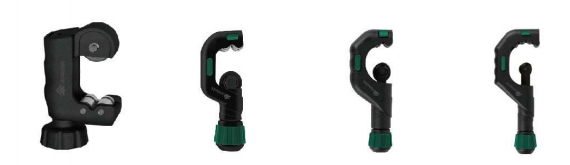
A container can look flawless in product shots and still feel wrong in your hand. The giveaway is almost always wall thickness. Squeeze the body lightly and you'll feel a slight give where the metal is thinnest. That flex is not just a tactile annoyance; it predicts early dents, faster heat transfer, and a lid that outlasts the shell by years.
Thicker walls change the entire character of a container. The weight sits lower, the surface doesn't ring like a soda can, and the temperature stays more stable through the hottest or coldest part of the day. What matters is not a single number printed on the box, but whether that thickness runs evenly through the sidewall rather than collecting around the rim to fool your fingers.
Copper, Stainless, and PEX Each Need Their Own Approach
Copper has its own rhythm. You measure, cut with a tubing cutter, ream the burr, clean both surfaces, flux, then heat the fitting until solder wicks around the joint. Skip the reaming or rush the heat and a pinhole leak shows up months later. It rewards patience more than strength.
Stainless fights back in a different way. Thin-wall stainless is hard enough to chew through standard blades, and it work-hardens if you let the tool chatter. A dedicated stainless cutter or fine-tooth blade, steady pressure, and a deburring pass keep the edges from turning sharp. Press fittings often make more sense than trying to thread or weld it on a residential job.
PEX doesn't care about any of that. The pipe flexes, so the layout changes from rigid runs to long sweeps with fewer hidden joints. The real choice is expansion versus crimp. Expansion needs the tool and the right rings, but it gives a more forgiving connection in tight spaces. Crimp is cheaper to get into and still fine when you can see every joint clearly.
A Dull Cutting Wheel Wastes More Than Time
A dull cutting wheel doesn't just slow down a cut. It shifts the tool from slicing to rubbing, and that friction pours heat into the workpiece. On mild steel you might see discoloration; on stainless it can wreck the surface finish or pull the temper out of an edge. The seconds you lose per cut are easy to notice, but the part you have to rework later is the real cost.
There's also a physical toll that shows up before the shift ends. A sharp wheel lets the tool do the work. A dull one asks your arms, shoulders, and back to supply the missing bite. That extra pressure makes the wheel grab, skate, or kick back more often. Once fatigue sets in, a routine cut can turn into a close call. Swapping in a fresh wheel costs a minute; recovering from an injury or a damaged workpiece costs far more.
The wear doesn't stop at the wheel. Running a dull disc longer than you should puts extra load on the spindle bearings and the motor, heat-soaks the guard, and invites unplanned downtime. A small pile of used wheels is just the visible expense. The hidden expense is the strain throughout the tool and the schedule that slips because one station kept fighting a wheel that should have been changed an hour earlier.
Match the Tool to the Space You're Working In
Pulling out a bulky floor sander for a narrow hallway can turn a quick touch-up into a frustrating wrestling match. The same logic applies to drills, saws, and even simple hand tools; what works beautifully in a wide-open garage often becomes useless in a tight closet or a stair landing. Before you pick up anything, take a moment to measure the clearance around your work area and think about how much room you actually have to move. A compact right-angle attachment might be the only way to drive a screw behind a toilet, while a full-size circular saw could be overkill for trimming a single shelf bracket.
Cordless tools have made this kind of matching much easier, but battery size still matters. A large high-capacity pack adds weight and can prevent the tool from fitting between joists or inside a cabinet. Swap in a slim battery when the job calls for overhead work or reaching into a corner. Also pay attention to the direction of debris and the tool's exhaust port; a saw that sprays dust into a finished closet is a poor choice even if it cuts quickly. Sometimes the smaller, slower tool saves time simply because you are not cleaning up for an hour afterward.
Think about the material and the finish as well. A heavy hammer might drive nails fast in framing, but it can leave dents in trim or baseboards. A small tack hammer or a nail set gives you control without the collateral damage. The goal is not to own the most powerful version of every tool; it is to choose the one that feels natural in the space you have. When the tool matches the room, the work goes faster, looks cleaner, and leaves you less tired at the end of the day.
If You're Forcing It, It's the Wrong Cutter
A cutter that suits the material will settle into the work with steady pressure and a clean sound. If you catch yourself leaning into the handle or fighting the feed, stop before the edge heats up. That resistance is not a challenge to overcome—it's feedback. The tooth geometry, coating, or even the shank style is probably mismatched for the stock you're holding.
Forcing a dull or incorrect cutter rarely ends with a better finish. It tends to leave chatter marks, pull chips back into the flute, and put lateral load on the spindle. When the cut feels heavier than it should, swap to a cutter designed for that specific material or operation. A lighter pass with the right edge will move faster than a hard pass with the wrong one.
The best operators develop a feel for when the tool is doing the work. If you're pushing hard enough to flex the workholding or smell hot metal, the tool is telling you something. Back off, inspect the edge, and choose a cutter that matches the hardness, chip clearance, and speed of the job. The right tool rarely needs an argument.
FAQ
Start with the tube's outer diameter, wall thickness, and hardness. A cutter sized for thin copper can struggle on stainless or titanium, so match the wheel and jaw capacity to the material rather than assuming one tool works across the board.
It usually comes down to wheel sharpness, alignment, and feed pressure. A dull wheel deforms the tube before it cuts, and a loose slide lets the wheel wander. Keeping the cutting wheel clean and advancing it gradually makes a bigger difference than force.
Harder metals need a cutter with a tougher wheel profile and a stiffer frame. Softer materials like copper or aluminum cut fine with a standard wheel, but stainless steel and work-hardened alloys often demand a dedicated wheel and slower feed to avoid cracking or work hardening.
Yes. Screw-feed models give more control for thin-wall or delicate tube. Ratchet cutters are faster and better in tight spaces, but they can be too aggressive on thin walls if you force the stroke. Choose based on access and wall thickness rather than speed alone.
Watch for increased burr formation, wobble at the start of the cut, or the need to tighten the feed more than usual. If the wheel skids instead of biting, it has lost its edge. Replacing it early prevents oval tube ends and extra reaming later.
A single adjustable cutter can cover a modest size range, but the wheel geometry and jaw depth matter. If jobs span thin capillary tube up to larger refrigeration lines, two or three purpose-matched cutters will give cleaner results than forcing one tool to its limits.
Some cutters include a reamer or deburring blade, which helps when the cut end must slide into a fitting. If the job requires many cuts in hard material, an integrated deburrer saves enough time to justify the added cost. Otherwise a separate reamer works fine.
Overtightening the feed, cutting without lubricant on hard metals, and side-loading the cutter are the main ones. The wheel should score and slice, not crush. Let the tool do the work and keep the pin and rollers clean so the wheel tracks straight.
Conclusion
When choosing a tube cutter, the pipe itself usually tells you more than the spec sheet does. Copper wants a clean, sharp wheel and light, steady pressure from the start; stainless has a harder temperament and needs a cutter that won't dull halfway through the job. Wall thickness changes the feel more than most people expect, so a cutter that sails through thin-wall tube can leave a rough, pinched edge on heavier material without much warning. Copper, stainless, and PEX each carry their own quirks under the cutting wheel, and the fastest way to ruin a job is to treat them as the same task.
A dull wheel creates problems beyond a slower cut. It smears, burrs, and can oval the pipe before the cut even finishes, so swapping it out early is cheaper than fixing the damage later. The work area makes the next call. If you're inside a cabinet or between studs, the tool needs enough swing room to complete the full rotation without binding. And if you're leaning into the handle to make progress, that's not effort—it's a mismatch. The right cutter should track and bite with even pressure. When the tool and the pipe start arguing, switch before one of them loses.
Contact Us
Contact Person: KOPASS HO
Email: [email protected]
Tel/WhatsApp: 8613606566112
Website: https://www.hongsenref.com/